
In the Azores, find happy cows and volcanic soils
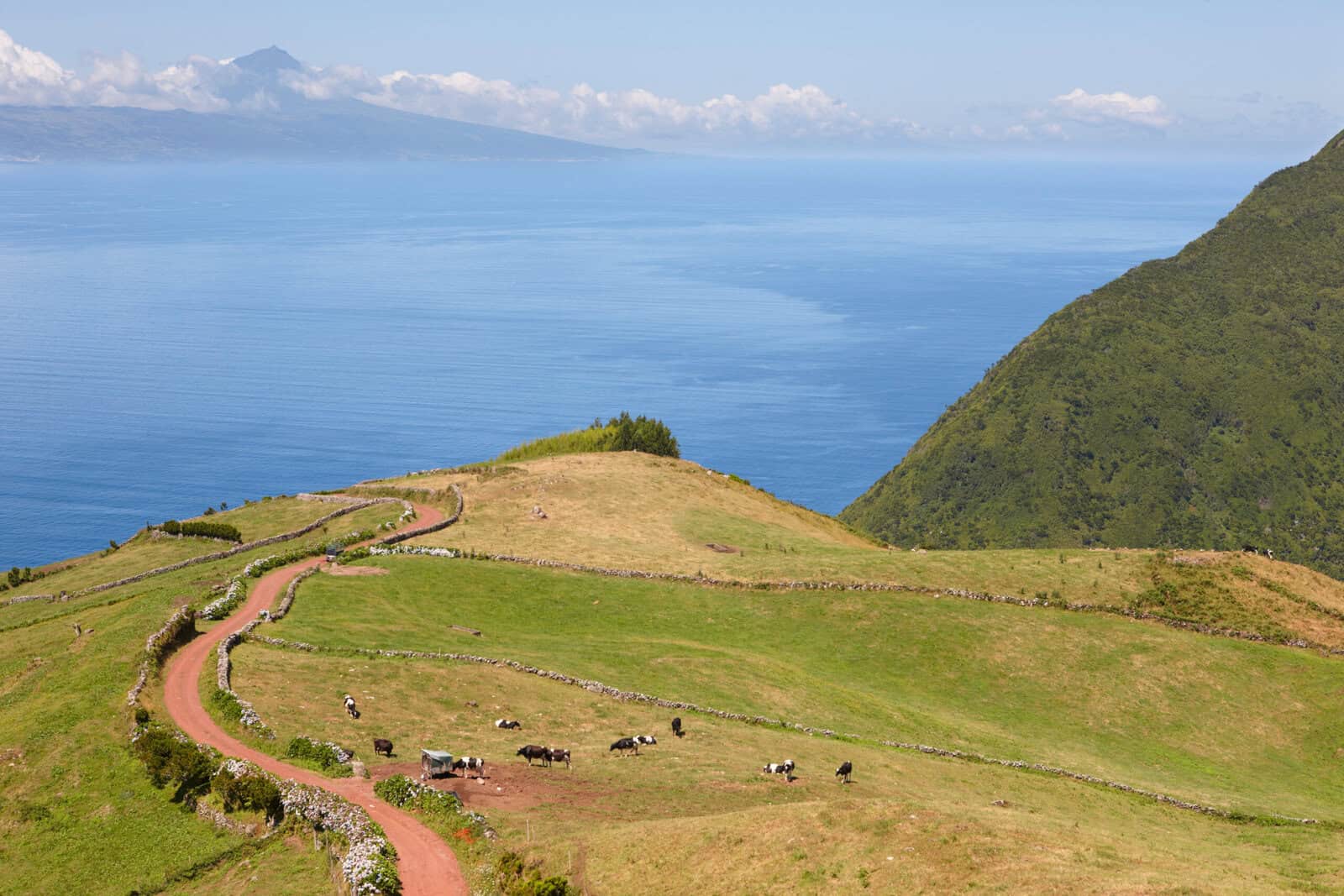
Nine windswept volcanic islands sit precariously where the Eurasian, African, and American plates meet. As these plates slowly moved apart over time, rifts formed, creating the volcanoes that shaped each of the islands. This is the Azores, a Portuguese archipelago that—while representing less than 3 percent of Portugal’s landmass—yields approximately 30 percent of the country’s total milk and over half of the country’s cheese. The Azores experiences over 170 days of rain per year, and because of the Gulf Stream and polar cold streams, this subtropical climate is an ideal environment for growing grasses in fertile volcanic soils. These grasses contribute to high-quality milk—rich in omega-3 and omega-6 fatty acids—primarily produced by mostly Holstein Friesian cows, though a small group of dairy farmers have also incorporated other breeds, including Brown Swiss and Jersey.
Cheesemaking on the islands dates to the original settlements during the fifteenth century. About 2,000 Flemings arrived in the Azores around 1490, when Prince Henry the Navigator asked for help populating the islands. These settlers, particularly on the central group of islands—São Jorge, Terceira, Pico, Faial, and further east to Flores—are why the islands are referred to as the “Flemish Islands.”
My ancestors began arriving on São Miguel Island in the mid-1400s and remained until 1906, when two of my great-grandparents emigrated to America. When I think about them, and the rest of my family on these ancestral islands, it’s likely they sampled the same cheesemaking culture that has survived—even thrived—for over 500 years.
My own relationship with the Azores began in 2018, when I first visited for a writing retreat. I’ve been back a half-dozen times since, and through those visits I’ve witnessed firsthand the balance of centuries-old traditions and innovation in all aspects of the culture—from cuisine to art. From my experiences teaching at the local university and publishing my writing to hiking the islands and reconnecting with the branch of my family who never left, I’ve come to understand that Azorean culture tells a story much larger than its geographic footprint.
Happy Cows Come From the Azores

The secret to exceptional Azorean cheese lies in the islands’ unique terroir—well, that, and their cows do seem genuinely happy. Why wouldn’t they be? They roam free over verdant hills of volcanic, mineral-rich soil that produces year-round grazing pastures cooled by Atlantic breezes and seasoned with salty air—a combination found nowhere else in Europe.
“Those are some of the only pastures in Europe where cows can graze outside all year long,” explains Michael Benevides of Portugalia Marketplace in Fall River, Massachusetts, one afternoon as we sampled cheese in his upstairs office. Born on São Miguel, he grew up in Fall River alongside a substantial Azorean population. Benevides has spent years sourcing cheeses from his homeland for his family’s specialty market.
Unlike mainland Portugal’s focus on sheep’s and goat’s milk cheeses, the Azores almost exclusively produce cow’s milk cheese. The result is a range of flavors from tangy and piquant to creamy and buttery, many earning coveted Protected Designation of Origin (PDO) status.
São Jorge: The Island of Cheese
Any discussion of Azorean cheese must begin on São Jorge, often called “The Island of Cheese.” Here, Queijo São Jorge represents the pinnacle of traditional Portuguese cheesemaking. This semi-hard, raw cow’s milk PDO cheese has been produced for over half a millennium using methods passed down from generation to generation. Because Queijo São Jorge is made with leftover whey from previous batches, unique native cultures provide subtle flavor differences from wheel to wheel, along with the grasses and herbs the cows graze on.
The cheese also tastes more complex as it ages: at three months, the São Jorge Topo is mild, tangy, and known as “the crowd pleaser.” By seven months, São Jorge cheeses develop an intense, piquant bite and crumbly texture. The 12-month version is studded with tyrosine crystals with a sharp finish, while the exceptional 24-month produces what Benevides notes as “very crumbly with a long, sharp finish and lots of crystals.”
I was particularly struck by the 40-month—paradoxically milder than younger versions, it maintains the characteristic sharpness and crumbly texture that defines great São Jorge cheese. The special 30-month edition, released to celebrate the Confraria do Queijo São Jorge’s three decades of certification work, exemplifies how tradition and quality control have preserved this cheese’s integrity.
Different producers on São Jorge create distinct expressions within the PDO framework. The Cooperativa Agrícola de Lacticínios dos Lourais, founded in 1943, produces Queijo Lourais, which is matured for a minimum of two months and is characterized by a strong aroma and clean, slightly spicy flavor. “This is the cheese I would eat when I came home from school,” Benevides recalls. Some tasters feel these cheeses carry a “cloying tartness,” with hints of sulfur or ash due to their terroir.
The New Generation: Artisanal Innovation
While São Jorge maintains a traditional approach to cheesemaking, other islands feature young entrepreneurs reimagining their craft. On São Miguel, Paula Cristina Rego transformed her family’s dairy operation in 2015 when, as a 17-year-old, she created Queijo do Vale from milk left over from shipments to the mainland.
When you cut into Queijo do Vale, you’ll notice a mildly pungent aroma and, while the dominant flavors are buttery and lactic, there is an intriguing, subtly sour note on the finish. This comes from soaking the formed and pressed cheese wheels in mineral-rich, volcanic “sour water” collected each morning from hot springs near the Queijaria Furnense facility. Rego collaborated with the Institute of Technological Innovation of the Azores to identify the optimal caldera mineral water for brining, which gives her cheeses a high iron content. Over the past 10 years, Rego has created five flavors of this cheese, including oregano, garlic, and lemon thyme.
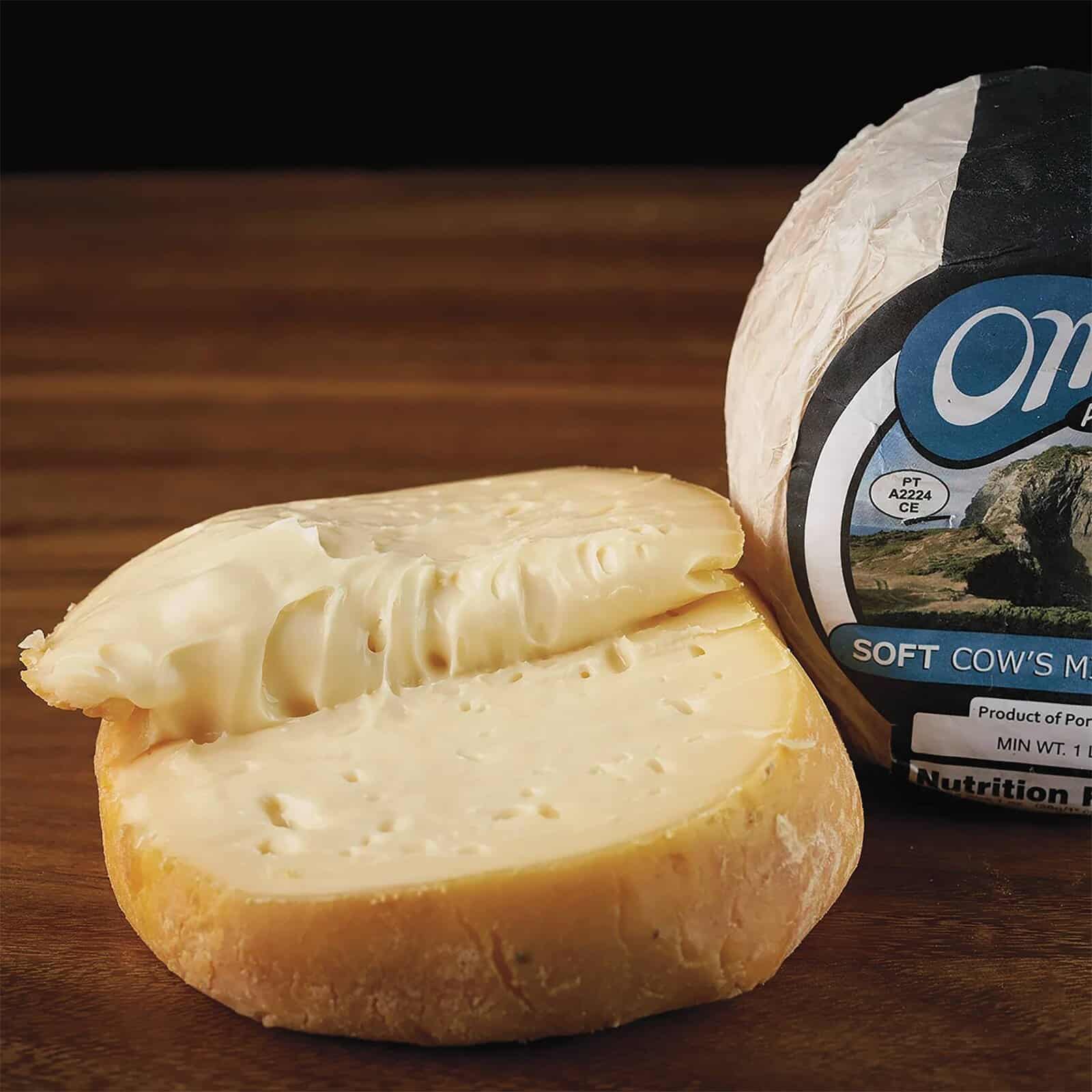
On Faial Island, Nuno Caldeira’s Omorro Amanteigado is also breaking the mold. Produced since 2012 near the Morro de Castelo Branco nature reserve, this soft cow’s milk torta-style cheese earned Bronze at the prestigious World Cheese Awards in 2024—the first year they entered. Michele Buster of Forever Cheese began importing Omorro to the United States after discovering it during a trip to Faial and recognizing its exceptional quality. “You can slice it, or peel off the top and dip into the center,” Buster explains. The cheese also comes in flavored varieties incorporating hot peppers, garlic, and herbs—innovations that respect traditional techniques while embracing contemporary tastes.
Each island contributes unique expressions to the Azorean cheese landscape. For example, Terceira’s Queijo Vaquinha, owned by João Henrique Melo Cota, offers tours where visitors can experience their unique cheese with its distinctive salt rind and small-holed interior. Cota hopes to pass his family-owned cheese operation on to his children, Zita and Sérgio. Engaging the next generation is crucial for the future for Azorean cheese, which faces the challenges common to any rural pursuit.
Even Santa Maria, historically one of the few islands without cheese production, now operates Queijaria Ilha Santa Maria, producing both cow’s and sheep’s milk cheeses—a rarity in the predominantly cow-focused archipelago.
A Taste of “Home”
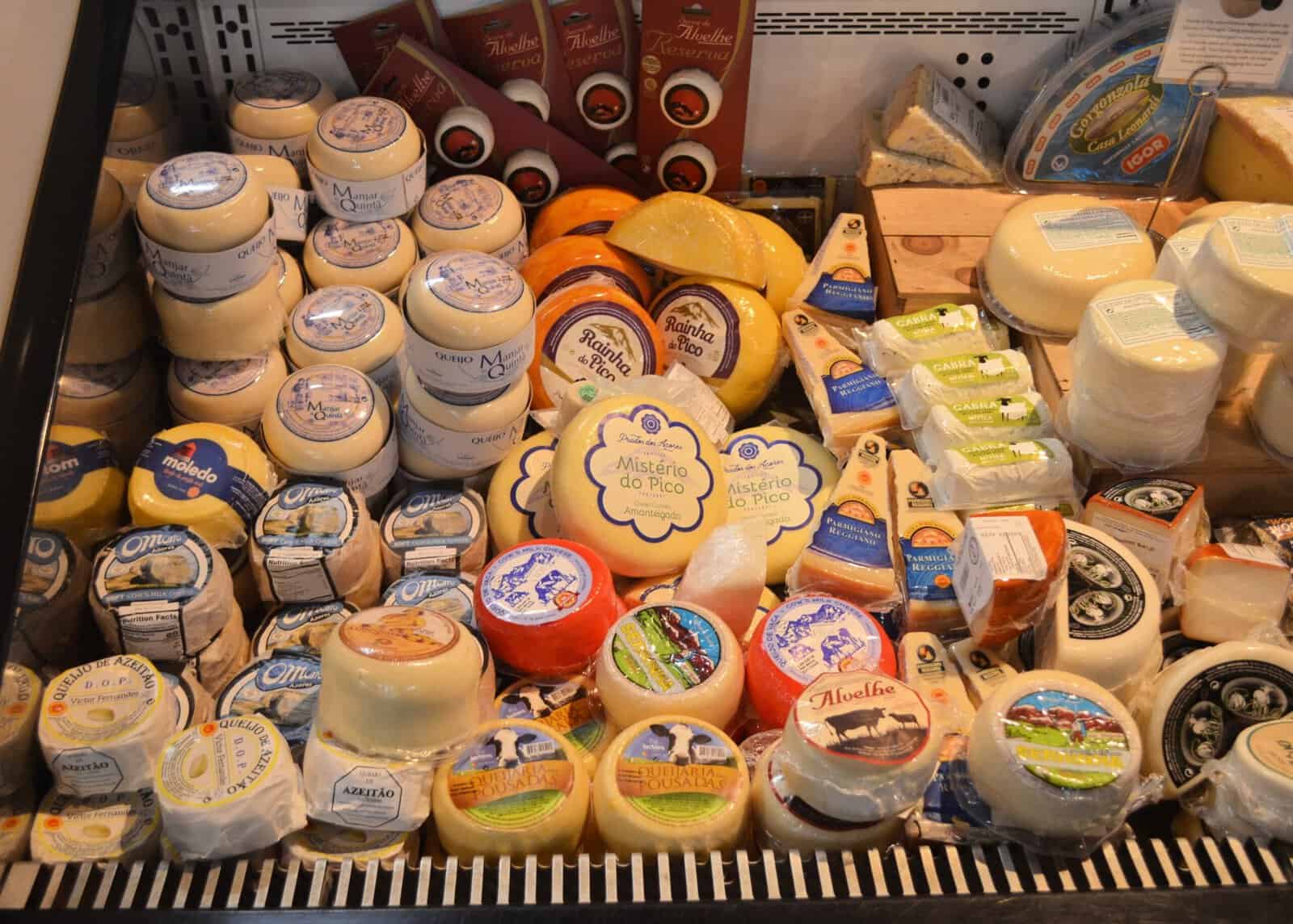
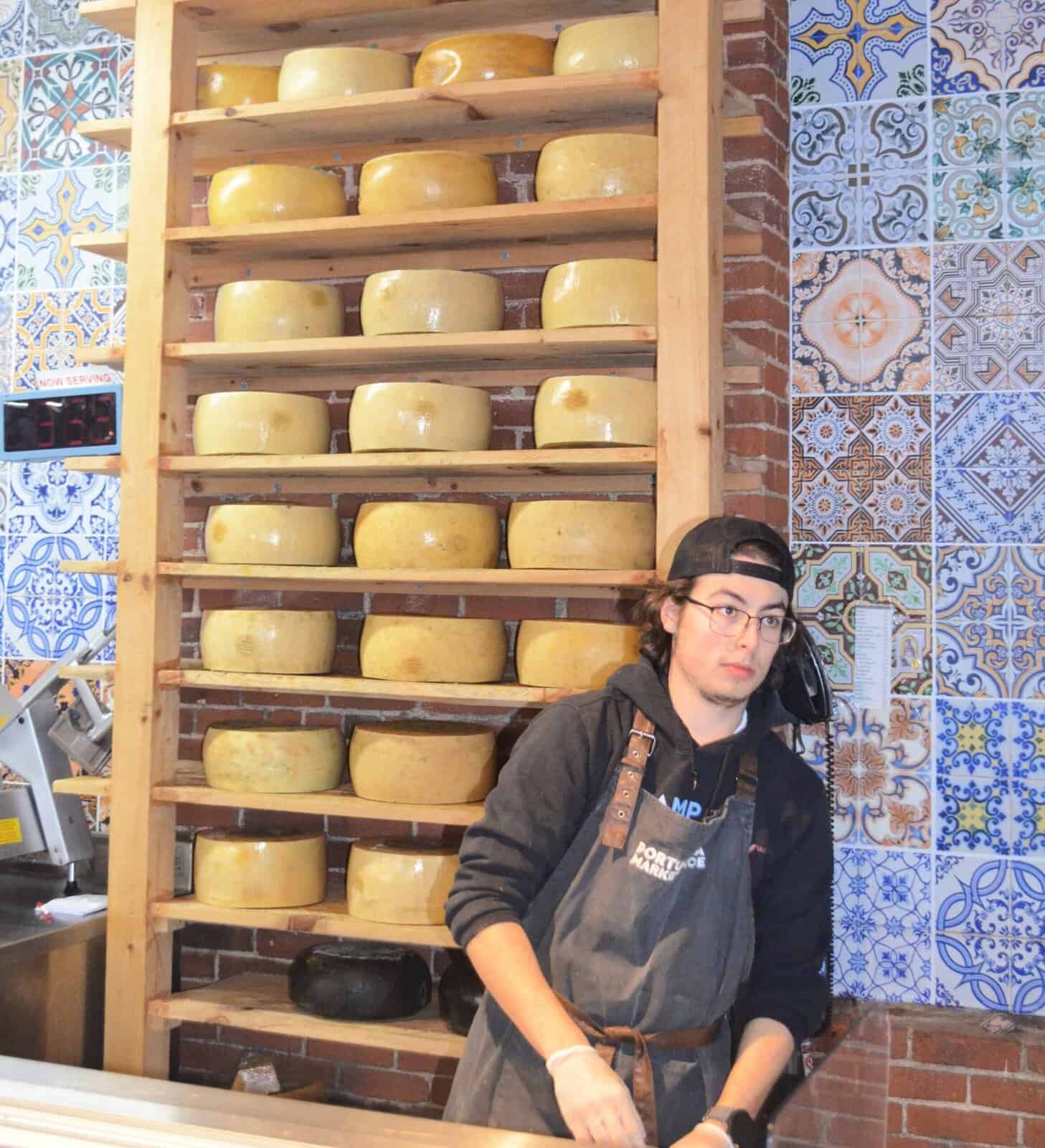
There are cheeses from other islands to sample as well, including two buttery rounds from Pico Island—Rainha do Pico and Mistério do Pico—and Moledo from Faial. I even hear there is a unique, small-production cheese on Graciosa, which I vow to try on my next visit.
For Americans, these cheeses are becoming increasingly accessible through specialty importers like Portugalia Marketplace, Forever Cheese, and online retailers such as ShopPortuguese.com. After you’ve tried them stateside, I encourage you to make the trip to the Azores—an easy five-hour flight from Boston—to taste them on their home turf. If you do, you’ll experience something no import can fully capture: the complete story of how geology, environment, tradition, and innovation converge to create something truly extraordinary.

Scott Edward Anderson
Scott Edward Anderson is an award-winning poet, essayist, and translator. He is the author of Wine-Dark Sea: New & Selected Poems & Translations; Azorean Suite/Suite Açoriana; the Nautilus Book Award–winning Dwelling: An Ecopoem; and two nonfiction books, including Falling Up: A Memoir of Second Chances, which received the Letras Lavadas / P.E.N. Açores Award. Anderson’s journalistic writing has appeared in Berkshire Magazine, Terrain, Lucid News, GreenBiz, and the Philadelphia Inquirer. He divides his time between the Berkshires and São Miguel Island in the Azores.