
This interview is part of culture’s 2026 Hot List. Click here to learn more about our selection process and to see the latest Hot List class.
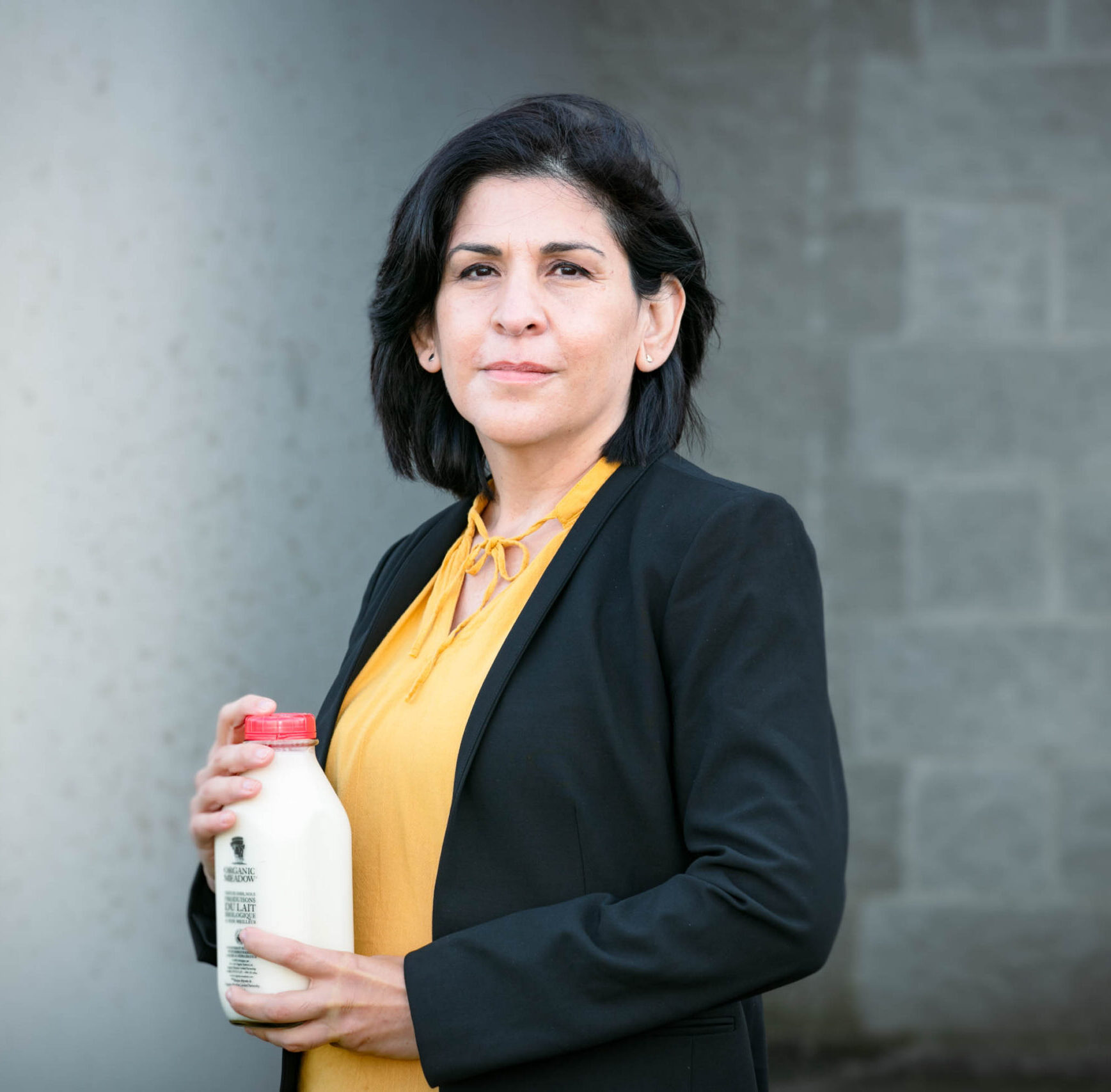
Dr. Mary Ann Ferrer, ACS CCP
Dairy Programs Manager, University of Guelph Department of Food Science
Ontario, Canada
Dr. Mary Ann Ferrer’s work operates at an intersection of science and education that connects dairy industry professionals with research data, technical resources, and hands-on training, helping to translate complex science into real-world application.
Born and raised in Venezuela, Dr. Ferrer came to Ontario to pursue doctoral studies, but she found her way to cheese while studying milk proteins and dairy systems. Today, she leads the Cheesemaker Certificate, supporting the next generation of cheesemakers and industry professionals.
As an active leader in the global cheese community, Ferrer has contributed to competitions, publications, and technical initiatives across the Americas, with a focus on collaboration, knowledge-sharing, and advancing both the science and craft of cheesemaking.
What was it about dairy science that made you dedicate your work to the industry?
What drew me to dairy science was its incredible complexity and versatility. I was amazed to learn how something as familiar as milk is made up of intricate structures, components, and microorganisms—and how all of these transform into such a wide array of products, including hundreds of types of cheese, all from one “simple” food. Also, what’s not to love about studying your favorite food?
Are there any common misconceptions in the food science world about cheese?
One of the biggest misconceptions is that science and craftsmanship sit on opposite sides. As a scientist, I learn so much from my students—and I like to think they learn from me, too.
There is also a lot of stigma around both the scientists who communicate the risks of raw-milk cheeses and the cheesemakers who are producing safe raw-milk cheeses. We need to come together more often and have those conversations at the same table.
What is the most fascinating part of the cheesemaking process to you?
Ripening, of course. It’s fascinating how basic milk components, which start out relatively mild, are transformed into hundreds of different compounds that create a complex sensory experience—one that we still don’t fully understand, even after decades of research.
Is there anything academia could learn from the cheese world, or vice versa?
Many of the questions scientists try to answer actually begin in the cheesemaker’s hands. Why did this batch turn bitter? Why didn’t the culture work this time? Why do results change with ultrafiltered milk? These are the kinds of questions that drive research into milk proteins, microbial changes, and bacteriophages.
Cheesemakers can learn from academia how to be more methodical and better understand the science behind their work. And academia can learn just as much from cheesemakers—about craftsmanship, patience, and how land, history, and culture shape the way cheese is made.
What can American cheesemakers learn from Canadian cheesemakers?
Valuing and embracing multiculturalism is key, along with preserving traditional techniques that have been passed down for centuries.
There is also a deep respect for every step of the process—from caring for the land and the herd to milking, cheesemaking, and packaging. When all of those steps are done with the same level of care and passion, the result is something truly unique.
You’ve worked to encourage collaboration across the cheese industry. What do you hope to see happen?
I want to see more collaboration among cheesemakers—sharing experiences, expertise, and ideas. I also want to see stronger connections across countries in the Americas, with more knowledge exchange and trade. We need to see each other not as competitors, but as partners. Organizations like the American Cheese Society are moving in the right direction, but there is still so much to do.
You helped Canadian cheesemakers participate in American Cheese Society competitions. What did that experience mean to you?
I realized that Canadian cheesemakers face real challenges when it comes to shipping across the border, which limits participation. With my experience in importing and exporting, I saw an opportunity to help connect the dots. With support from my workplace and a network of volunteers and sponsors, we created a system that made participation possible.
Now, when Canadian cheesemakers win medals—even Best of Show—it feels like they’ve run a full race and invited us to join them at the finish line. They often thank us, but I’m the one who is grateful for their trust and for getting to be part of that moment.
What excites you about the future of food science as it relates to cheese?
I’m very excited about advances like shotgun metagenomics and metatranscriptomics, which will help us better understand the complex microbial changes that happen during cheese ripening. These tools could help cheesemakers achieve more consistent results or even recreate specific sensory profiles using pasteurized milk instead of raw milk.
There’s also exciting work being done on shelf-stable, high-percentage cheese snacks. There’s a lot of innovation happening right now.
What’s a quintessential Canadian or Venezuelan cheese pairing you could eat forever?
From Venezuela, I would say cachapas con queso de mano—corn pancakes with a large portion of fresh pasta filata cheese; or palmita con plátano, a fresh, squeaky cheese with sweet plantains. Both are simple, humble, sweet and salty, and incredibly delicious. They can be a full meal or part of a larger spread.

culture: the word on cheese
Culture is America's first and best magazine devoted to the love of cheese. Explore our website for stunning photos, cheesemaker profiles, recipes, wine, beer, and a community of readers always willing to help and chat.