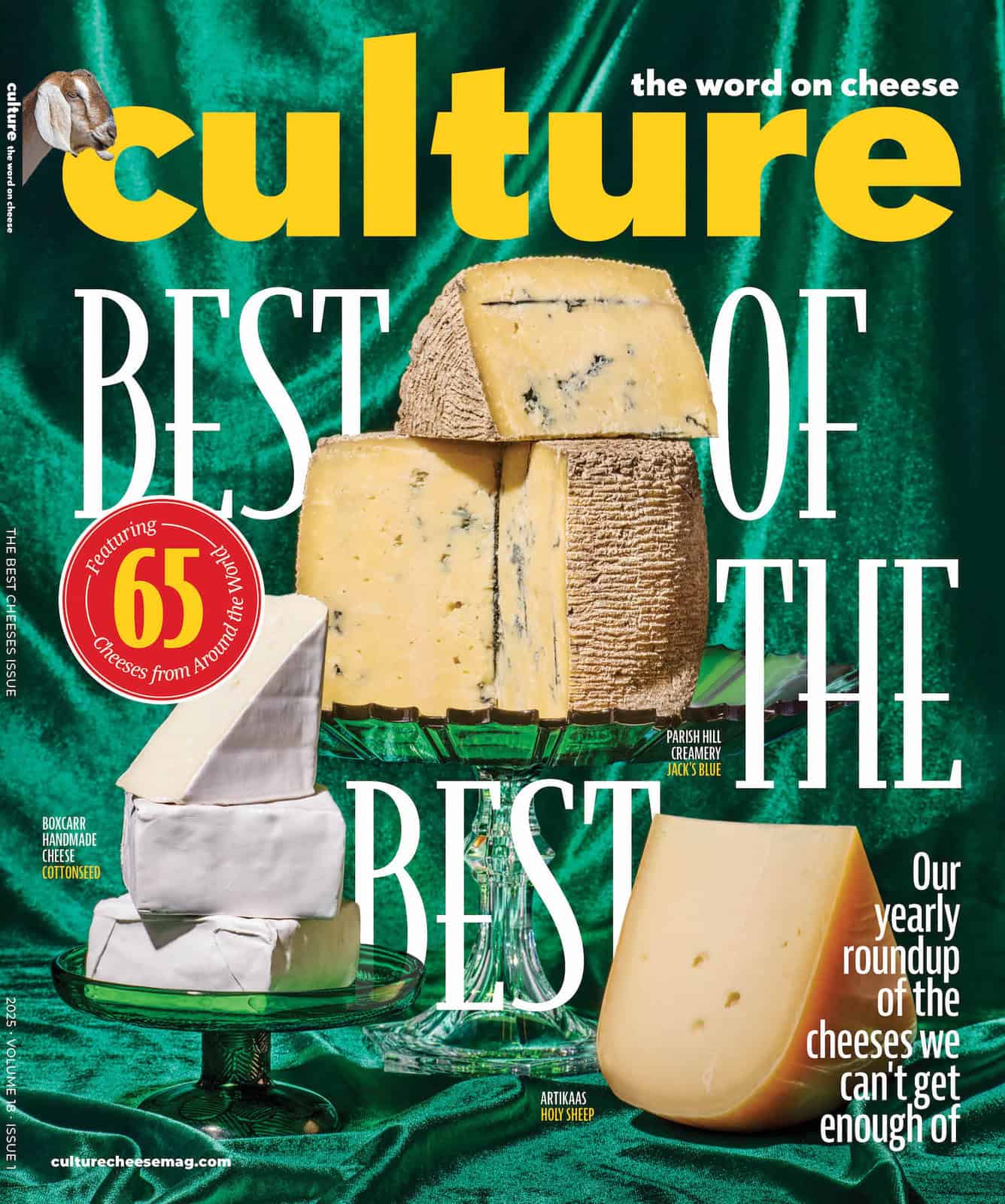

Three cheese pros share their tips and tricks, just in time for holiday hosting.
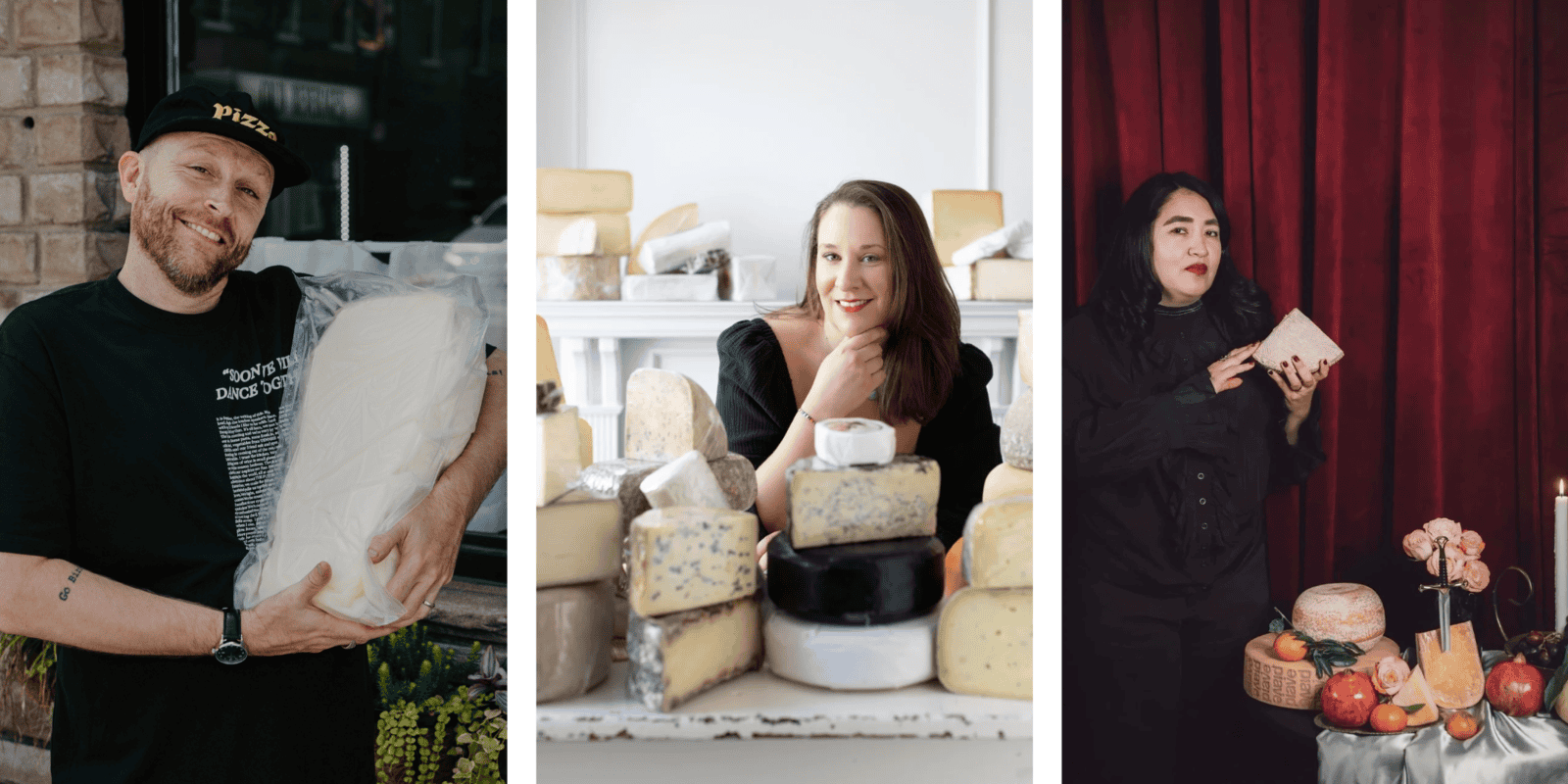
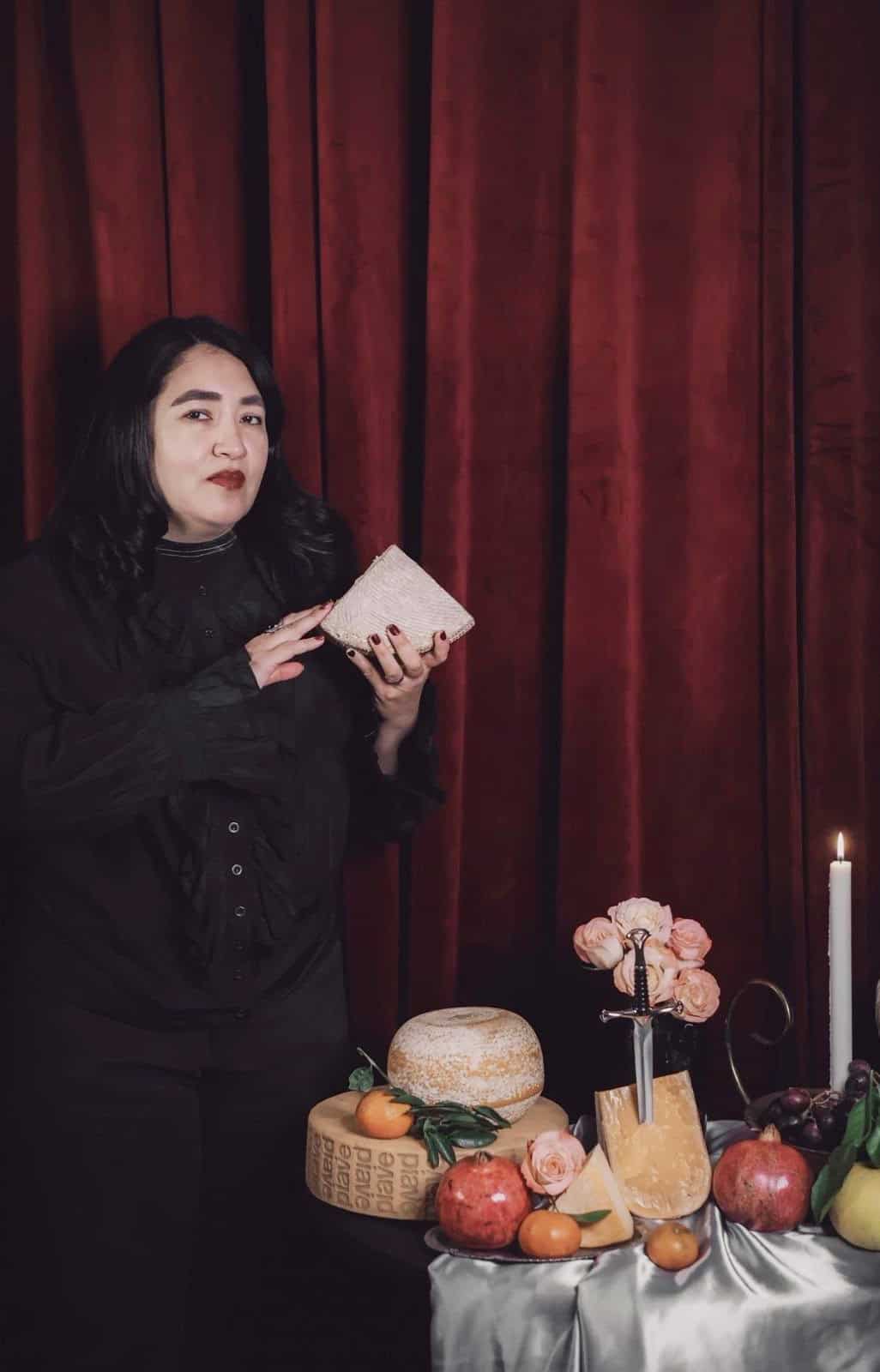
ANDREA MACHUCA-KIRKLAND
The Culinary Underground, Los Angeles
You have a lot of experience hosting events. What are your best tips?
Plan out a month in advance—even two months in advance. Always reach for seasonal ingredients that are abundant at the farmers’ market, then plan your menu from there. And build community. Make guests feel like they’re home and welcome. Once they feel welcome and they love what’s being offered on a plate, they will continually come back. I have loyal guests that will come to my events and ask, “When’s your next one?”
Hospitality means being inviting and unpretentious to get people to eat more cheese. Never turn people down. I have dealt with difficult customers, but there are times when I’ve gotten somebody who was grouchy—who was not at first into the cheese—and I turned that grouchy look into a smile. Always try to be inviting, even in unlikely circumstances.
What are your favorite tactics for easing people into their first blue cheese?
A great entryway cheese would be Rogue River Blue, especially around the holidays. You could ask them, “Do you like whiskey? Do you like brown butter? Vanilla sugar cookies?” Usually, they say, “Yes, I like these things.” Then offer a spoonful. If they like those notes, then they’ve got to like the cheese because that’s what it tastes like.
Also, always start with an unctuous blue. Cambozola—I’ve gotten a lot of transformations from that. Then people move on to Saint Agur. If they really like Saint Agur, they can move on to a Stilton.
What are your favorite centerpiece cheeses for when you have company?
OG Goat—it’s a delicate goat gouda, but it has notes of butterscotch. It reminds me of Mexican cajeta, which is cooked caramel. But it can go either way. I can take some sweet and hot pickled peppers, a thin-sliced butter crostini, and shave the OG Goat on. For a sweet pairing, add some strawberry fennel jam. It’s versatile.
Also, I pair Blakesville’s Linedeline with homemade Aleppo pumpkin butter. I’ll take some Kabocha Japanese pumpkins, which are very fleshy, and once I cook them down, they get buttery. Then I add brown sugar, different spices, and Aleppo peppers and let it go low and slow for about an hour. It becomes so velvety.
Plus, I love mimolette with curried pistachios. You get the sweet notes from the cheese and then savory from pistachios.
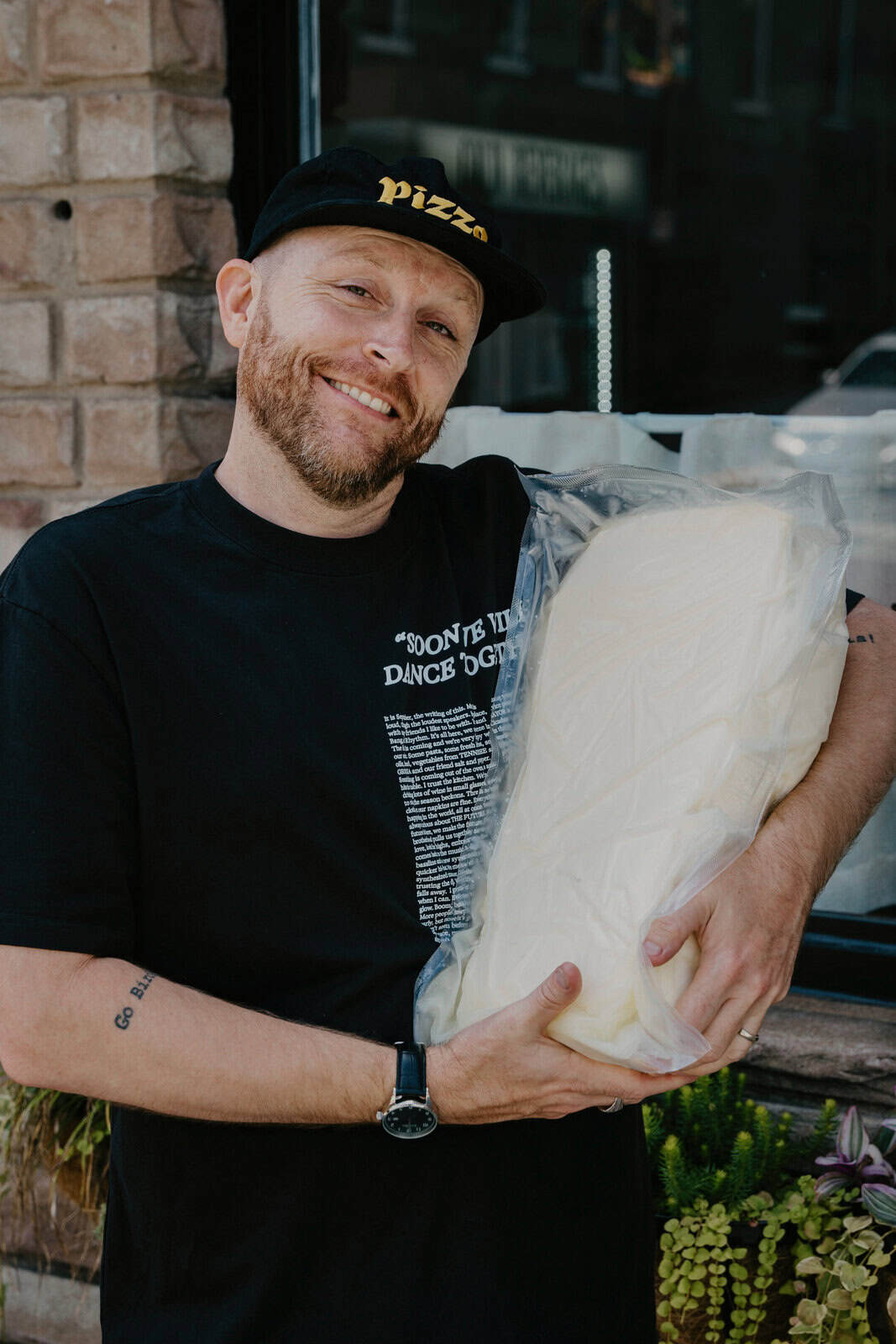
BILL REED
Pedestrian Wine & Cheese, Chattanooga, Tennessee
What does hospitality mean to you?
Hospitality means creating a welcoming experience where someone is seen. If you can nail that in some way during the time that you have to connect with them, they feel comfortable, they feel safe, and everything else will fall into place.
The ethos of the shop is to be hospitable first and then see how much customers want to learn. In a small wine and cheese shop, if you’re not the most hospitable place around, then it’s going to be easy to forget about you.
Hospitality is how you make [customers] feel.
You not only sell wine and cheese at the shop—you’re making cheese there, too. Tell me why and how it’s going?
We are the first shop [in Tennessee] that sells liquor, wine, and beer to have an agriculture license and kitchen. In the kitchen, we take local whole milk and we make fresh cheeses like ricotta, mozzarella, stracciatella, and burrata. I learned how at a butcher in Brooklyn, so I show people how to make the cheese, and then I’ll give them all the ingredients to go home and do it themselves.
A lot of our events are focused on cheesemaking. We do farmers’ markets once a month, and we sell out of mozzarella and ricotta within three hours. We also have a cheese club and one of the cheeses folks get is a fresh cheese that we make in-house.
The cheesemaking aspect is an extra that makes our shop a little different than most. We had to get certain licenses approved. The approvers were just scratching their head. Why would any liquor store want to make cheese? But if I’m at the farmers’ market and I’m not allowed to bring wine, I can bring cheese and then talk to people about wine after. It’s the connective thread of how we can do more than just sit still and hope people come into the shop.
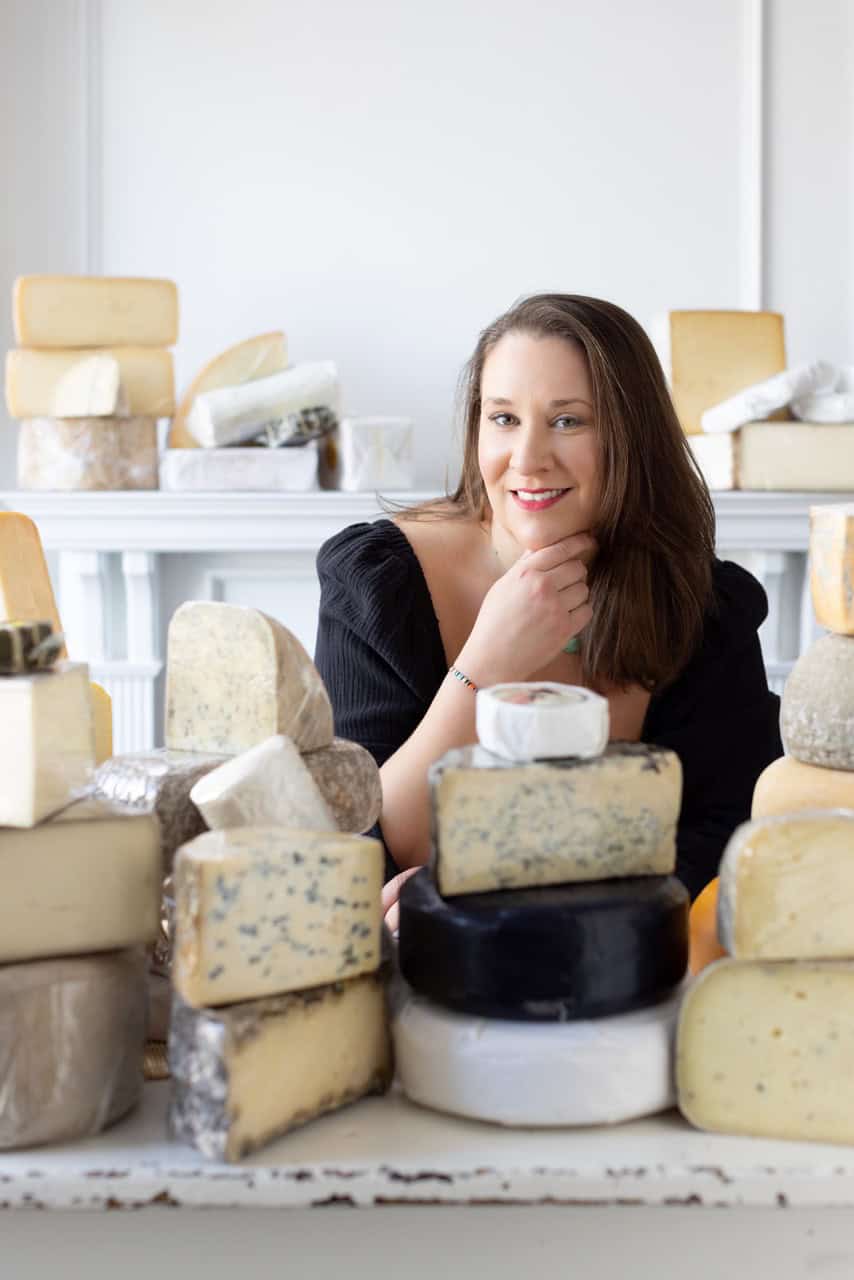
MEGAN VAUGHAN
Vaughan Cheese Counter & Bar, North Beach, Maryland
Tell me about working directly with farmers.
I work with all of the farms directly, so I get to know them and tell their stories to my customers through the cheese. Our counter has between 75 and 95 cheeses that rotate seasonally—all US cheeses, with just a few exceptions.
Being able to tell the story of the farmers through the cheese is insanely rewarding and so much fun. [When we ship cheese,] our boxes always have a handwritten card from me thanking them for their order, plus an index card full of descriptions of every cheese in that box that say, “This is the name of the cheese. This is what it tastes like. This is where it’s from. This is a fun fact about it.”
How have you diversified your business?
When designing the business, it was important that it was designed in a way that feels COVID-proof—that if any one thing got decimated, the business could continue running. I redid online retail post-COVID, and I’ve since been developing classes to diversify.
It’s really important that as we are looking down the throat of massive change industry-wide, that nothing can feel too precious. You need to be able to change on a dime, and we learned that. I’m seeing it with farms, as well. To be a smart businessperson, you need to have a diverse set of what you do. And it also makes it more fun.
How does your culinary background inform your approach to hospitality?
Whether it be culinary school or working at Eleven Madison Park, where I ran service, versus the kitchen, you learn how to be efficient and what hospitality feels like. One thing that’s really important to me is that people never feel like they’re not special or fancy enough to appreciate cheese, because it can feel overwhelming to walk into this space and be greeted with a wall of 90 cheeses. My culinary and hospitality background sets the foundation of pure joy of having someone walk in, getting to take care of them, and making them feel welcome.
I think that’s a thing that has set my business apart in the community—that people know us for providing genuine hospitality.
In the end, people want to feel heard and seen and loved and cared for and important. That’s the same everywhere.

Alana Pedalino
Alana Pedalino serves as Managing Editor of culture. Her work has been featured in Bon Appétit, Chicken Soup for the Soul, and more. She loves to write, cook, and kayak. Find her bylines at alanapedalino.com.