
This interview is part of culture’s 2026 Hot List. Click here to learn more about our selection process and to see the latest Hot List class.
Josh Turka
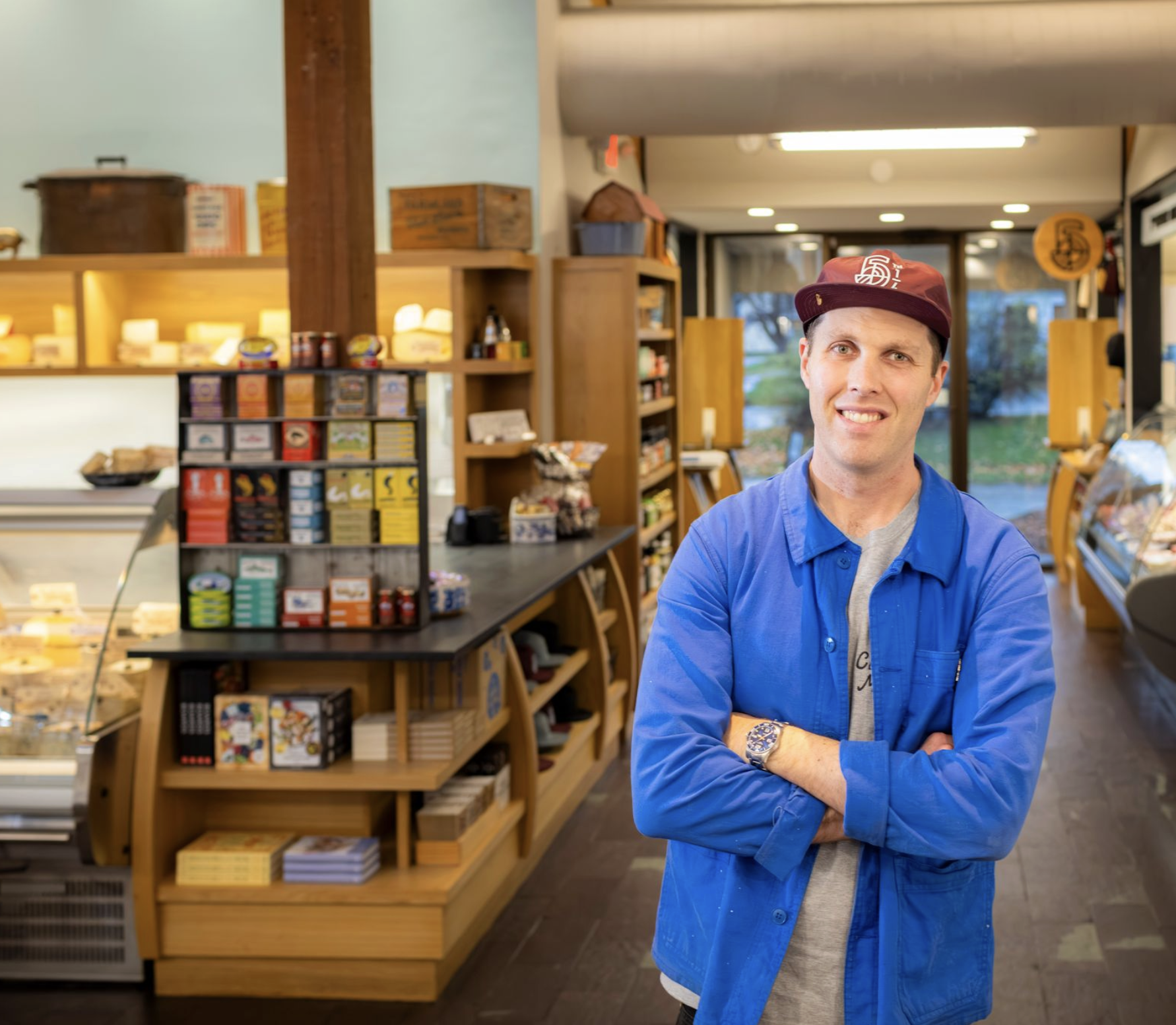
Owner, 5th Quarter Butcher + Provisions
Vermont
For Josh Turka, everything comes back to a single idea: honoring the whole animal. After more than a decade working in restaurants around Boston—including time with the Barbara Lynch Group and at The Salty Pig—Turka shifted his focus to butchery. In 2021, he relocated to Vermont and opened 5th Quarter Butchery + Provisions, a whole-animal shop that works exclusively with local farmers.
Serving as both a retail destination and wholesale operation in the Mad River Valley, 5th Quarter has a full-service butcher counter, cut-to-order cheese case, and a curated selection of specialty goods. With a deep respect for traditional techniques and a background that spans kitchens, science, and craft, Turka has created a business rooted in transparency, seasonality, and a strong sense of place.
What was your big “aha moment” when entering this industry?
It was during the year I spent living in Rome that I first learned about quinto quarto, or fifth quarter, a tongue-in-cheek reference to the offcuts left after an animal is slaughtered and divided. The best cuts went to the upper class and clergy, then the middle class and the army. The rest of the population was left with the “undesirable” odds and ends. In true Italian fashion, they turned those scraps into something incredible. Today, Rome is famous for those dishes. That philosophy—taking what’s left and making it meaningful—has always stuck with me, and it’s something I aim to honor in all we do at 5th Quarter.
How did you navigate your transition from geochemistry to owning 5th Quarter?
I knew I wasn’t going to spend my life in geochemistry, but I didn’t know what I wanted to do. My now wife and I spent a year teaching English and traveling in Italy, and I was completely taken not only by the food, but by how central it was to everyday life. People were constantly thinking about food—talking about it, planning meals, paying attention to what was in season. I wanted my life to revolve around food in that same way.
When we returned to the States, I spent seven years working in professional kitchens in Boston, but I left in 2017 to become a butcher. There was so much great local produce and cheese available, but access to high-quality, locally raised meat was much harder to come by.
Butchers are the missing link. They’re the ones who bring that product to the table—through dry aging, proper cutting, and charcuterie. If we want people to eat well and eat locally, they need access. Opening 5th Quarter felt like a way to help rebuild that system.
And in some ways, I didn’t leave science behind at all. Charcuterie is incredibly science-based, and my background in chemistry—and in applying the scientific method—has had a huge impact on how we develop and refine our recipes. Even with that, though, there’s still an element of alchemy to it.
Can you tell me more about your shop’s commitment to education?
Education is incredibly important to me on both sides of the counter. When I opened the shop, I made a conscious decision to not separate our production space from our customers. When you walk in, you see whole animals being broken down, steaks being cut, sausages being made. I want people to engage with where their food comes from and what goes into it.
As we’ve grown, we’ve extended that ethos to everything we carry. Every product has a story—a farm, a person behind it—and it’s our job to tell that story. That only works if the staff is knowledgeable, so we put in the time. We taste everything, we visit producers, and we bring them into the shop whenever we can. We’re lucky to represent such incredible artisans, and we try to give them the spotlight they deserve.
What does community building and collaboration mean to you?
When I was a chef, I had a line cook who used to say, “It’s not life or death, it’s just dinner.” I’ve adapted that for our shop: “It’s not life or death, it’s just cheese.” But at the same time—it’s more than that. Our goal has always been to create a gathering place for the community, like the butcher shops and grocers of the past. We see people week after week. We watch kids try their first bites of local cheese. We’re part of celebrations and celebrations of life.
We’ve also been lucky to collaborate with incredible producers and restaurants throughout Vermont and the Northeast. Those collaborations are energizing—they pull you out of the day-to-day and give you fresh ideas and perspectives. It’s also a chance to work with products we love. We’ve collaborated on sausages with Shelburne Farms, Jasper Hill Farm, and von Trapp Farmstead, incorporating their cheeses into our recipes and showing how versatile those products can be beyond the cheeseboard.
What’s the point of view of your cheese case? How has your location influenced it?
We’re incredibly lucky to be in Vermont. There’s an amazing concentration of cheese producers here, along with incredible farmers across the board. At least half of our case is made up of Vermont cheeses, and we look to neighboring regions—New York, Massachusetts, Maine, Quebec—before going further afield. We want the case to reflect a strong sense of place. That extends to everything else we do, too. Our charcuterie uses exclusively Vermont-raised pork, and our sausages feature locally grown or foraged ingredients, often sourced from the farmers’ market right outside our door.
What’s a cheese-and-meat pairing you love on repeat?
I’m usually drawn to contrast—a sharp cheddar with sweet maple-glazed ham—but I can’t get enough of our house-made mortadella with burrata from Maplebrook Farm. They’re both rich and unctuous, and instead of contrasting, they build on each other for a really decadent experience.

culture: the word on cheese
Culture is America's first and best magazine devoted to the love of cheese. Explore our website for stunning photos, cheesemaker profiles, recipes, wine, beer, and a community of readers always willing to help and chat.