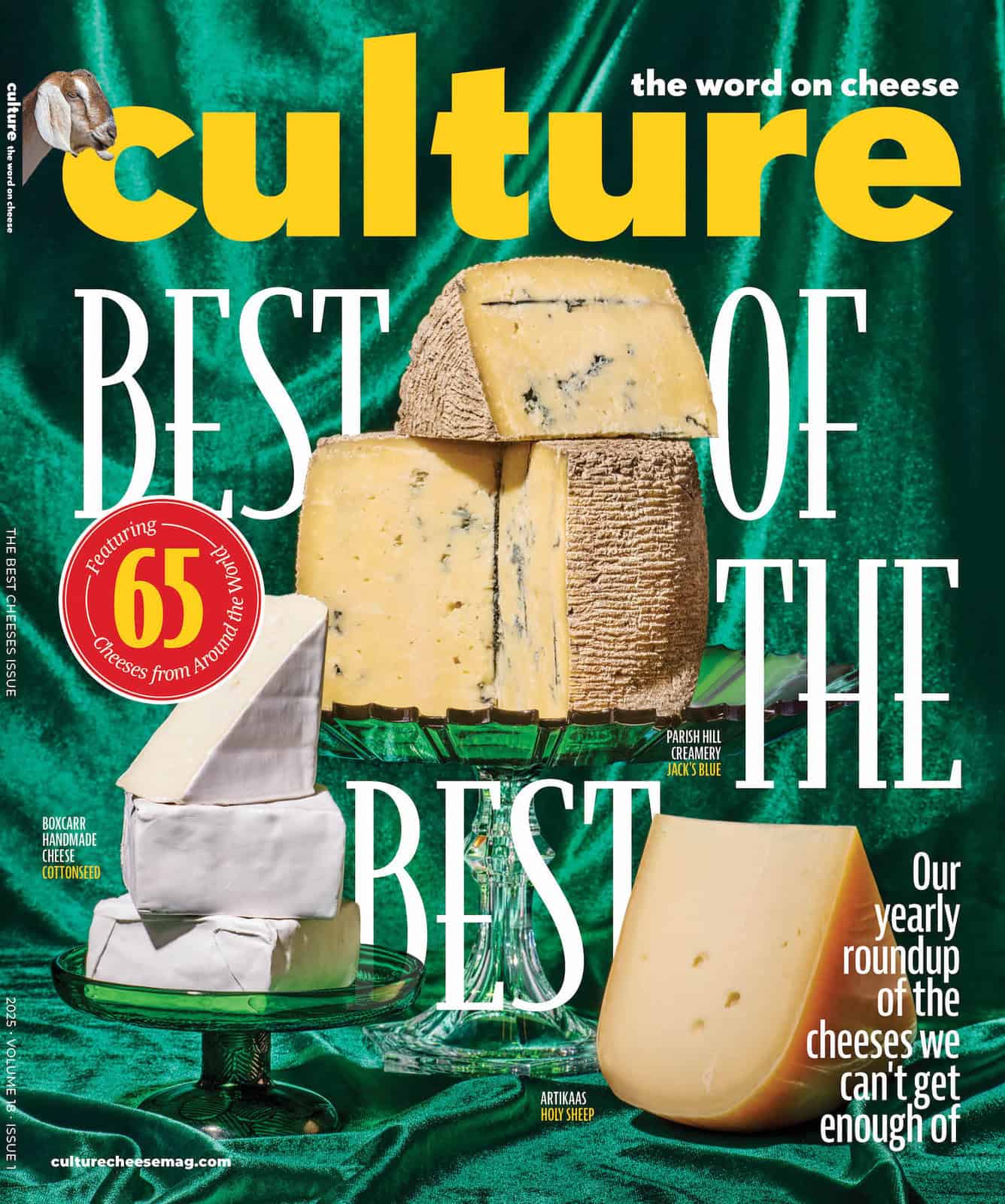

This interview is part of culture’s 2026 Hot List. Click here to learn more about our selection process and to see the latest Hot List class.
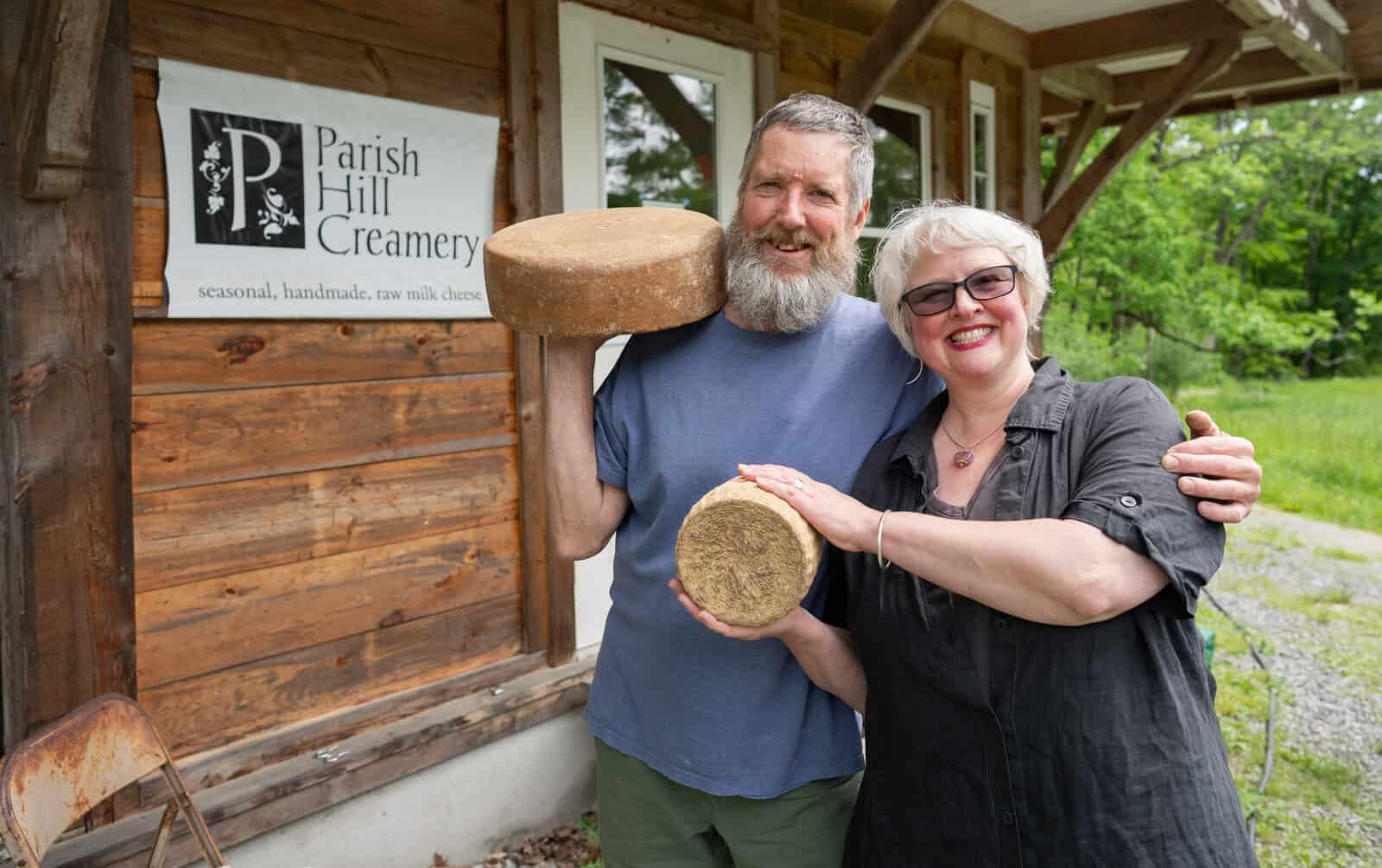
Rachel Fritz Schaal & Peter Dixon
Parish Hill Creamery
Vermont
At Parish Hill Creamery in Vermont, Rachel Fritz Schaal and Peter Dixon are redefining what American cheese can be. The pair work exclusively with raw milk, producing seasonal, pasture-driven cheeses that reflect a deep commitment to what they call “natural cheesemaking.”
Dixon, a longtime figure in American artisan cheese, has spent decades refining his craft and teaching others, while Schaal brings a complementary perspective shaped by curiosity, intuition, and a relentless attention to the nuances of milk. Together, they have become leaders in the movement to elevate raw milk cheese in the United States—not only through their own work, but through education and collaboration.
As founders of initiatives such as The Cornerstone Project and The Science & Craft of Raw Milk Cheese Conference, they are helping build a future where terroir-driven, small-scale cheesemaking can thrive.
How did each of you first find your way into cheesemaking?
Rachel Fritz Schaal (RFS): Falling for Peter meant a life of cheese. When we decided to start Parish Hill, I was all in—maybe a little blindly—but it turned out to be a pretty great idea.
Peter Dixon (PD): I started making cheese commercially in 1983 at my family’s farmstead business. But the real turning point came when I was studying dairy science and working at Shelburne Farms.
That’s when I realized raw milk—milk from cows grazing under open skies—was doing much of the work of bringing cheese to life. It shifted my thinking. Cheesemaking became less of a process and more of a craft, a life’s work with real depth and meaning.
What does “natural cheese” mean to you?
PD: Natural cheese is terroir-driven. It’s about transferring the land, the animals, and the work of people into a food that can only be made in that place.
It relies on raw milk, native cultures, natural rennet, local unrefined salt, and traditional aging methods. It’s a system—one that reflects a set of values and a commitment to authenticity.
RFS: For me, it’s about awareness. Not just fat and protein, but breed, feed, health, pasture—everything that shapes the milk before it even reaches the vat.
Natural cheesemaking asks you to understand what that specific milk wants to become. When you get it right, it leads to something unusual, something specific—something exquisite.
What inspired you to launch The Science & Craft of Raw Milk Cheese Conference?
RFS: We missed spaces where cheesemakers could really come together and learn from one another. When we started the conference, we weren’t even sure who would show up—but people did.
It became this incredible exchange of knowledge, ideas, and camaraderie. Cheesemaking can be lonely work, and creating that space felt important.
PD: We had attended similar conferences in Europe and saw how valuable those focused, technical conversations could be. Bringing that kind of depth to a US audience felt necessary—and long overdue.
What excites you about the next generation of cheesemakers?
PD: There’s a growing interest in staying small—focusing on craft rather than scale. That’s where truly unique cheeses come from.
RFS: The passion. This is hard work, not easy money, but when you see young cheesemakers light up when their work is recognized—it’s something special.
What’s the biggest challenge facing cheesemakers right now?
RFS: Access to good milk. And capitalism. They’re connected.
PD: Finding milk suited for high-quality cheesemaking—and building systems that support it—is still one of the biggest hurdles in the US. It’s a long game.
What advice would you give someone hoping to become a cheesemaker?
RFS: Visit as many cheesemakers as you can. Learn what your milk is best suited for, instead of trying to force it into something it’s not.
PD: Work with experienced cheesemakers, study the science, and be ready for the reality of the work. It’s physical, it’s demanding, and it’s a lifelong craft.
What keeps you curious after all these years?
PD: Understanding what went into each cheese—and how each season changes the outcome.
RFS: The magic. The smallest shifts in time, temperature, and acidity can change everything—and I’m still learning from that every day.

culture: the word on cheese
Culture is America's first and best magazine devoted to the love of cheese. Explore our website for stunning photos, cheesemaker profiles, recipes, wine, beer, and a community of readers always willing to help and chat.