
It’s about fellowship, community, what the land offers and what artisans make from it
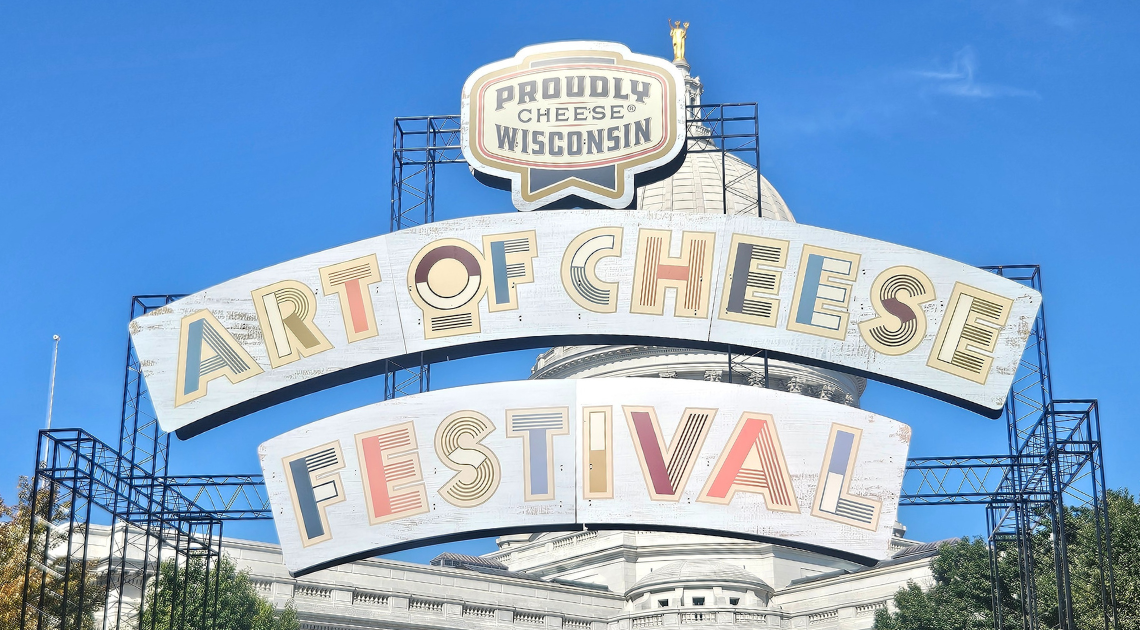
In late September, the second Art of Cheese Festival overtook downtown Madison, Wisconsin. The biannual festival is a celebration of Wisconsin cheese and connects makers—and those outside of cheesemaking, such as chefs and distillers—with the public in an original, educational setting unique to America’s Dairyland.
Wisconsin makes more cheese than some European countries, so hosting a multiday festival in the state’s capital city makes sense. But what exactly is the “art of cheese” and did Wisconsin offer a satisfactory answer? As someone lucky enough to attend the Art of Cheese festival on behalf of culture, here’s what I learned.
The Art of Cheese is Community
Community is a cornerstone of the Art of Cheese Festival; at its core, the gathering provided a chance for cheese-obsessed people to bond over a common interest. More than that, however, the festival highlighted that it takes a village to make cheese. Collaboration is key for artisanal cheesemakers to not only survive, but thrive.
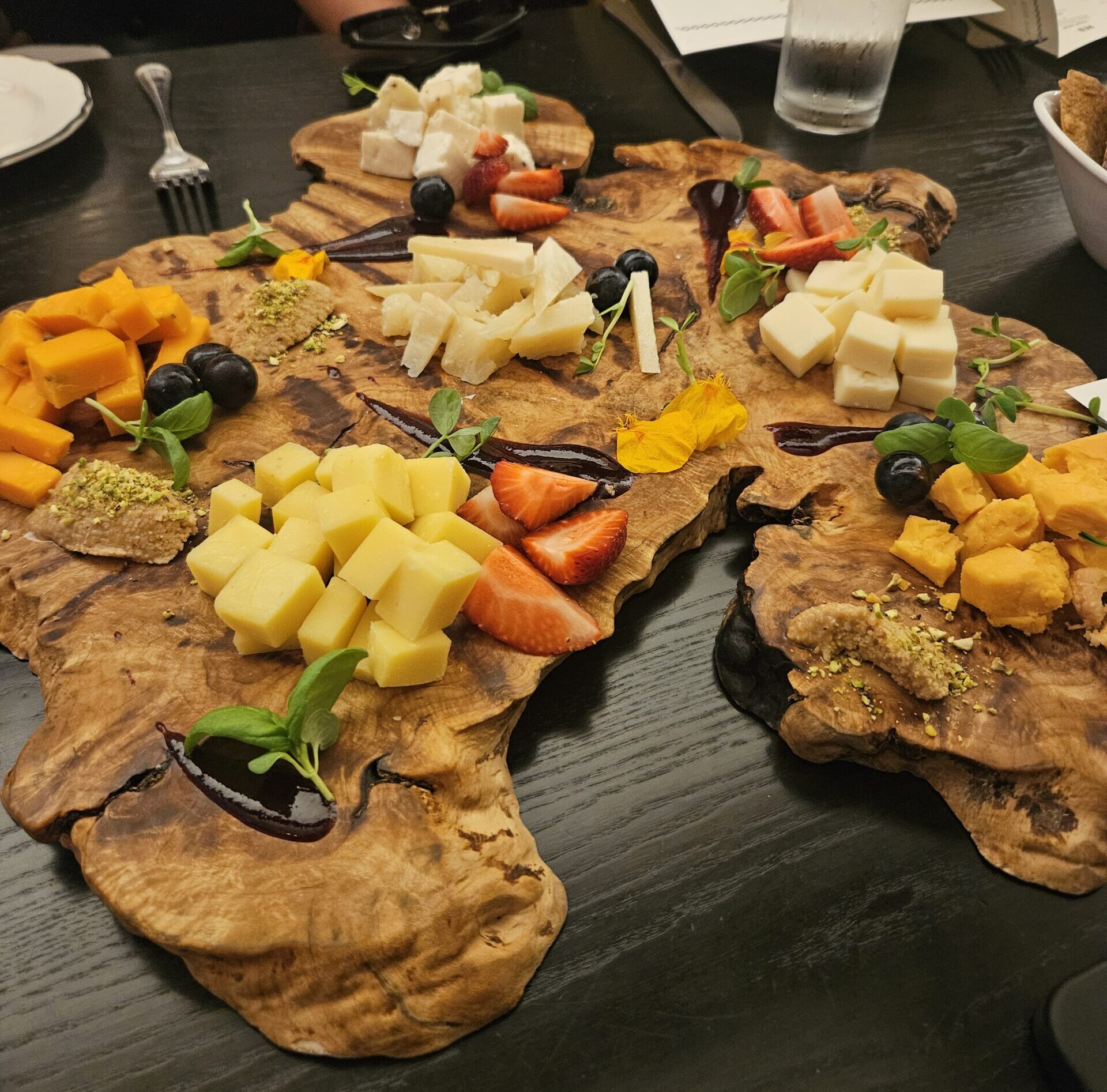
For example: During my trip, I dined at Dan Fox’s Heritage Tavern. The menu was detailed, with a thoughtfully selected amuse bouche of artisan cheeses. Throughout the evening, our waitress carefully described each course, demonstrating a tight connection between the kitchen and front of house (and how a multi-course dinner is a carefully choreographed thing of beauty). Moreover, I watched a celebrated chef weave Wisconsin cheeses into his menu—supporting local cheesemakers while creating dishes that resonated beautifully with guests.
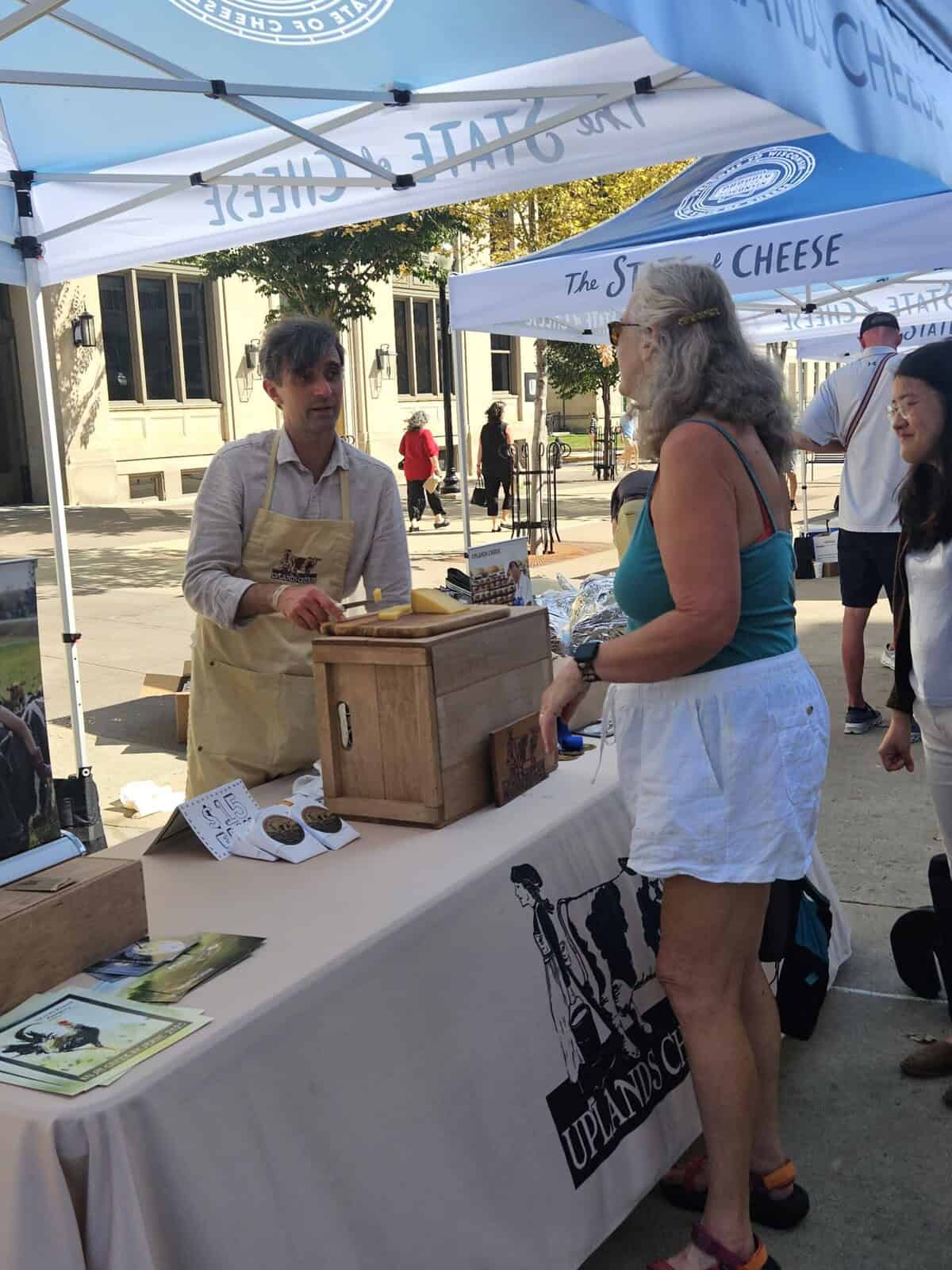
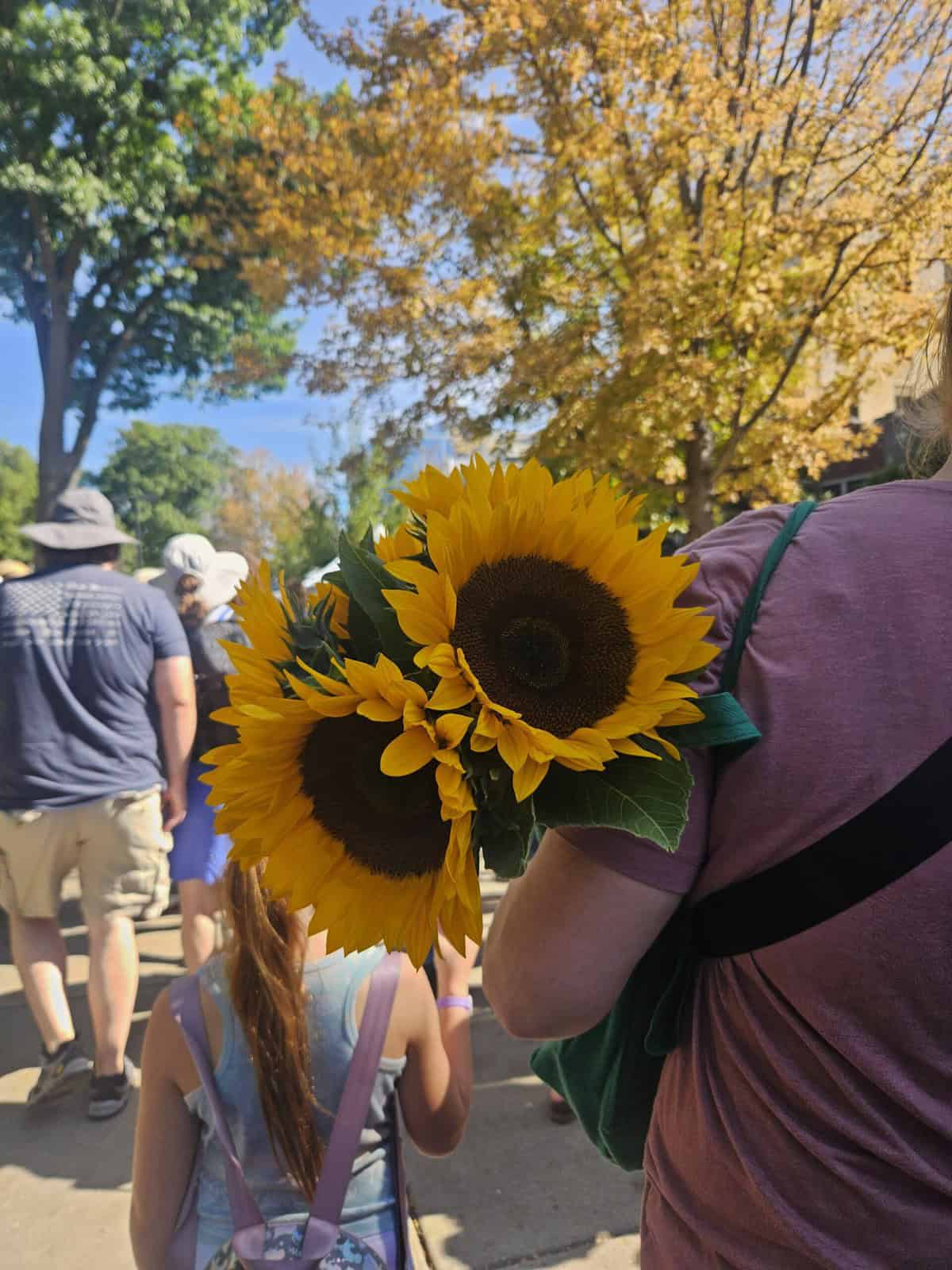
I also witnessed something at the Art of Cheese Festival’s Cheese Fair Off the Square, held at the same time as the Madison Farmers’ Market. Hundreds—if not thousands—of folks were shopping locally and supporting the regional economy, taking time to taste, explore, and buy Wisconsin cheese. There was no barrier between cheesemaker and consumer; I could walk up to Andy Hatch of Uplands Cheese and request a taste of Pleasant Ridge Reserve while asking him questions about the business. My only barrier to entry was a long line of enthusiastic patrons who wanted to meet him and buy his cheese. Throughout this experience I kept thinking: How often does a regular person get a chance like this?
There’s also an element of fellowship between cheesemakers. Carr Valley Cheese owner Sid Cook hosted a luncheon at his lake house and Joe Widmer of Widmer’s Cheese Cellars attended. Both are Master Cheesemakers, and could be considered competitors, however there was magic in watching them laugh, joke, and entertain guests—it was yet another example of how cheese brings people together.
The Art of Cheese is a Connection to the Land

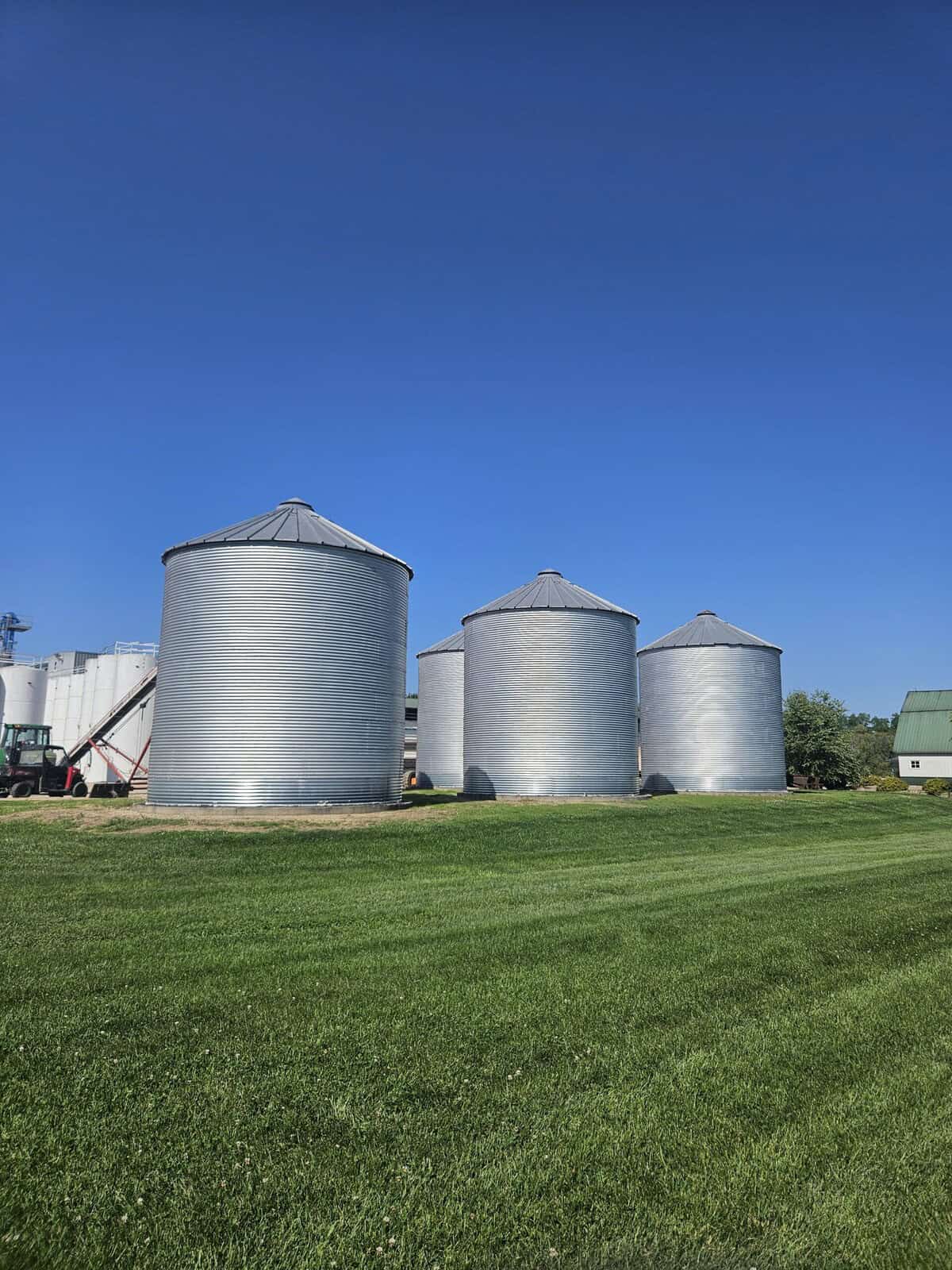
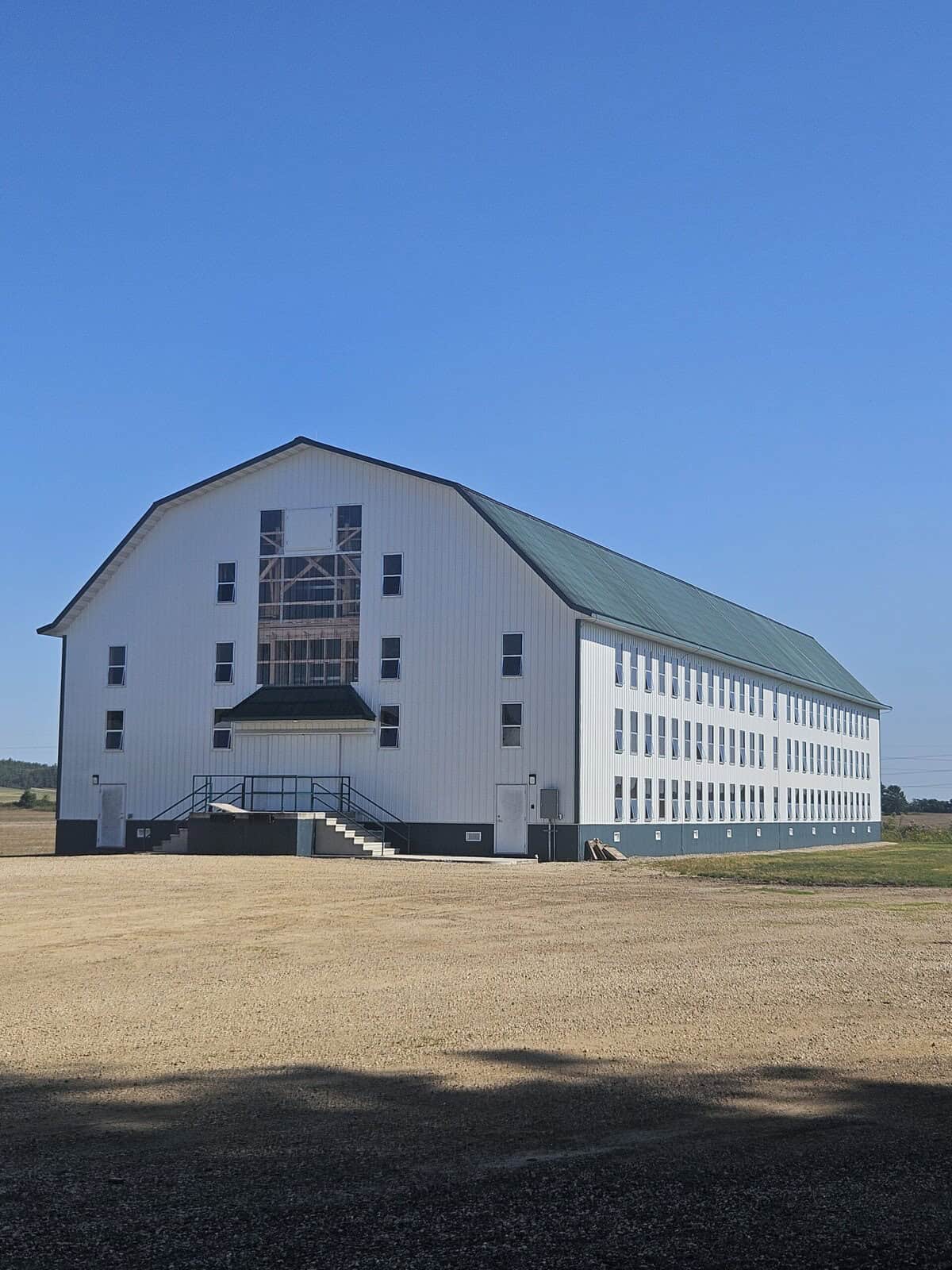
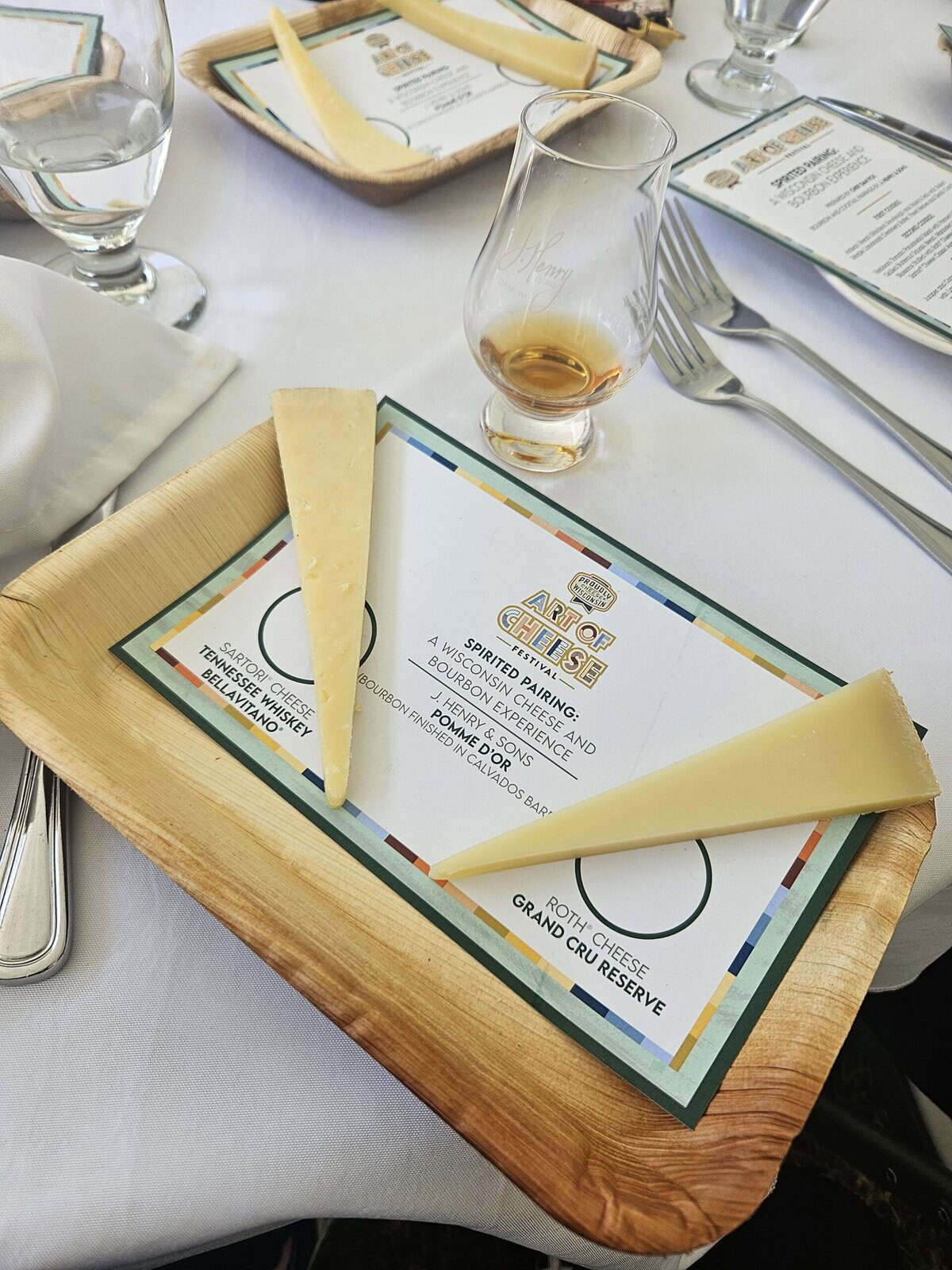
At one point during my trip, I had the opportunity to go on an excursion to the J. Henry & Sons Bourbon distillery. Despite the name, our tour was led by family matriarch Liz Henry. Later, three trailblazing women in cheese—including one of Wisconsin’s famous Master Cheesemakers, Sartori’s Pam Hodgson—presented bourbon and cheese pairings.
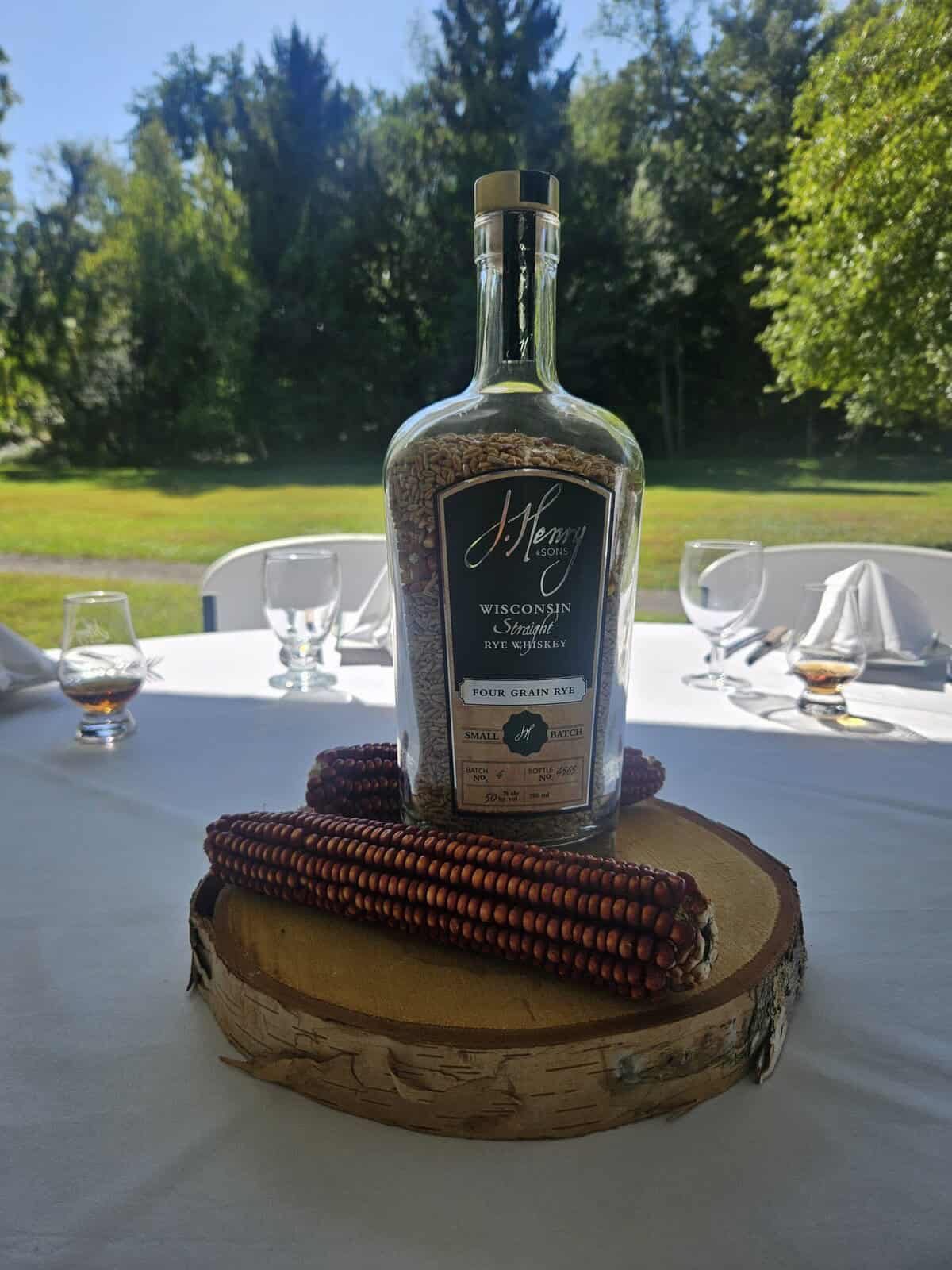
At the distillery, I learned that J. Henry’s bourbon is made with a particular type of red corn exclusive to the company. This parallels good cheese coming from happy cows. J. Henry boasted a close connection to its crop, yielding bourbon that pairs wonderfully with Wisconsin cheese. In short: A good, respectful connection to the land is necessary to produce something equally delicious.
During the bourbon and cheese tasting, Hodgson spoke of Sartori’s commitment to crafting “American originals”—think cheese inspired by abroad, but made to resonate with the American palate and spirit of innovation. Yet again, I was reminded of how deeply Wisconsin cheesemakers are connected to their land—and, by extension, to their animals.
Wisconsin is the only state that requires makers to have a cheesemaking license. It’s a serious pursuit, and I learned that makers strive to use local milk in their cheesemaking. Some, like Marieke Penterman, even pipe fresh milk directly into their cheesemaking facilities from the milking parlor.
In Wisconsin, part of the artistry of cheesemaking is rooted in a deep reverence—a passion for crafting something from the land and its animals with respect. Returning to J. Henry, the distillery was born from a desire to save a family farm and preserve it for future generations. Agricultural ingenuity made it possible for the Henrys to not only keep their family home, but create a thriving business too.
The Art of Cheese is an Expression
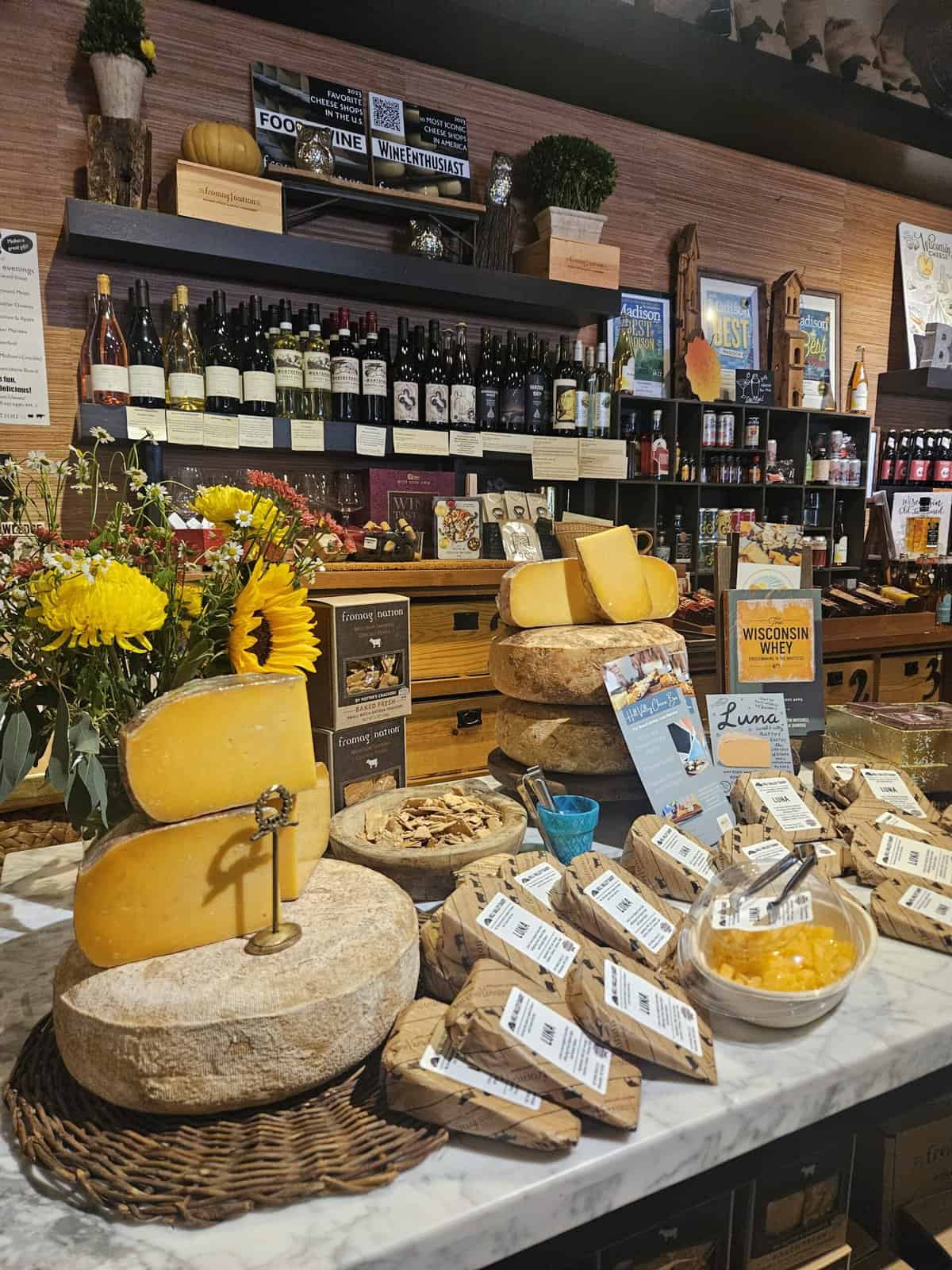
When it comes to cheese, Wisconsin is a place of invention and creativity. Who thought of injecting cheddar with blue cheese mold? Chris Roelli, a Wisconsin cheesemaker. Where can you find a cheese shop called Fromagination? Wisconsin, of course. Where was Colby first produced? Wisconsin, again.
One of my last stops at the festival was brunch at Chef Tory Miller’s restaurant, Graze. Boasting floor-to-ceiling windows and views of Madison’s pristine capitol building, this place felt airy and inspired—with food to match the atmosphere.
I noshed through several courses crafted by guest chefs invited by Miller. Each dish featured a Wisconsin cheese that allowed chefs to showcase their originality—the terrific outcome of gathering wildly talented people together for a meal. Dessert was a life-affirming concord grape sorbet with a side of caramelized Hook’s Little Boy Blue by award-winning pastry chef Mindy Segal of Mindy’s Bakery in Chicago.
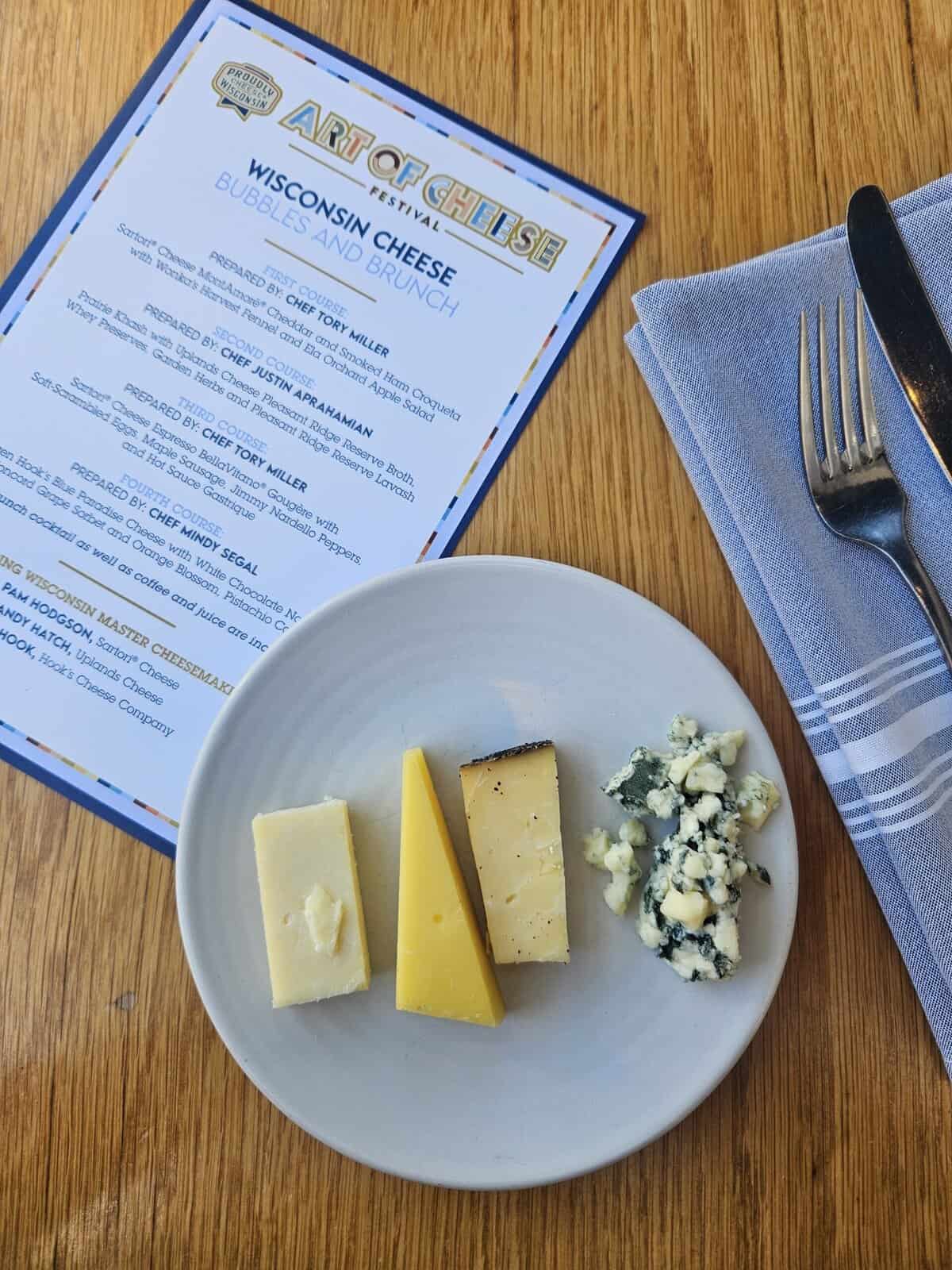

This brunch reiterated that cheese is inspiring. It’s milk transformed through chemistry, ingredients, craft—you’d be hard-pressed to argue that it’s not a creative endeavor since it’s an expression of so many things: good earth, comfortable animals, and artistic people.
“I think people who love food in general live a happier life,” Penterman said when interviewed at Milk Street Live, a podcast recorded at Madison’s Orpheum Theater. Perhaps the art of cheese comes down to this: Good cheese is the masterpiece of hard work. Because of this, cheese is art.

Alana Pedalino
Alana Pedalino serves as Managing Editor of culture. Her work has been featured in Bon Appétit, Chicken Soup for the Soul, and more. She loves to write, cook, and kayak. Find her bylines at alanapedalino.com.