
How cheese helps tell the story of The Hope Farm in Fairhope, Alabama


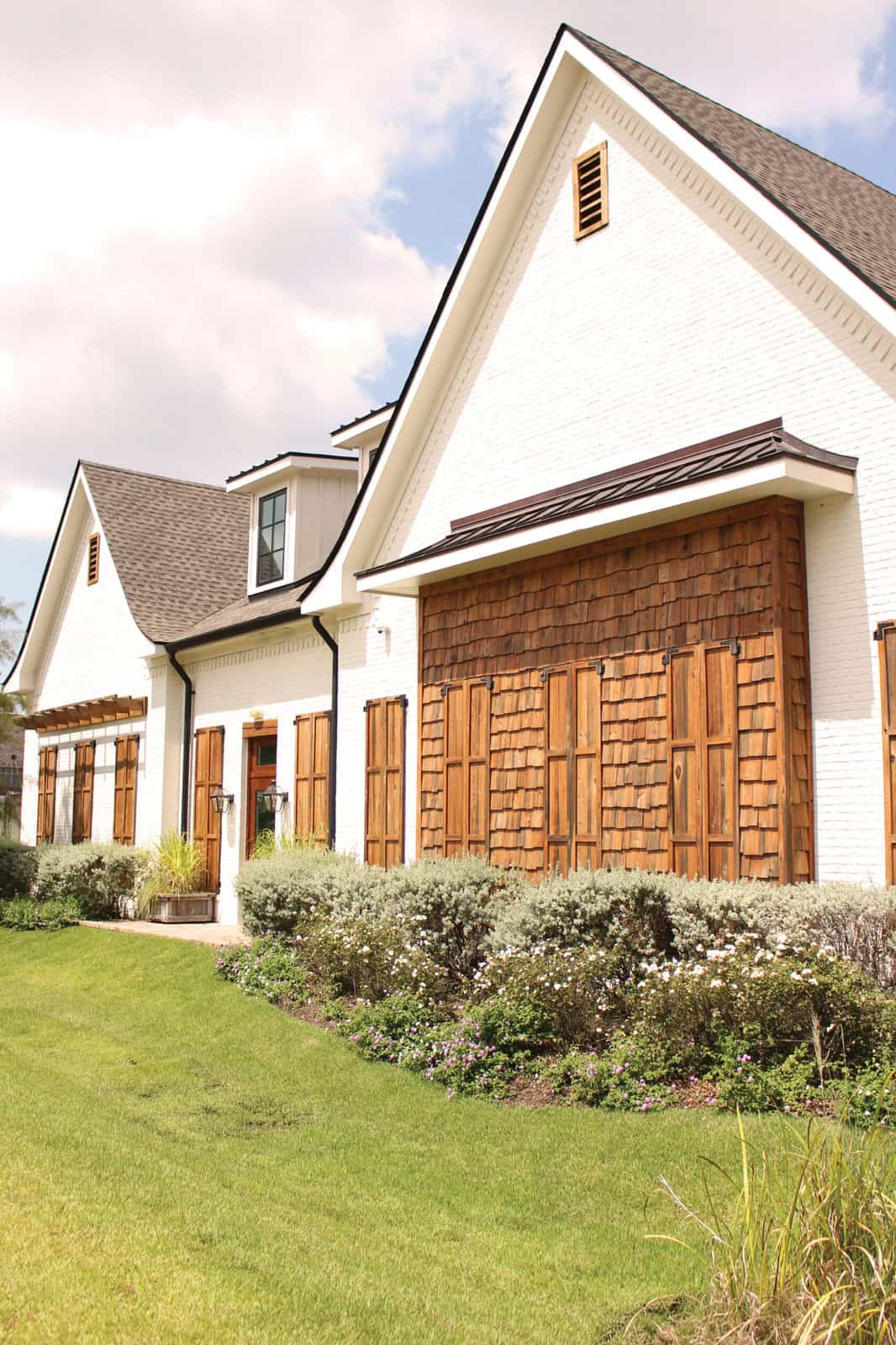
In Fairhope, Alabama, food and community are inseparable. Along the eastern shore of Mobile Bay, a rare early morning phenomenon known as a jubilee brings flounder, crab, and shrimp rushing to the shallows. This spectacle occurs in only two bodies of water in the world: Mobile Bay and Tokyo Bay. In coastal Alabama, neighbors once rang bells and knocked on doors to rouse each other, gathering at the water’s edge to share in the bay’s sudden bounty. That same spirit of resourcefulness and connection can be found at The Hope Farm, a modern and sustainable farm-to-table restaurant that draws from a web of local growing methods to bring fresh food to its tables. Both jubilees and The Hope Farm honor what the land provides and turn it into something worth gathering around, a philosophy mirrored by the restaurant’s newly promoted chef, Emily Ackerman.
Ackerman was raised in Amsterdam, where the rhythm of life was measured by freshness versus convenience. “I grew up going to small neighborhood markets every week—the meat market on Tuesday, the fish market another day,” she recalls. “They were all independently owned, not like going into Publix and getting everything at once. That way of shopping shaped how I think about food.”
After high school, Ackerman moved to the US and graduated from the University of Colorado. She knew she didn’t want to pursue graduate school and craved a different path. “I wasn’t on a culinary track at all,” she remembers. “I just knew I loved food. So, I decided to take a break, jump in, and see where I land.”
The leap was as unpolished as it was earnest. She walked into her first restaurant interview wearing a pantsuit, blissfully unaware of the kitchen’s unwritten rules of attire. “The GM said, ‘There’s someone here who wants a kitchen job,’ and the chef looked at me like, ‘Are you sure? She’s dressed up—what is she wearing?’” Ackerman laughs. “I had no idea. I told them, ‘I want to learn it all. I don’t have any bad habits because I don’t know anything yet—so just teach me everything and we’ll go from there.’”
That drive carried her forward when she arrived at The Hope Farm nearly three years ago. She started as a line cook, but four months later when the restaurant needed someone to take over pastry, she jumped in. With no formal training, Ackerman taught herself to hand-laminate croissants, build sourdough starters, and run a bread program from scratch.
“I told them, ‘I want to learn it all. I don’t have any bad habits because I don’t know anything yet.’”
Pastry became her launchpad, a place where discipline met determination. “If you’re off by a single gram, it can change everything,” she says. The rigor of pastry gave her structure; the freedom of savory cooking gave her passion. Over time, she learned to balance both—a duality that now defines her approach to crafting menus.
That balance is reflected in how inspiration flows at The Hope Farm. Working closely with farm manager Dominique Kline, Ackerman plans dishes around the garden’s rhythms. Her goal is to craft food that feels familiar yet unexpected. “You want to give someone a memory, something they recognize, but in a way they’ve never had before,” she explains.
Cheese certainly plays a special part in that storytelling. She loves Shelburne Farms cheddar and Sweet Grass Dairy Asher Blue, and she speaks about cheese with the same reverence she has for the garden. “Cooking with cheese is easy—it’s comfort food,” she says. “But to appreciate cheese as it was intended, without melting it or hiding it, is something else. That’s when you taste its true character.”
On The Hope Farm menu, cheese might be paired simply with housemade crackers, pickled blueberries, or the farm’s pepper jelly to allow the cheese’s flavor to shine. But sometimes it takes a playful turn, such as the brown sugar-dusted brûléed goat cheese currently starring on the Farm Board.

Certain dishes have become touchstones. The burrata, paired with basil paint, charred strawberry-shallot jam, and house-made focaccia, is a perennial favorite, reimagined through the seasons but always circling back to its original form. The Farm Board, too, has anchored the menu since opening. “It’s kind of an expression capsule of what The Hope Farm does,” Ackerman says.
For out-of-state diners who arrive with the assumption that Southern food is always fried and heavy, the restaurant offers a gentle but striking counterpoint. For instance, the short rib and grits dish is rooted in Southern tradition but reimagined with aged gouda and a boiled peanut ragu. “Shrimp and grits will always have a place,” Ackerman notes, “but there’s a way to reinvent them.”
The Hope Farm is more than just a restaurant; it is a community experience. Guests are encouraged to walk the gardens, pick blueberries from the bushes, and see firsthand where their food comes from. For Ackerman, this connection is as important as the food itself. “When you see it growing right there, and then it’s on your plate—that’s powerful.”
Mallory Scyphers
Mallory Scyphers is culture's Executive Content Director and has been with the company since 2018. She lives on Mobile Bay with her husband, two young daughters, one rambunctious golden retriever, and two loyal cats. Her favorite cheeses are alpine styles and mineral-y blues.