
Cheese shop owners share why you should be stocking your cheese drawer with local and American-made wedges.
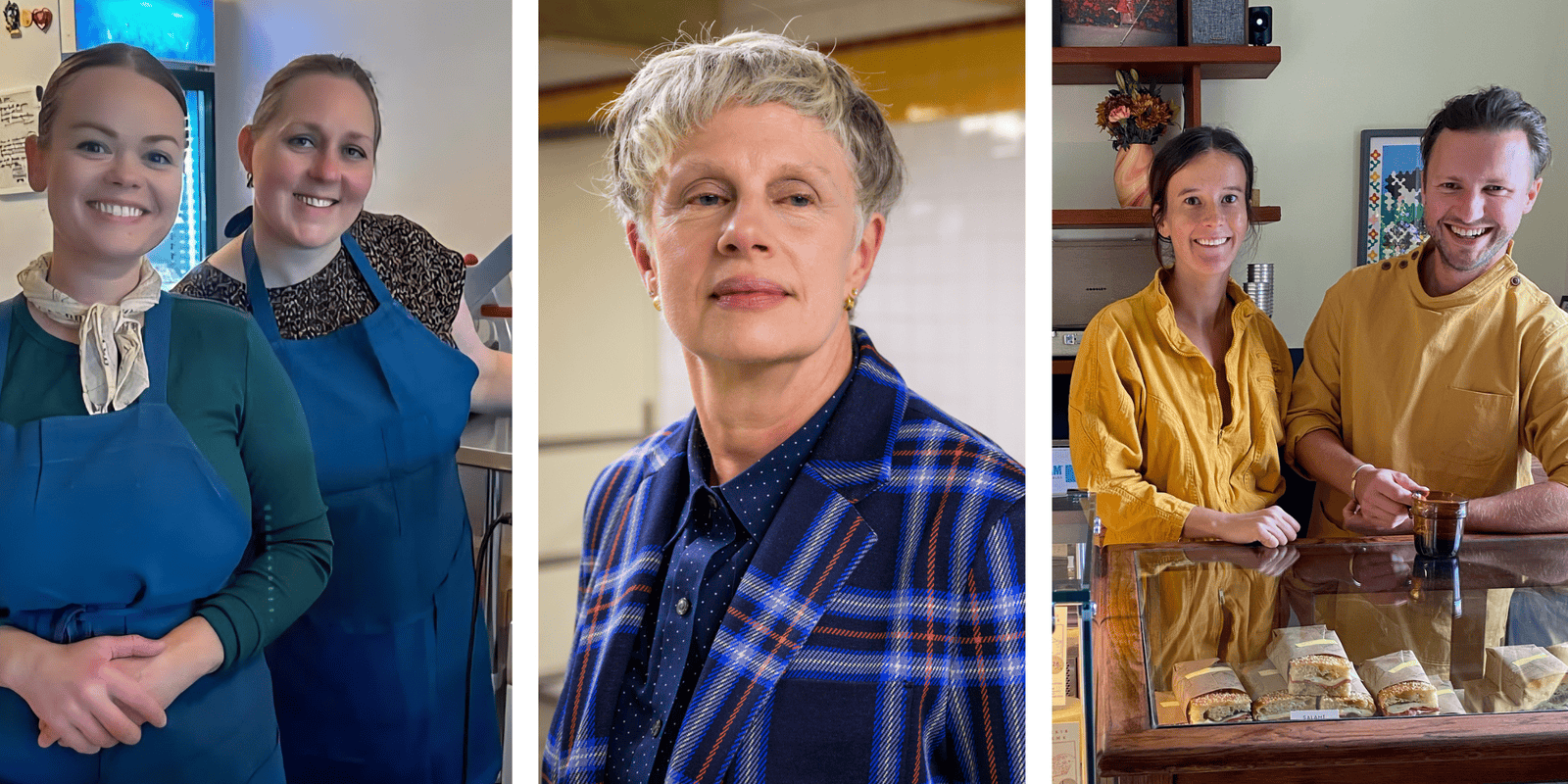

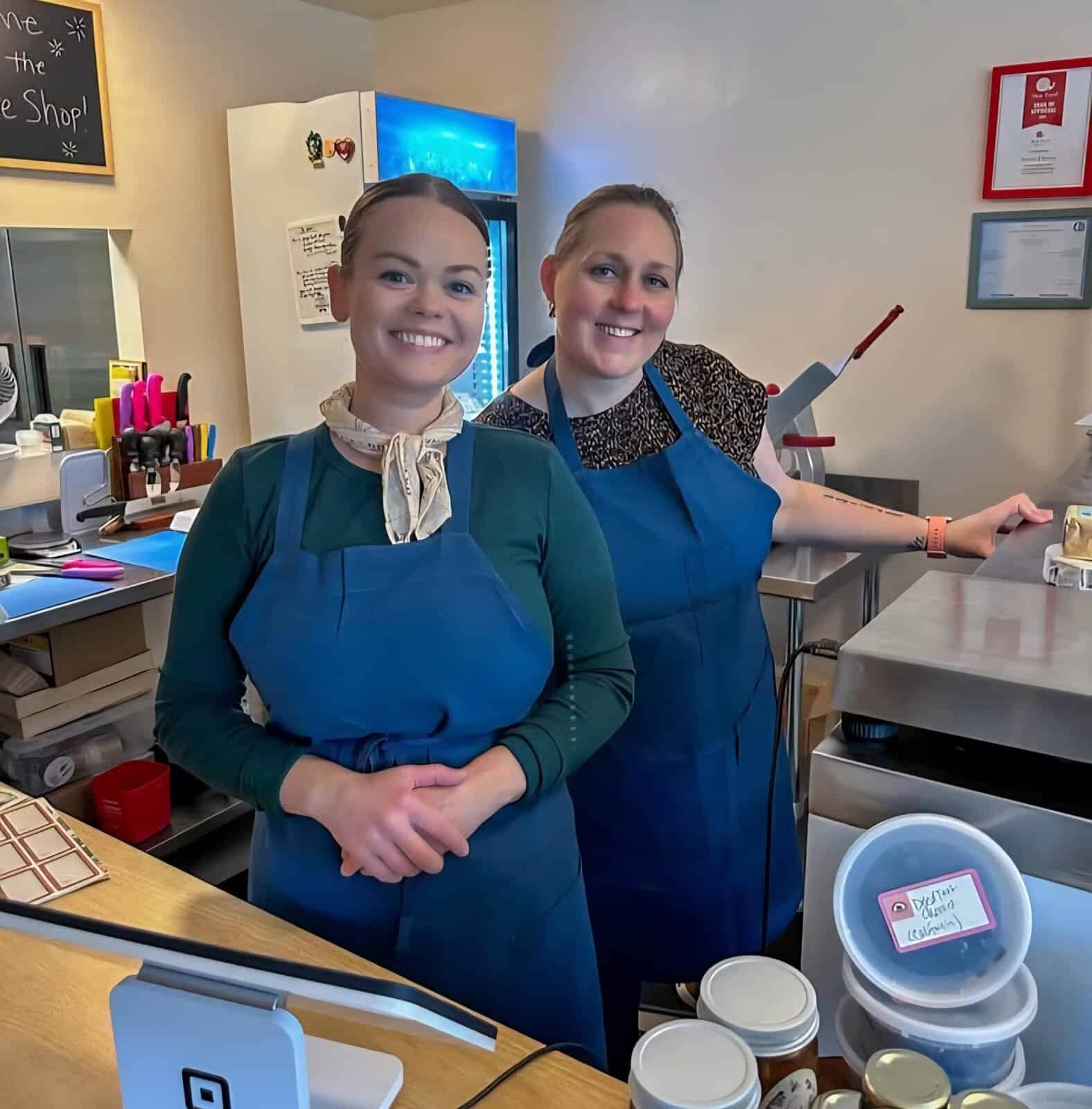
ERIC CASELLA & NORA GRANGER
Counter Cheesemongers, North Charleston, South Carolina
As sellers of only domestic cheese, what’s your recipe for success?
Our business model is very specific because it’s very small, and we’ve intentionally kept it that way. We started with just wholesale and later added farmers’ markets. That was always the way to directly connect with consumers. Then we transitioned to e-commerce shortly before COVID.
We’ve also seen this area change pretty drastically in the last few years, becoming trendier in terms of food and things going on. We transformed our office’s front room into a tiny shop. Before that, we didn’t have a traditional brick-and-mortar. We were very cautious about what we took on and when. A lot of bars and restaurants in Charleston pop up quickly, but they’re only around for a short amount of time. We wanted a sustainable business, trying to stay as lean and focused as possible.
What do you love about both the regional cheese scene near you and the American cheese scene?
The people. All of the cheesemakers we work with are just so wonderful and fantastic and care so much about what they do. We also work with such beautiful products every day, and we love being surrounded by it all—and, of course, eating cheese all the time.
We frequently drive up to Looking Glass Creamery and pick up Green River Blue, a soft-ripened Gorgonzola-style that’s too delicate to ship. We get to hang out with the crew and chat for a bit. Our dog gets to run around the field and bark at cows. It’s a beautiful place—an idyllic farm situation. So, we’d say it’s the chance to visit cheesemakers and connect with people, whether it’s over the phone or in person.
COURTNEY JOHNSON & TAILOR KOWIS
Street Cheese, Seattle
Tell me about your shop’s commitment to education.
Tailor Kowis (TK): There’s such a disconnect between the consumer and where our food comes from. We want to be the bridge for people to understand why it’s important to buy a specific cheese from a specific producer. I think the more you know, the more you’re willing to spend so somebody can stay in business and keep making these cheeses that have been around for so long.
Something we’ve always enjoyed doing as cheesemongers is reminding people that cheese is not a fancy food. Cheese is for everybody, and it’s actually a very humble food. It comes from hardworking people, animals, and the land. The more you know about that, the easier it is to buy artisanal cheeses for every day.
Courtney Johnson (CJ): We provide a lot of education just working behind the counter. We have conversations all day long with people. Tailor made a big sign for when you walk in the shop that says, “Cheese is not fancy.” That inspires a lot of conversations.
We’ve been hosting educational events for years, including Cheese 101. People are really interested in learning the basics and how to pair cheeses. I went to The Cheese School of San Francisco when I was getting ready to take the exam to become a Certified Cheese Professional. That was such a magical experience, and we wanted to create a place where we can offer training and education for the others—especially for folks who work at businesses where cheese education isn’t a priority. We want to provide connection and that feeling of community.
What do you love about both the regional cheese scene near you and the American cheese scene?
TK: We have so many cheesemakers. There are almost 50 creameries in Washington, and it’s very hard and very expensive to make cheese here. It’s cool that’s what people are choosing to do with their life and dedicate their time to. It’s a craft.
CJ: I think we heard this more when we worked in grocery stores than we do now, but you still have customers who come in and say, “I don’t eat American cheeses. American cheeses are not that good.” And we have so many wonderful American cheeses. It’s nice to be like, “Actually, you should taste this cheese. It’s delicious.”
Locally, we have herbed rose butter from Cherry Valley Dairy, who has received more awards for their flavored butter than any other in the country. And there’s Oregon’s Rogue River Blue, crowned best cheese in the world in 2019. We have heavy hitters on the West Coast. And in every other corner of this country where cheese is being made, we have people who are doing an excellent job, and we should reward them and continue to support them.

JILL TARDIFF
Saxelby Cheesemongers, New York
What do you love about the American cheese scene?
The feeling that I get whenever I’m at the American Cheese Society’s Annual Conference. It’s the overwhelming enthusiasm, depth of skill and creativity, and resilience of the cheesemakers. That is a heartfelt connection.
What’s your shop’s recipe for success?
Have an opinion and a point of view. The customer comes to you fresh, and they’re looking for you to tell them how you’re caring for cheeses. The way you sell the cheese provides the customer with valuable information, and they need to understand your point of view.
I had a customer once say to me, “I come back because I know you care about your cheeses. I see them. I see the way you care.” We’re honing our skills, our talents, and our ideas together. I listen intently to see what both parties need to be satisfied so I’m able to sell something customers are excited to bring home. We’re proud that we know these cheeses and their cheesemakers, but none of it guarantees success.
Having a cheese case that has an opinion and a point of view—I feel strongly about that. It can be the personality of the owner or the manager, but the case has to reflect who you are. You don’t have that much time to talk with customers.
What is the most joyful thing about running a cheese shop?
Working with Anne Saxelby and her business partner Benoit Breal, I’ve been given the chance to engage with American producers—specifically cheesemakers and others in this multifaceted industry in the US, France, and England. It’s given me an opportunity to have an intimate relationship with the people who have dedicated their lives to dairy, to the communities they live in, and to the animals they care for—that’s really a wonderful thing.

Alana Pedalino
Alana Pedalino serves as Managing Editor of culture. Her work has been featured in Bon Appétit, Chicken Soup for the Soul, and more. She loves to write, cook, and kayak. Find her bylines at alanapedalino.com.