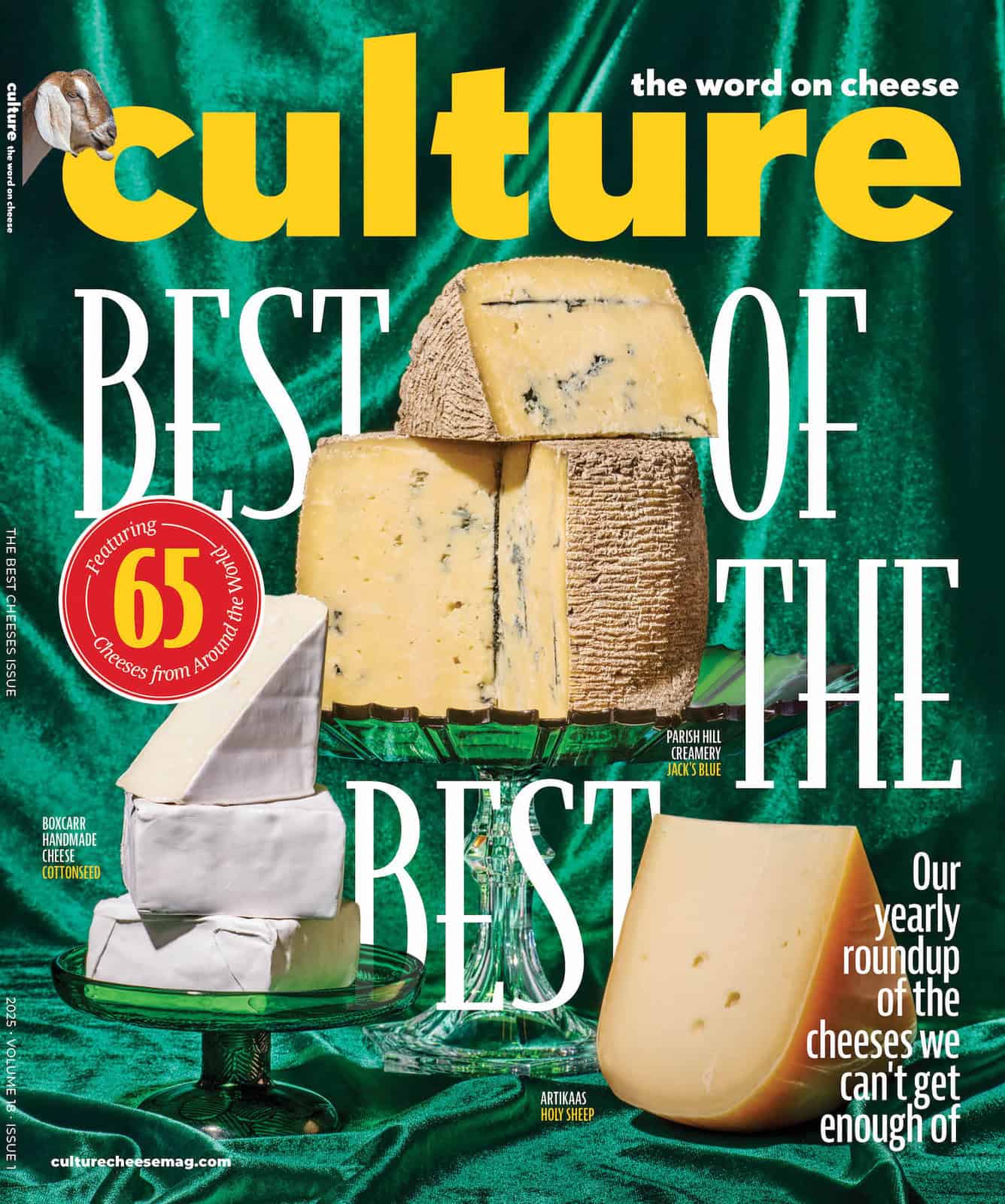

Shopping small is good for you, your local economy, and local creators, according to these cheese shop owners.
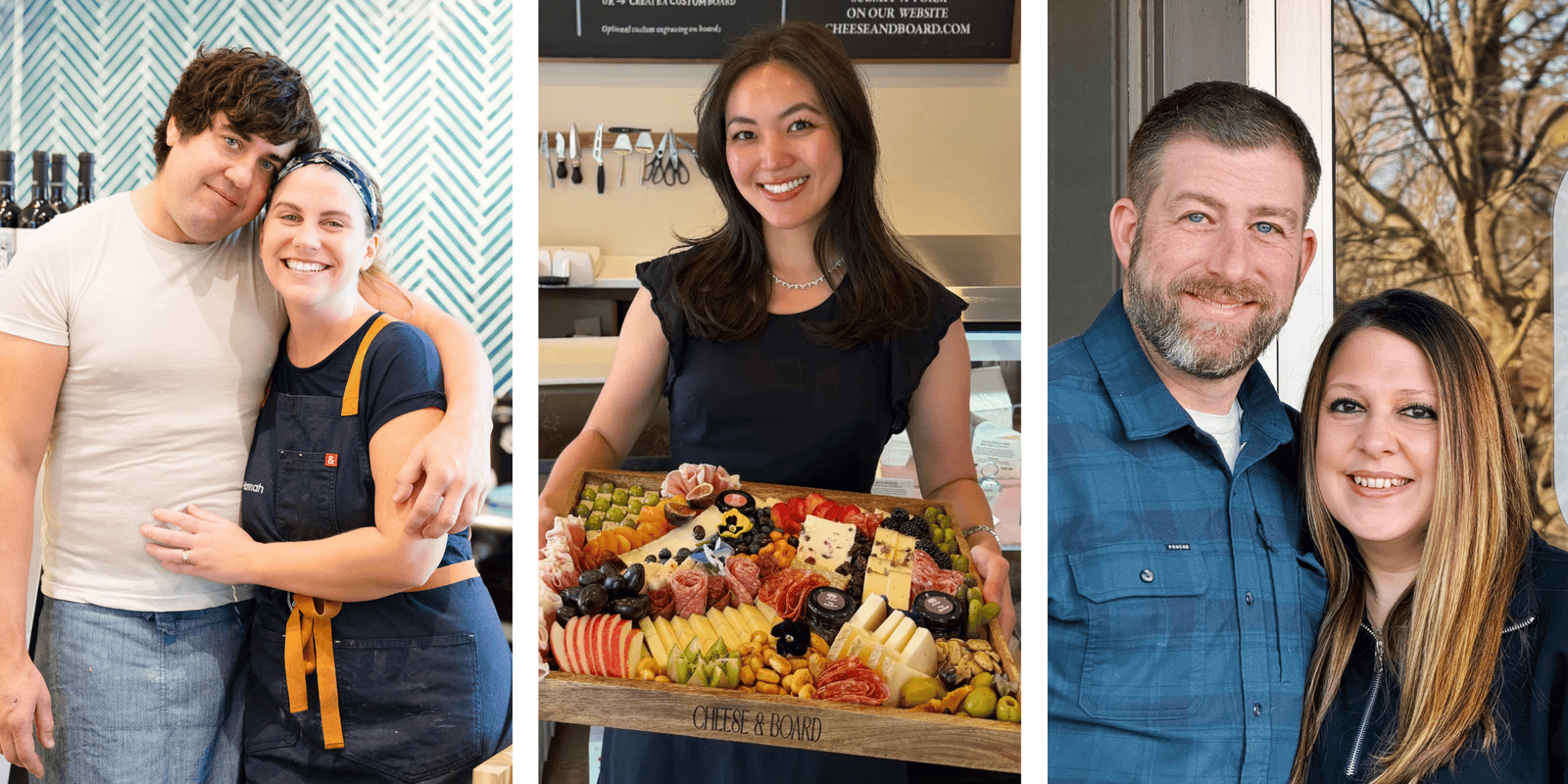
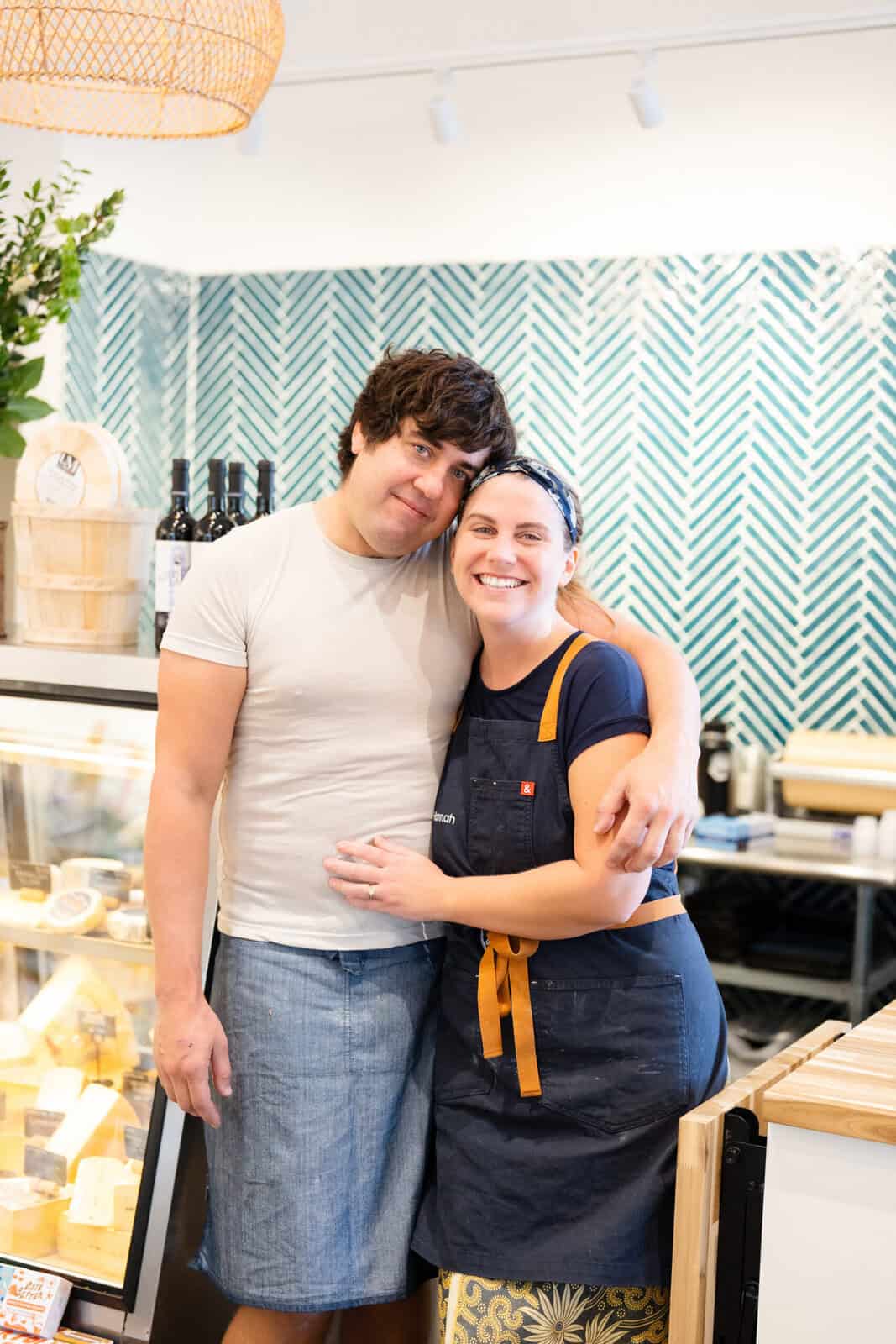
HANNAH KINNEY
Jaybird Superette, La Jolla, California
What is it like to balance the excitement of opening a new shop with the constant flow of responsibilities and ideas?
My analogy is that we’re at the grand opening and there are balloons dropping. Everything’s finally happened, but every balloon is something I forgot to do or an idea or a person I need to reach out to. I try to catch them all, but they just pop when they hit the ground.
It’s very exciting, but trying to get a grasp on all of that while my mind is racing 24/7 is an experience. I also think my ADHD is one of my strong suits—I am the biggest empath there is because of it. I’ve had customers come up to me saying, “Your curation is impeccable. But you two are the special sauce because of your connections to the community, how you interact, and how welcoming you are.” That’s something I think you need wiring in your brain for. That’s what allows this place to thrive. You meet people at a human level, introduce them to this product you love and care about, and you get to tell them why it’s special.
What is your shop’s curation philosophy?
It’s all about traceability. These products are made by real people; they’re not coming from a giant factory farm, they’re coming from friends and small businesses that take care of their people. I always want to have their products and work with people who give a sh*t. What’s the point of being here if we can’t take care of each other?
What’s hot about shopping small?
What’s not hot about it? We are all stuck in this f**king capitalistic society. It wants us to be cogs, buying things by pressing a button and having it show up on your doorstep. This shop is the exact opposite of that—we want to break that mold entirely. I think the only way you can do that in today’s world is by shopping small, by knowing where your products come from, and knowing that you can make a difference in your own society with the choices you make.
There were so many groups on our patio this weekend that popped a bottle of wine, had some sandwiches, bought a hunk of cheese, and sat there with their knives they brought themselves. There are groups that want to play mahjong here and have their paint-and-sip nights. This is exactly what we wanted. The community gets it. I think it was missing from people’s lives, and I’m hoping more people and businesses try to do the same.
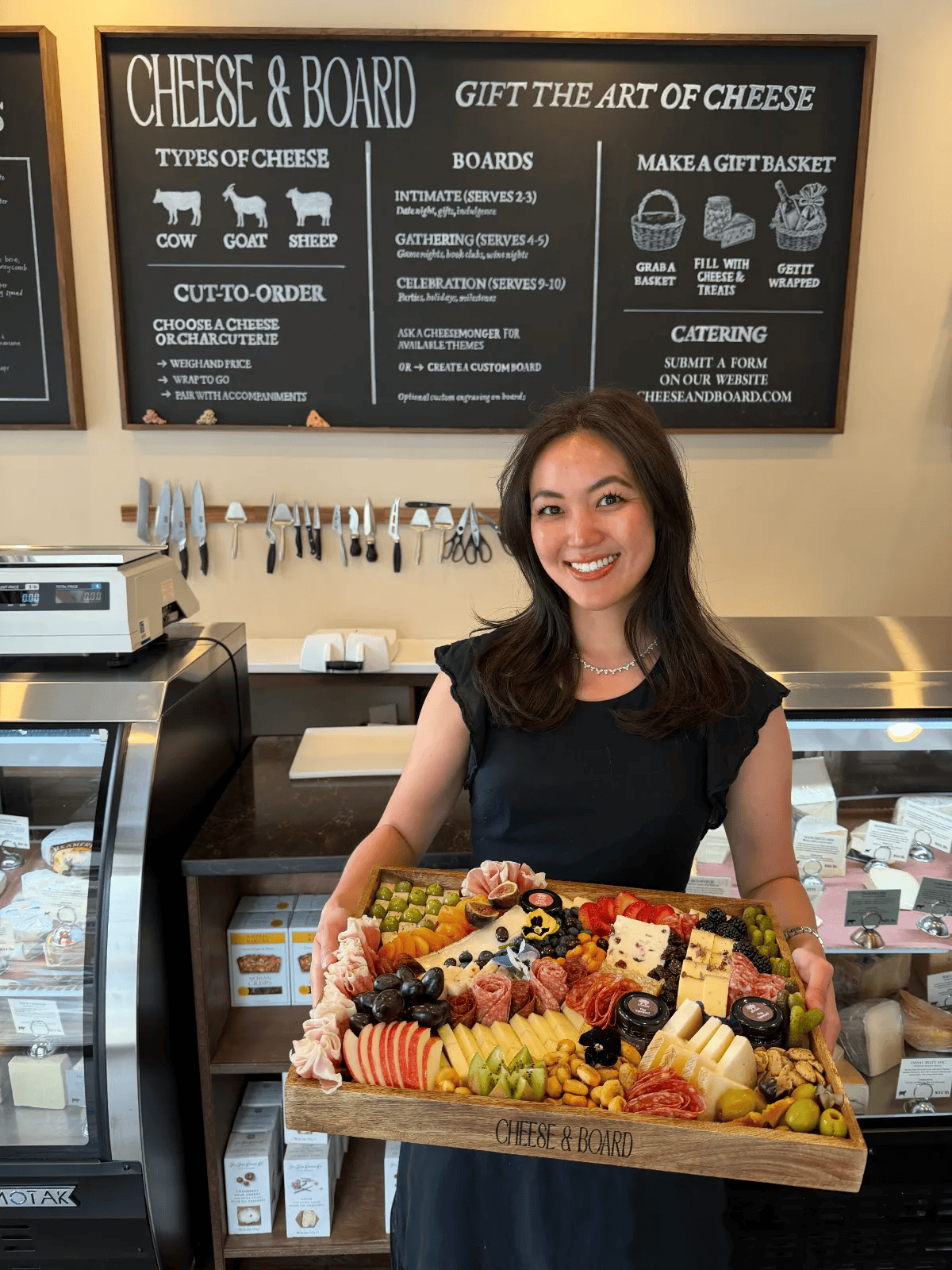
GRACE SHAF
Cheese & Board, Chicago
Name a cheese pairing that feels like summer in Chicago.
Tempesta Artisan Salami’s Wagyu Beef Salami with Milton Creamery Prairie Breeze. The wagyu salami has a flavor that reminds me of a Chicago hot dog. It’s savory, slightly spiced, and incredibly satisfying. The flavors really shine when it’s served at room temperature. Prairie Breeze, a Midwestern cheddar, adds a sweet and nutty crunch that balances everything perfectly. It’s simple and feels like the charcuterie version of grabbing a hot dog at a ball game or after a long day at the lake.
What is your shop’s plating and curation philosophy?
Gift the art of cheese—it’s for celebrating life itself! I have always had this artistic side, and I like when things are beautifully plated. I eat with my eyes, too, and visuals tend to strike up a conversation. Anyone who purchases a board from us brings it to a party, and it’s kind of all the rage. They’re always posting them on social media, and it’s been this natural snowball effect where people come into the shop because they saw a board at a party.
For curation, we try to listen to our customers. If someone asks for something they tried on a trip to Europe or Napa Valley, for example, we make a genuine effort to bring it in. That helps shape our shop into something that reflects the community while also giving us the opportunity to expand our palates. Everything we carry is something I love and would serve at my own table.
What’s hot about shopping small?
Everyone on the team feels a real sense of pride in what we’re building together, from discovering new products and finding ways to improve the shop to creating artful boards and helping customers find something they’re excited about. That kind of collective care is difficult to replicate at scale.
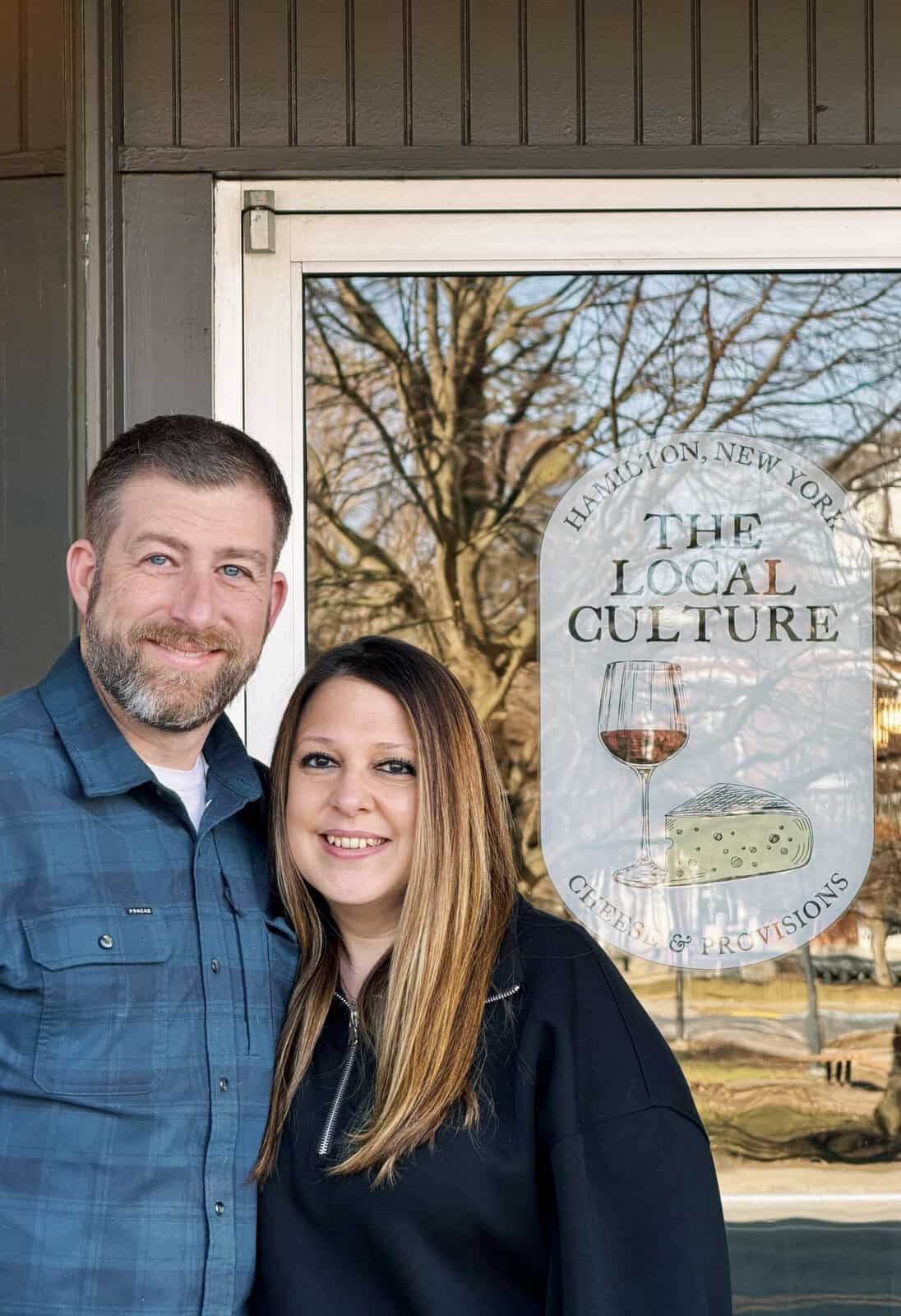
DEBBIE & MIKE DINARDO
The Local Culture, Hamilton, New York
Why was it important for you to make your own wooden serving boards rather than source them?
We have a woodworking business where we make charcuterie boards and serving essentials like bread knives and cheese slicers. Then we moved from Long Island to Upstate, and we realized we wanted to pivot woodworking into a cheese shop—and we didn’t want to stop there. We wanted to expand that into a lounge that offers pairings and has a cozy vibe, allowing people to come together over good food and to celebrate the community.
Wood is a freeform element. Our standards are cherry, walnut, and maple. The boards are communal, with room for four to six people around them at a table. We enjoy making those the most—we don’t have patterns or templates for anything, so no two boards are the same.
How does your culinary background influence your curation?
We take things that people know and love, then we build on that to highlight the cheese in a dish. So rather than serving a bologna and cheese sandwich, we serve a mortadella and brick cheese sandwich. We know how elevate a meal to give people a sense of the familiar while expanding their palates.
There are a lot of small dairy farms in New York that produce amazing cheeses. We’re making sure we spotlight them: Lively Run Dairy, 5 Spoke Creamery, Four Fat Fowl, Muranda Cheese Company, Jake’s Gouda Cheese, Nettle Meadow Farm, Chaseholm Farm, and Old Chatham Creamery. We also work closely with Kriemhild Dairy Farms to supply our butter; our menu features a smoked butter from their dairy that’s exclusive to us.
What’s hot about shopping small?
Small business owners—the passion that people put into their businesses. The pulse they have on their community, knowing what people need and can afford. I think that’s the best part about shopping local, supporting the relationship with the business owner and the community. The more you support local, the more you’re setting the example for the community to embrace this philosophy as well.

Alana Pedalino
Alana Pedalino serves as Managing Editor of culture. Her work has been featured in Bon Appétit, Chicken Soup for the Soul, and more. She loves to write, cook, and kayak. Find her bylines at alanapedalino.com.