
This interview is part of culture’s 2026 Hot List. Click here to learn more about our selection process and to see the latest Hot List class.
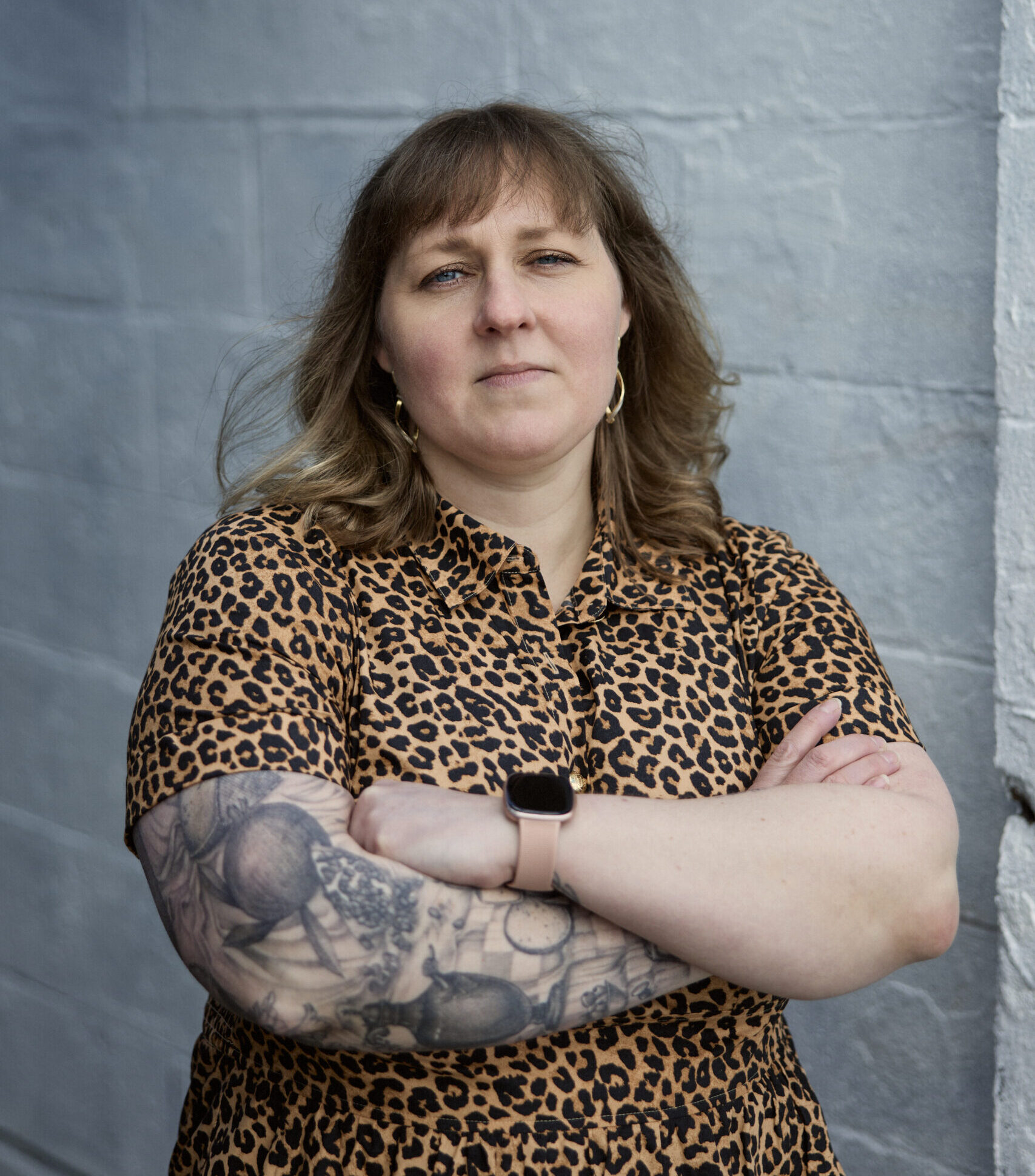
Courtney Johnson, ACS CCP
Co-Founder, Street Cheese
Washington
Courtney Johnson has built a career that bridges academia and mongering with rare proficiency. With a Ph.D. in German literature, Johnson brings nearly two decades of teaching experience and a deep intellectual curiosity to the counter. As co-founder of Street Cheese, she has helped shape a business from a mobile shop into a brick-and-mortar location in Seattle, all while focusing on making artisan and local cheeses more accessible.
Johnson has also distinguished herself on the competitive stage, taking First at the 2023 Cheesemonger Invitational: Masters and Bronze at the 2025 Concours Mondial du Meilleur Fromager, becoming one of two American women to stand on the podium. Through her work as an educator, competitor, and industry leader, Johnson continues to push the boundaries of what it means to be a cheesemonger today.
What was your big “aha moment” when entering this industry?
My first mentor, Irene Davis, lured me to the cheese counter with stories of a field where you never stop learning because you can never know it all—where you teach and interact with people from all walks of life, and where you can compete and pursue certifications. Coming from an academic background, that checked all the boxes for me, but it also added physical, technical aspects that I had been missing. It allowed me to hone a craft while building a body of knowledge I can share with others.
What does your cheese case say about you?
Street Cheese’s case is a reflection of my business partner, Tailor Kowis, and myself—our palates, what we think is important—but also of our community. We pay close attention to what people can and can’t find elsewhere, and we listen to what they love. Our neighborhood has an insatiable appetite for soft-ripened cheeses—they wipe us out every weekend—and a strong affinity for Alpine-style cheeses, so we carry more of those than we probably should year-round. In that sense, our case reflects a broader cheese ecosystem. We freely send customers to other shops depending on what they’re looking for. And like a nice wedge of Comté or Almnäs Tegel, we’re a little sweet, a little nutty, and a little savory around the edges.
How did the competitive aspect of mongering shape your career?
Knowing I could compete was one of the reasons I became a cheesemonger. Though, I didn’t fully understand what that meant until I entered my first Cheesemonger Invitational.
Competition pushed me beyond the confines of my own counter. It encouraged me to learn from others, explore new pairings, and expand my skill set beyond daily expectations. It also gave me a deeper sense of responsibility. I feel like I carry the cheesemakers with me into competition, and any success I have is a reflection of their work as much as my own.
How did it feel to make cheese history at Mondial du Fromage?
I never imagined that life would take me to Mondial, much less to the podium. We all compete because some part of us wants to win, but there’s also enough imposter syndrome to make it feel out of reach. Placing third felt incredibly validating, especially after so many years of preparation. The team effort leading up to Mondial 2025 was extraordinary, and I think we all felt a deep sense of relief and pride when that work paid off. It also felt significant on a broader level. As Americans, we proved that we can compete—and succeed—on the international cheese stage.
What’s next for you in the world of competitive mongering?
I wouldn’t mind competing again, though there are fewer opportunities once you’ve medaled at Mondial. I’m also interested in the idea of coaching future competitors, but I’m not quite there yet.
Do your German heritage and studies intersect with the cheese world?
Yes, in many ways. My family instilled a more European relationship with food; when butter was being demonized in the US, we were going to butter shops in Berlin to pick out different kinds for meals.
As someone with dual citizenship, I’ve often felt both connected to and separate from each culture. In some ways, I find myself in these German and Central European cheeses.
My academic training has also shaped how I approach cheese. Language skills allow me to explore at a deeper level, and my background in research and critical theory continues to influence how I think about the industry. There may even be a book in that someday.
Is there anything academia could learn from the cheese world, or vice versa?
Academia taught me to ask “who profits?” in any given situation, and I bring that question with me into cheesemongering. My role is to represent and honor the makers, so I’m constantly evaluating whether my work serves them well. At the same time, academia could learn from the cheese world’s openness. Cheesemongering attracts people from all backgrounds, and there’s no single path into the field. Academia, at least when I was in it, felt much narrower in its expectations.
What’s a quintessential German cheese pairing you could eat forever?
Sliced cheese and cold cuts on a buttered Brötchen (bread roll)—simple but perfect. You can eat it for any meal. These days I look for good alternatives due to a wheat allergy, but that combination—especially with butterkäse or an Alpine-style cheese, paired with mortadella or speck over cultured butter—is still hard to beat.
What is it about cheese that brings you joy?
I originally wanted to be a novelist, but I’ve found even more joy in telling the stories of cheese. Each cheese is a microcosm of a time and place, and I love guiding people through that—helping them understand the people, animals, and histories behind what they’re tasting. It’s a way of traveling through the senses and bringing others along for the journey.

culture: the word on cheese
Culture is America's first and best magazine devoted to the love of cheese. Explore our website for stunning photos, cheesemaker profiles, recipes, wine, beer, and a community of readers always willing to help and chat.