
Switzerland takes cheese seriously in a way that is charming and deeply enviable
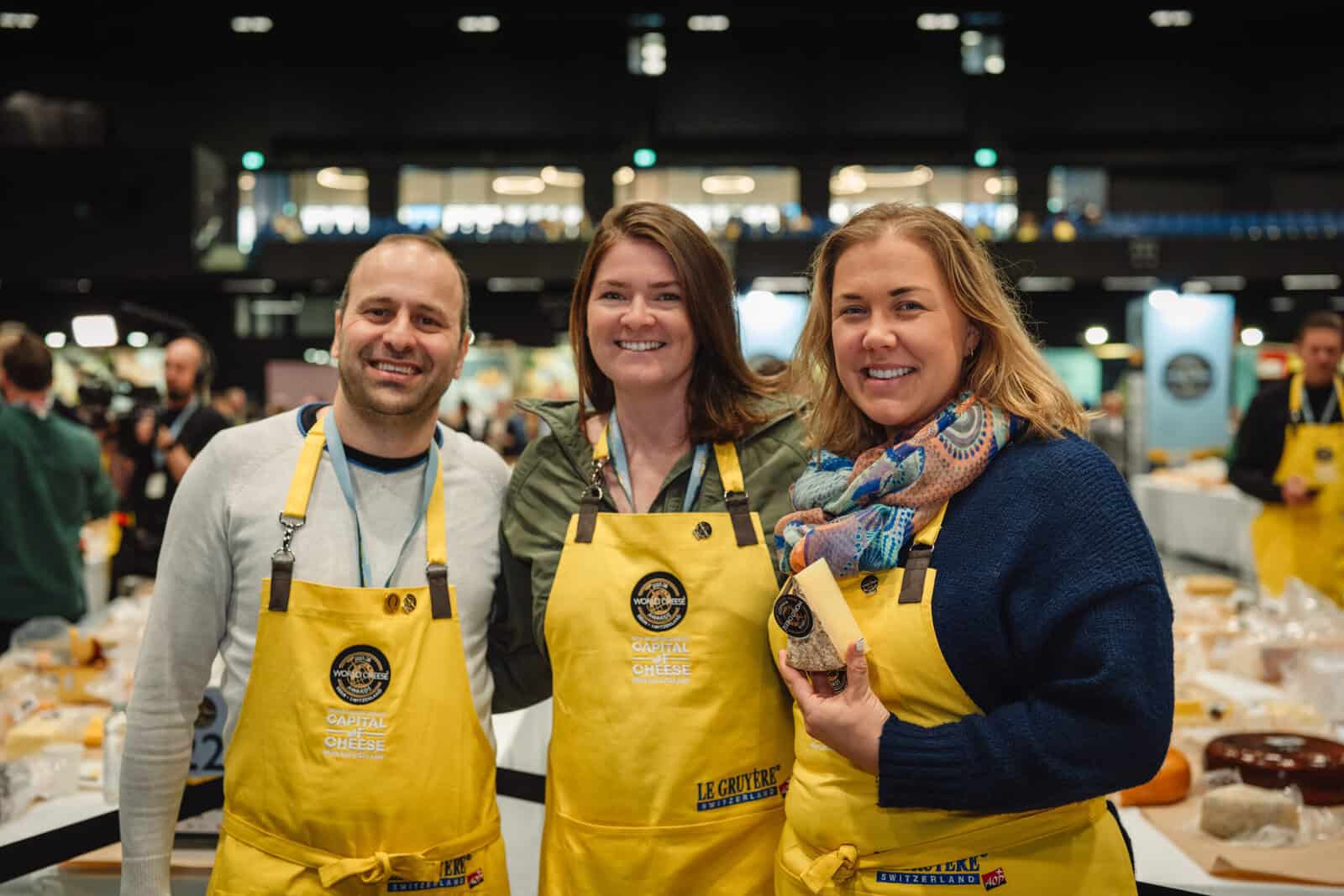
The first thing I noticed stepping into the World Cheese Awards (WCA) was the smell. Warm, milky, and a little funky. It filled the hall and became part of the air. After a few minutes, I became nose blind to it, but it lingered—a reminder that I was surrounded by thousands of cheeses from all over the world.
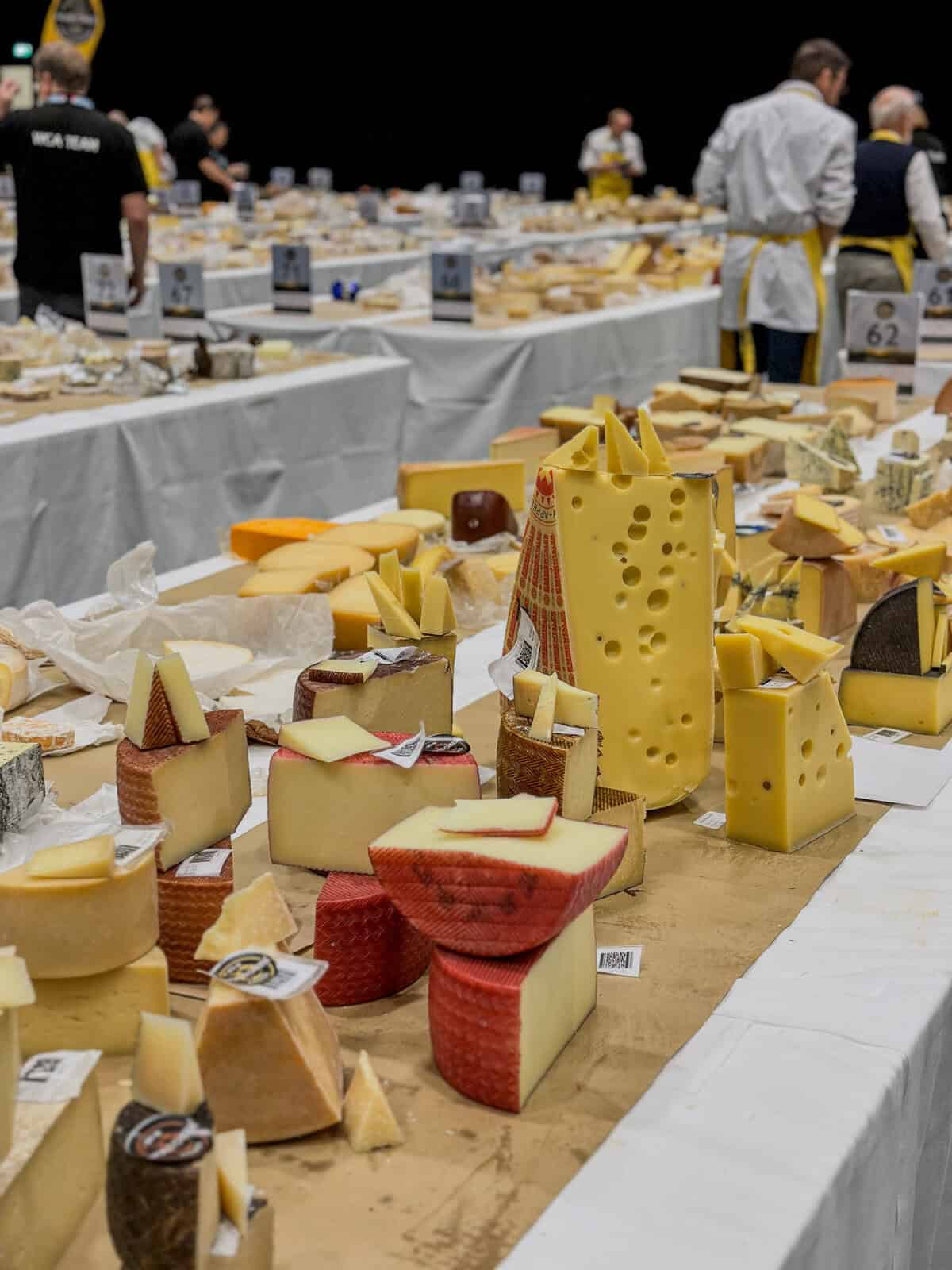
That smell was the aroma of 5,244 cheeses from 46 countries, all gathered in Bern, Switzerland, for what’s widely recognized as the foremost international cheese competition. With 265 judges from around the world, the hall hummed with expertise and shared passion. Tables stretched as far as the eye can see, each stacked with dozens of cheeses representing every style imaginable. Seeing the entire global cheese ecosystem compressed into a single room made me realize just how small my corner of the cheese world really is.
But this contest felt less like a competition and more like a reunion of people that hadn’t met yet. The event was welcoming; the usual pockets of cliques at domestic events didn’t exist. In a truly international crowd, suddenly everyone was new, and it became necessary to say hello. I met people from Uruguay, Italy, Germany, Slovakia, and Japan—folks shaping cheeses that will likely never reach the US—and shared conversations that felt deeper and less transactional. Being in a new country seemed to loosen the usual barriers; we didn’t just talk shop, we talked about where we were from, what brought us here, and what we were curious about.
And then there was the judging itself. Judges work in teams of two or three, tasting a table of around 45 cheeses and awarding Bronze, Silver, or Gold medals. Each team picks a favorite—a Super Gold—which moves on to the Super Jury. That jury narrows the field to the top 14 cheeses, and finally selects the World Champion. What’s interesting about this competition is that cheeses aren’t judged against their own type—Manchego sits alongside Gruyère, chèvre alongside taleggio—so each cheese is evaluated on its own merits, according to the standards of its style.

This year’s World Champion, Gruyère AOP Vorderfultigen spezial over 18 months, came from the host country … again. There were jokes about Switzerland buying the win, but I think there is a less conspiratorial explanation: a home-court advantage means more entries, shorter travel distances, and more regional judges. Plus, eating Swiss cheese in Switzerland just hits different.
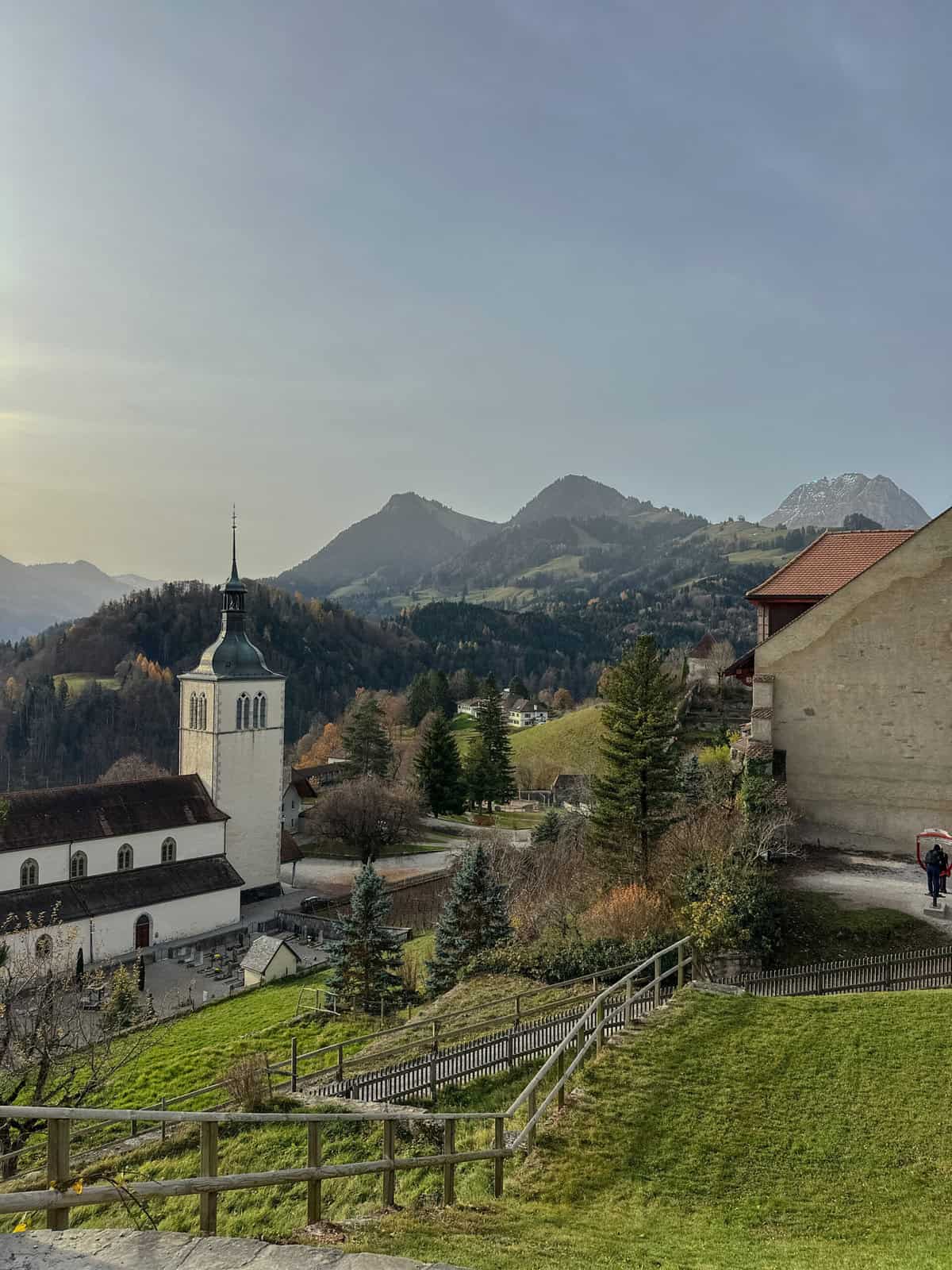
Which brings me to my biggest takeaway: Switzerland loves cheese. From the moment I arrived at the airport to a video of cows grazing on an alpine ridge—narrated by Heidi Klum, no less—I knew I was in for something special. Cheese was everywhere, from the literal fondue train rolling through Bern to the prolific raclette and fondue endcap at Aldi. Switzerland takes cheese seriously in a way that is both charming and deeply enviable.
Cheesemakers use robots to ease the physical strain of their work, co-ops support small family farms, and the culture treats cheese as heritage, economy, and identity all at once. Seeing how much infrastructure is dedicated to cheese production made me feel a pang of longing for the US, where our cheese culture is still so young and where government and societal support for artisanal cheesemaking is limited. It was a stark reminder of how far behind we are, and how much hard work and dedication goes into keeping small-scale cheesemaking alive at home.
I left Bern feeling grateful for the global cheese community, in awe of the passion, skill, and stubborn optimism that exists in this industry. And most of all, I felt admiration for a country that truly puts its money where its mouth is when it comes to supporting cheesemakers.


Josie Krogh
Josie Krogh is culture's Digital Strategy Lead. She earned her master's degree in Agricultural and Applied Economics from The University of Georgia. Josie developed a love of food while working at farmstands in the D.C. area as a young adult, and discovered her love of cheese while living and working on a dairy farm on Martha's Vineyard. Josie currently lives in Catskill, NY.