
Flavor is a journey … and a spectrum. And pretty unique to each individual cheese in Vermont Creamery’s catalog.
While Vermont Creamery’s collection of cow’s milk, goat’s milk, and mixed cow and goats’ milk cheeses may start out clean and lactic like fresh chèvre, they can eventually acquire all kinds of wild and funky flavors and aromas. That’s thanks to the aging process, Geotrichum candidum, and a talented group of cheese pros. (Cue the mad scientist voice: “Your cheese is alive!”)
Scroll for important notes and timelines that will help you break down the science and flavor of aging cheese to anyone who asks—pun intended.
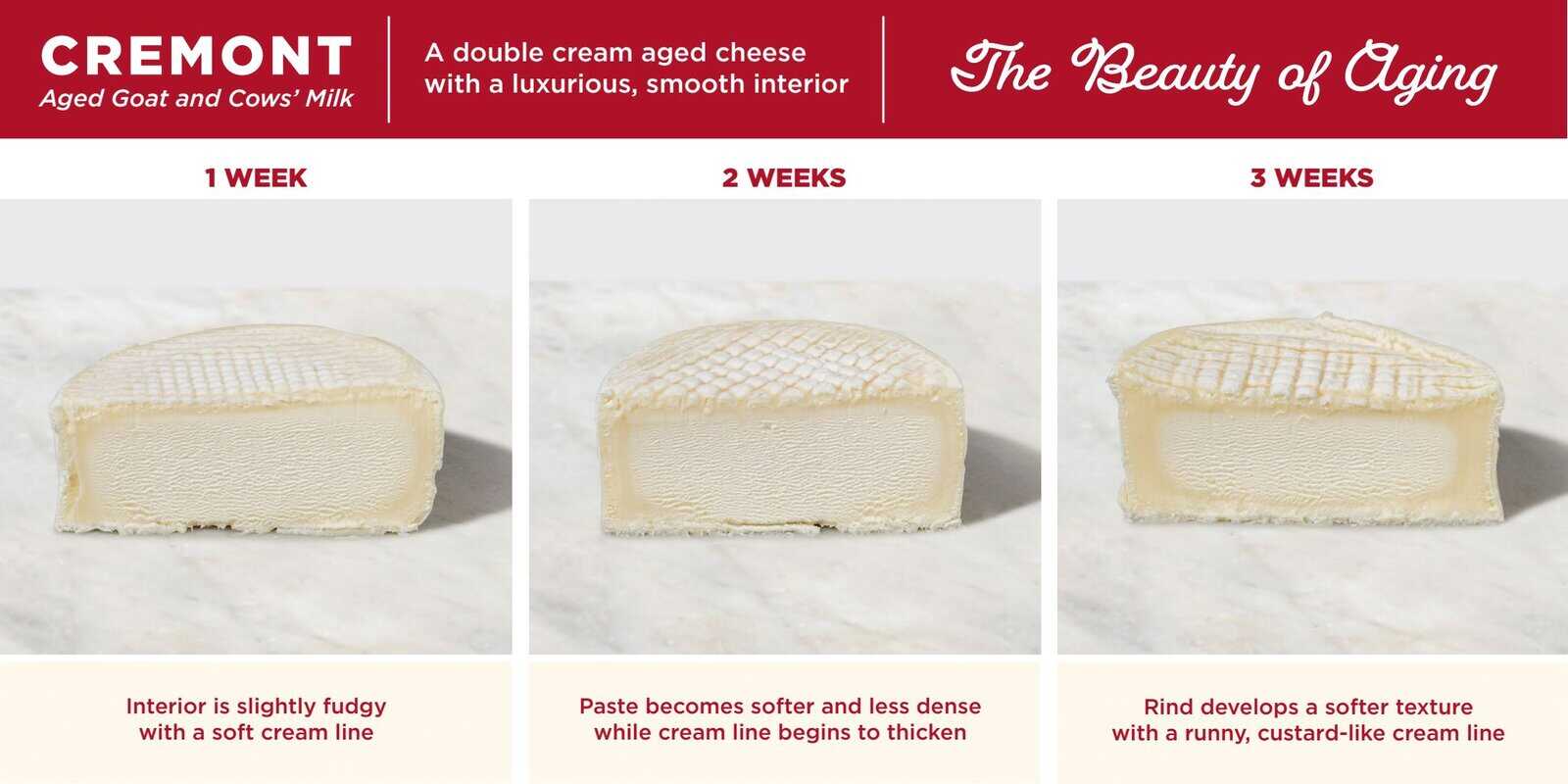
Cremont
Cremont is like being in the fields of Vermont on a sunny spring day: sometimes grassy, naturally sweet with mild acidity, and buttery like sweet cream. Its mouthfeel is smooth and silky. Categorized as a double cream, its higher fat content and mixed-milk blend mingle with a special ripening flora to create its luxurious feel.
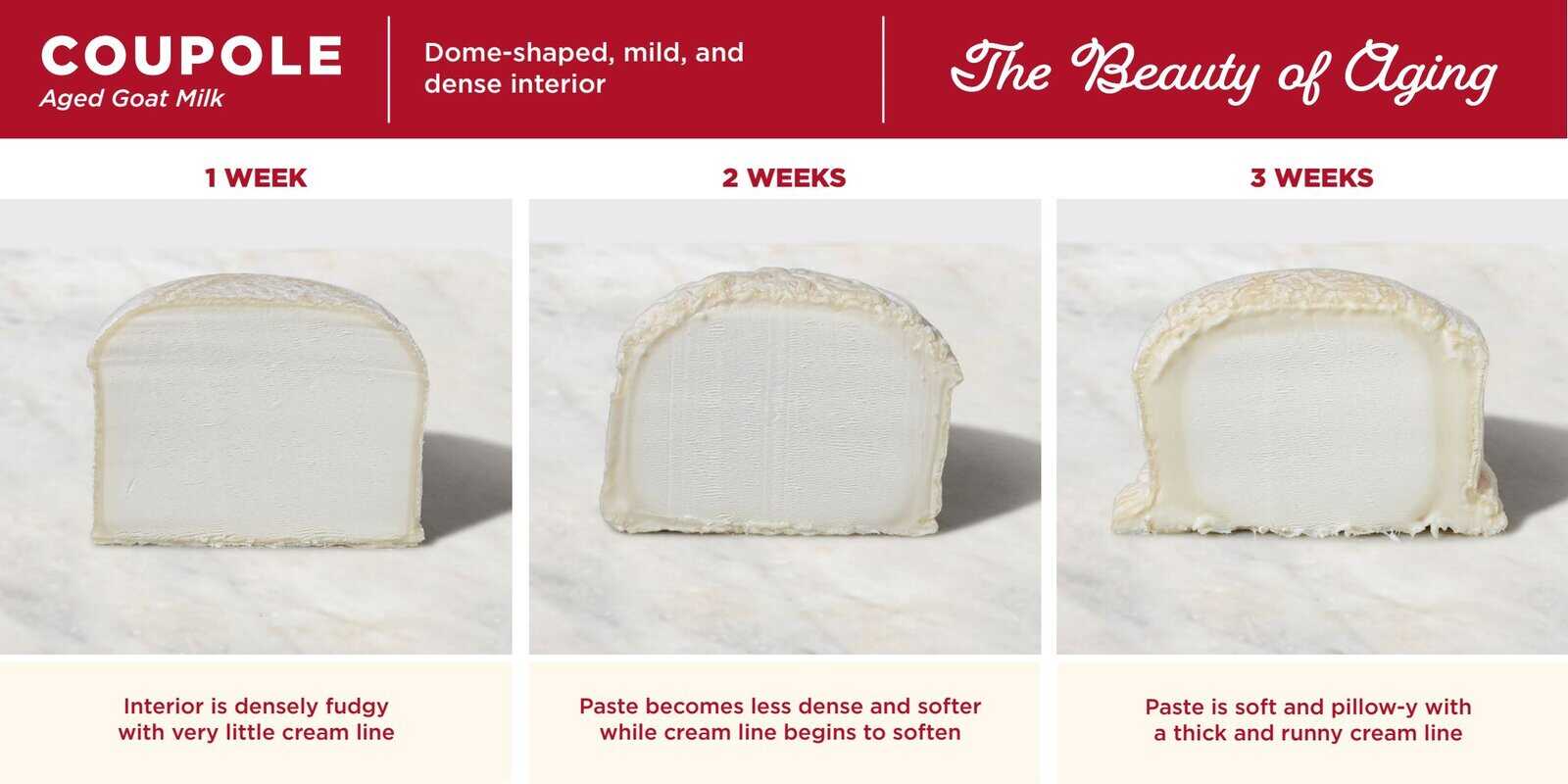
Coupole
Coupole is tart and bright: think grass, yogurt, and fresh goat’s milk with citrus and a pinch of yeast. Any nutty notes this cheese may have can intensify with age, eventually developing into a bold umami. A cousin of Bijou, its dome shape affects how it ripens. With less surface area but more internal volume than Bijou, it develops a distinct nuance as it ages.

Bijou
Bijou is sweet and yeasty with a delicate tang at first, but becomes more earthy and hay-like over time with a buttery mouthfeel depending on the cream line. Although Bijou shares the same base as Coupole, its larger surface area encourages more microbial growth, resulting in different flavors.

Bonne Bouche
Bonne Bouche is one “good mouthful,” according to its French name. This cheese can be a bit of a wildcard, offering many notes: salt, acidity, even leather. In its early stages, it’s mild, but as it ripens it becomes more intense with a runny texture—we’re talking a tidal wave of ooze in older wheels. It’s part of the Bijou and Coupole family but is distinguished by external salting and a light ash coating, which accelerates ripening.
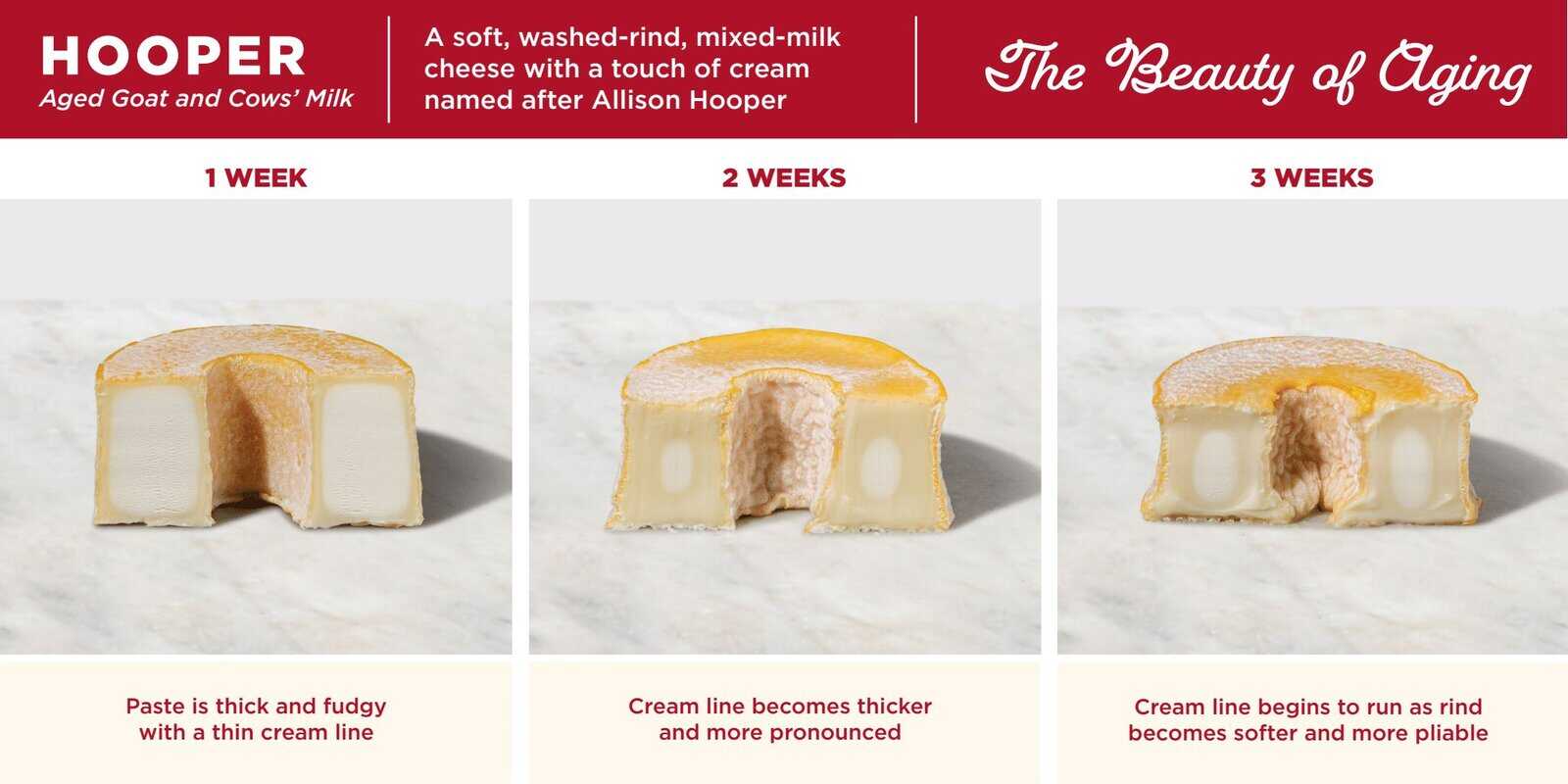
Hooper
Hooper gets its distinctive orange color from Brevibacterium and a hint of annatto. It’s also the new kid on the block, first introduced in 2024 to celebrate the creamery’s 40th anniversary. Vermont Creamery’s sole washed-rind cheese is bathed in sel gris (gray salt) from the shores of Brittany. This lends Hooper a distinctive salinity. Overall, Hooper is funky and approachable; at its peak, expect a deep buttery creaminess and savory umami, along with a fruity tang. Its doughnut shape increases the cheese’s surface area which—coupled with its salt-to-moisture ratio—attracts flavor-producing bacteria to colonize the rind.
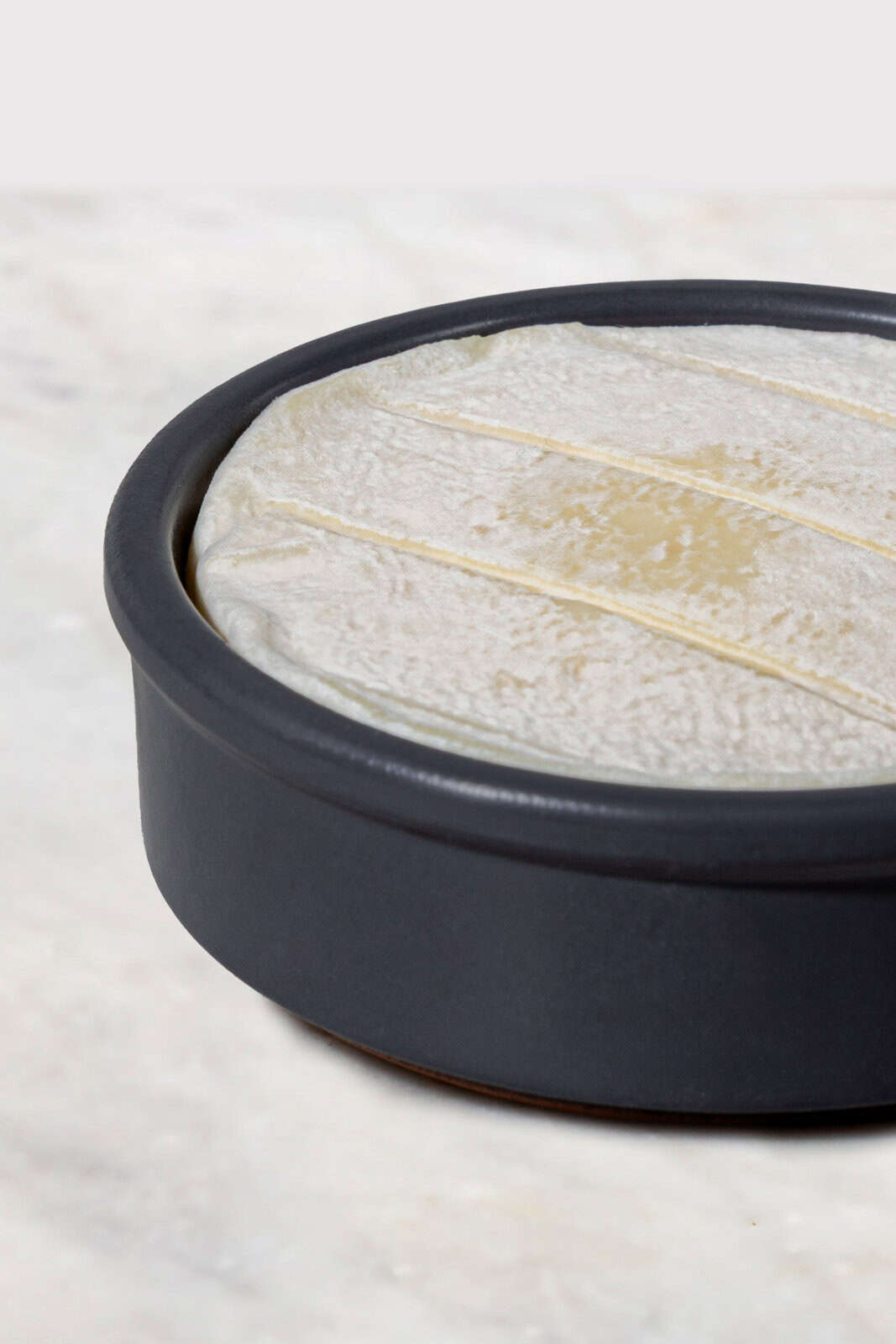
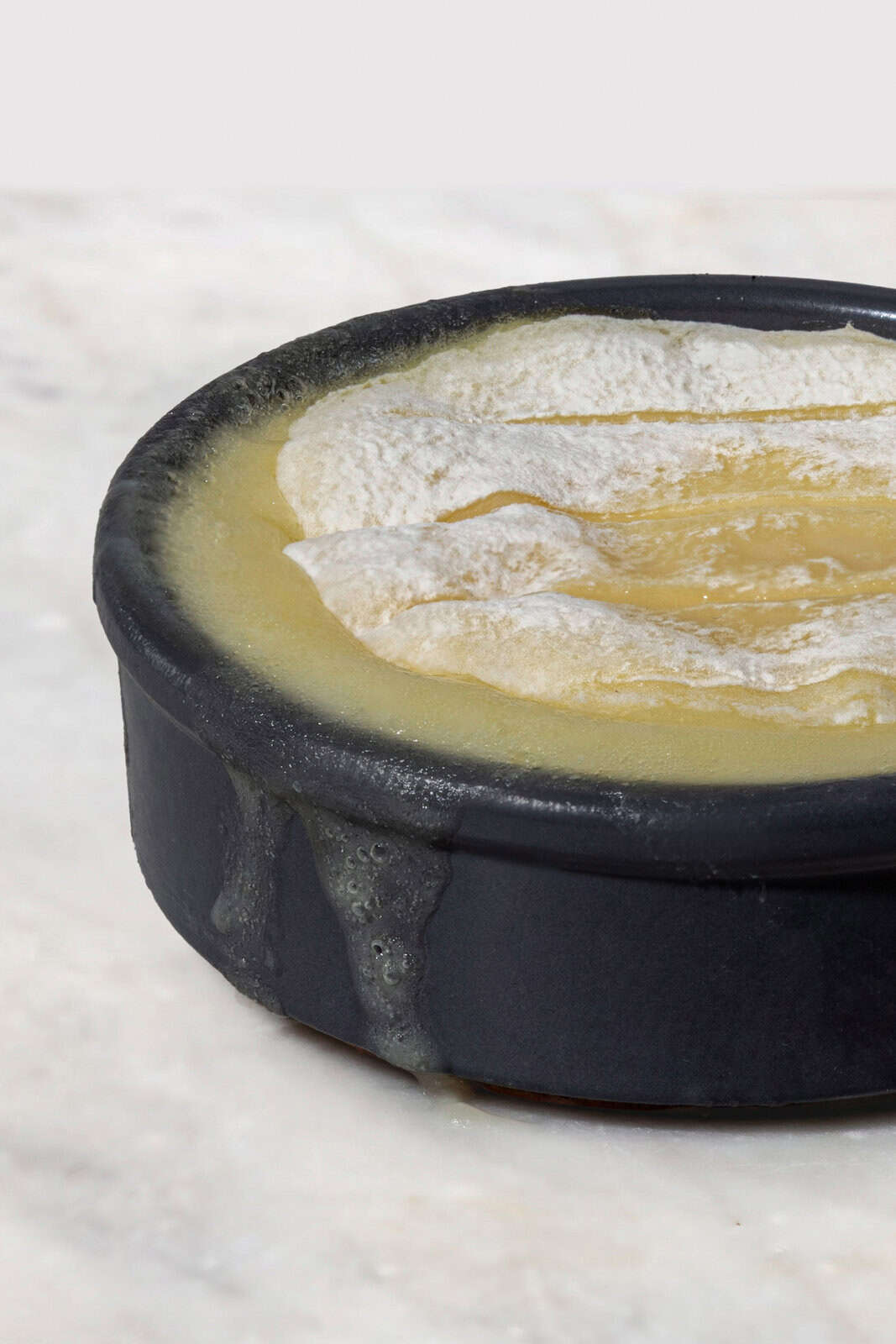
St. Albans
At room temperature, St. Albans—the only cheese of the Vermont Creamery aged lineup packaged in a ceramic crock—is a light, delicious spread for bread. When warmed up, it becomes fondue-like with amplified creaminess. This cheese has fruity notes that evolve into savory artichokes as it mellows.

culture: the word on cheese
Culture is America's first and best magazine devoted to the love of cheese. Explore our website for stunning photos, cheesemaker profiles, recipes, wine, beer, and a community of readers always willing to help and chat.

Vermont Creamery
Consciously crafted in Vermont’s green mountains, Vermont Creamery’s line of fresh and aged goat cheeses, cultured butter, and crème fraîche have hundreds of national and international awards. In their 34th year of business, Vermont Creamery supports a network of more than 17 family farms, promoting sustainable agriculture in the region. B Corp Certified in 2014, Vermont Creamery has been ranked one of “The Best Places to Work in Vermont,” by Vermont Business Magazine. Vermont Creamery is an independently operated subsidiary of Minnesota-based Land ‘O Lakes, Inc., one of America’s premier agribusiness and food companies. For more information, visit vermontcreamery.com.