
We are living in that tech-fueled world and we know the names of those industry makers by heart. But running quietly alongside the tech boom, another revolution has been unfolding; one that receives far less attention but has transformed the way Americans eat—the specialty food industry. In 2008, specialty food sales totaled roughly $47 billion between retail, food service, and B2B. By 2023, that figure had climbed to $206 billion, with growth expected to surpass $230 billion by 2025. Even more remarkable, the industry grew during the 2009 recession and again during the COVID upheaval in 2020 and 2021. And embedded within that extraordinary growth is a single category that deserves closer attention: goat cheese.
If you are old enough, cast your mind back to 1980. Think about what you ate, what was available, and what lined grocery store shelves. At that time, goat cheese simply did not exist in the States—at least not in any meaningful way. Domestic production was effectively zero. But fast forward to today and American-made chèvre is measured in millions of pounds annually.
We all know the power of a good origin story. A brilliant idea is scribbled onto a cocktail napkin by a young person eager to put their genius to the test. An angel investor steps in to keep the lights on until someone figures out how to run a company. Venture capital flows. Years of losses, multiple pivots, and failed experiments follow. And then, improbably, a world-changing enterprise emerges—its IPO the stuff of legend.
With that kind of growth, one might assume there were household names attached. Visionary founders lionized like the tech titans we all know with unicorn-scale exits, pitch decks, and power suits. But that assumption would be wrong.
Cheese Has Different Origin Stories
In Northern California in 1980, Laura Chenel made her first substantial sale of goat cheese to Alice Waters—the rising star of New American cuisine—for a salad at Waters’ now-legendary restaurant Chez Panisse. That moment marked the quiet beginning of an industry that would eventually reshape American cheese.
Chenel apprenticed at several goat cheese operations in France, learning traditional methods and refining her craft, and eventually perfecting the chèvre logs she had first learned to make there. Like any entrepreneur, Chenel experienced wins and failures along the way. But she was trying to sell a product that most Americans didn’t yet understand, and goat cheese was a hard sell. For Chenel, perfecting her cheese wasn’t just a business strategy; it was her calling. In time, she sold her herd to focus entirely on cheesemaking.
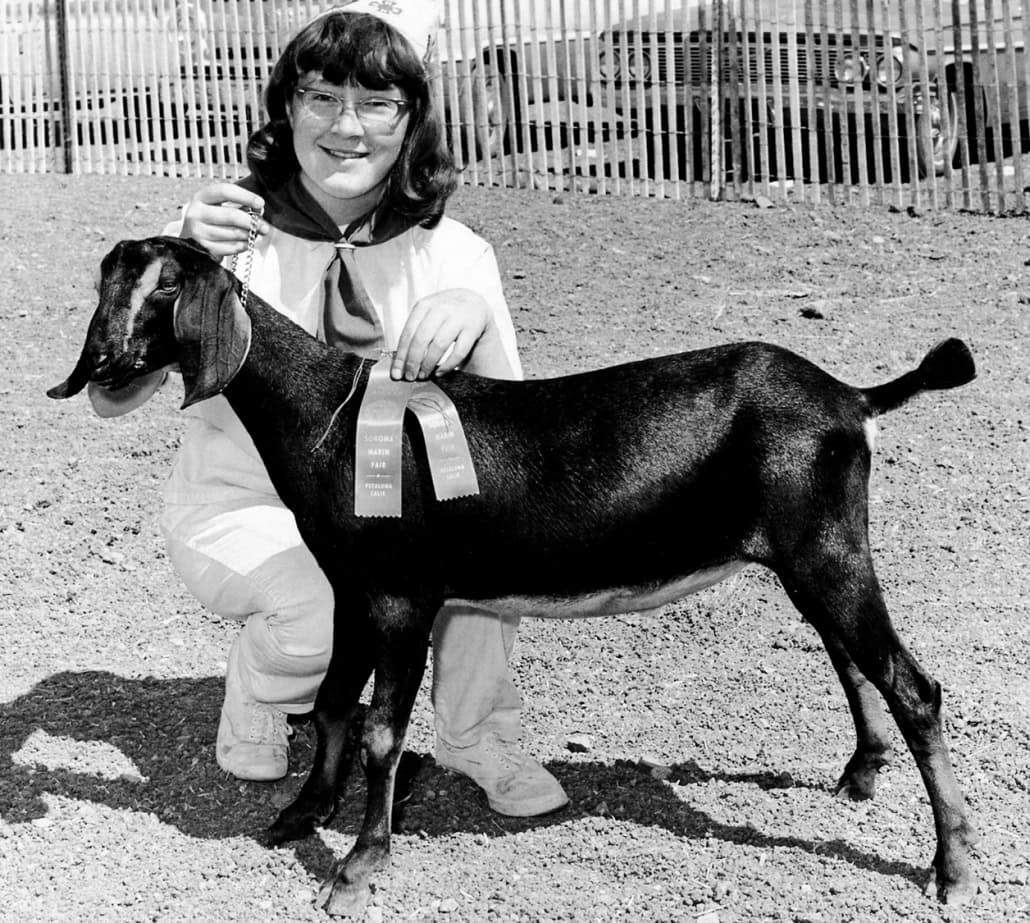
4-H teen Jennifer Bice receives a champion award for her Nubian kid.
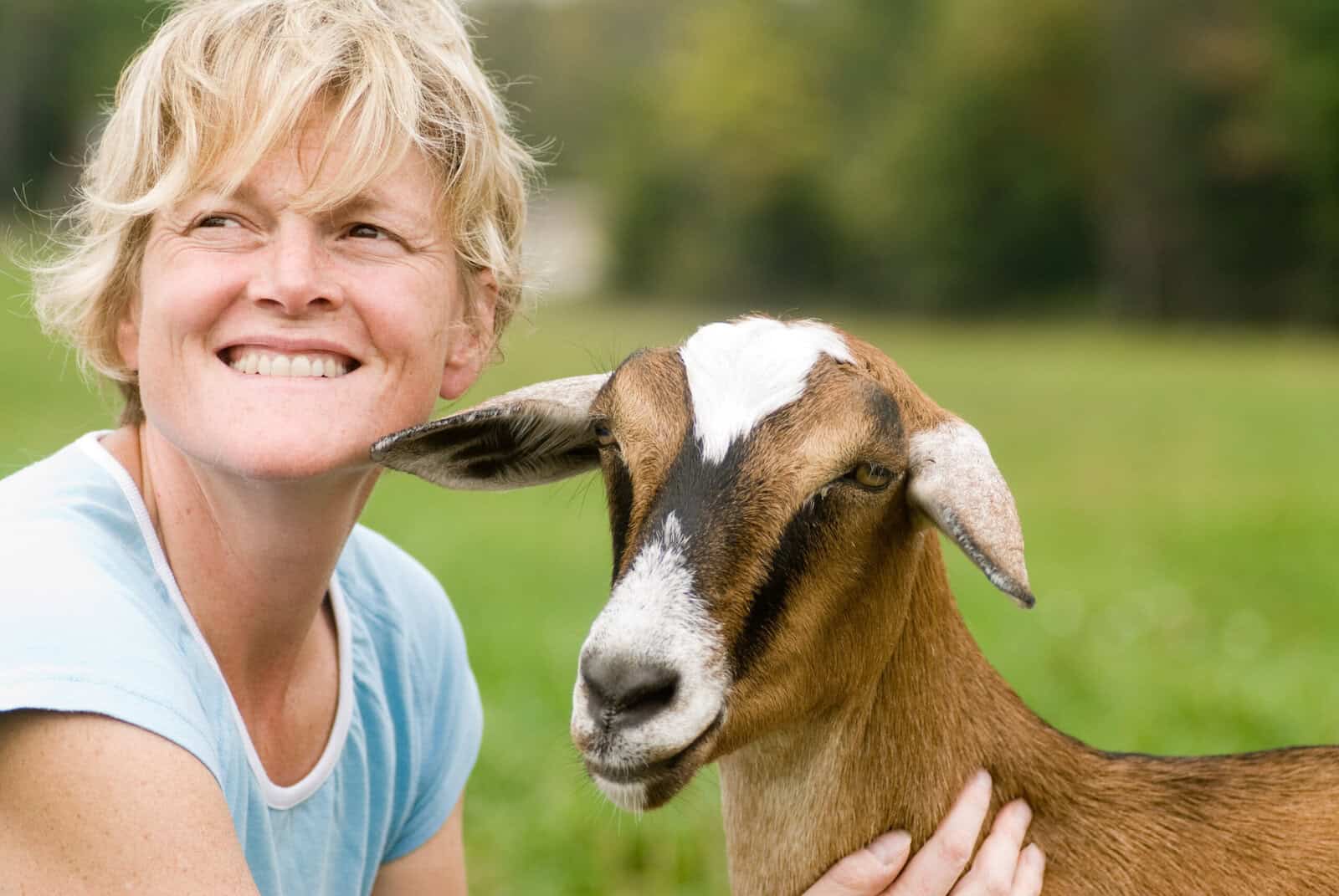
Not far away in Sonoma County, Jennifer Bice was growing up on a farm her parents had purchased, where the entire family participated in 4-H, a national youth development program. “We all were kids raising 4-H projects. We were showing our goats at the fair,” she remembers. “My parents weren’t hippies, but they had this book called 40 Acres and No Mule by Janice Holt Giles, and it was about how to move to the country and build a milk stanchion and plant your orchard. It was the time of the ‘back to the land’ movement.”
As happens with goats, they multiplied. At the same time, the earliest version of the specialty food movement was beginning to take shape. Goat milk, kefir, and alternative dairy products started to attract attention. Bice’s parents began to receive calls from local health food stores asking if they had any goat products available. Proximity to San Francisco and multiple Sonoma communities—along with exposure to the early currents of food innovation—helped fuel demand, and Redwood Hill Farm was born. Neither Bice nor Chenel could have known then that they were part of something much, much larger.
“I just have to laugh every time I think of it because we used to say, ‘OK, we’ll bring [our products] next Tuesday,’” Bice says. “Fast forward to 2016 when I retired, and in order to get a new item into a natural food store, it was 60 pages of paperwork, authorization, certification …”
In the late 1970s, two industries were quietly taking shape in tandem in the US: personal computers and artisan food. It was a remarkably fertile moment of creative expression—one that would permanently alter how Americans work and eat. Both movements created space for experimentation, and both opened doors that had previously been closed.
Some argue that early curiosity around goat cheese made it possible for other cheesemakers to begin innovating as well. Goat cheese cracked the door open and the rest followed.
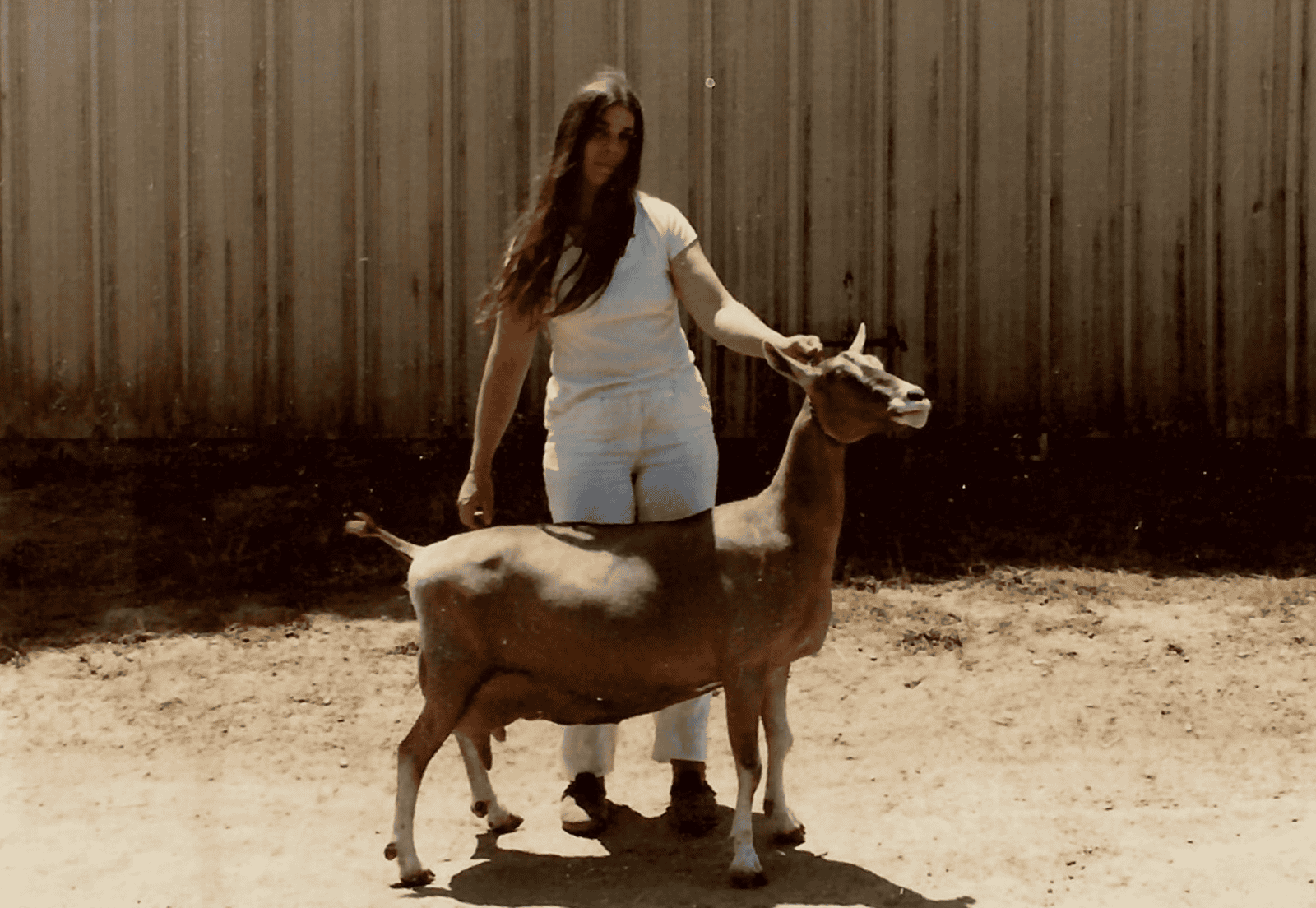
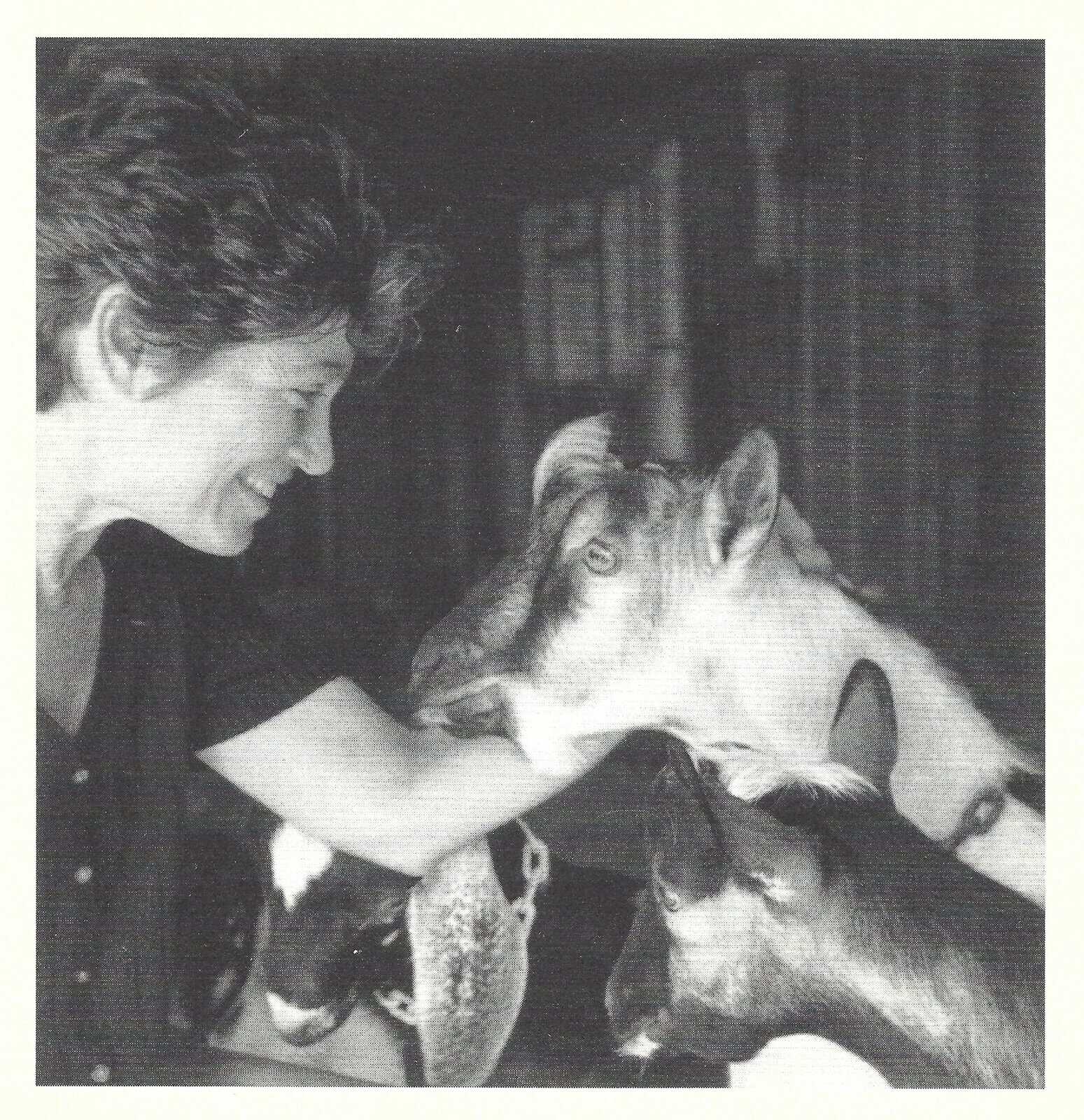
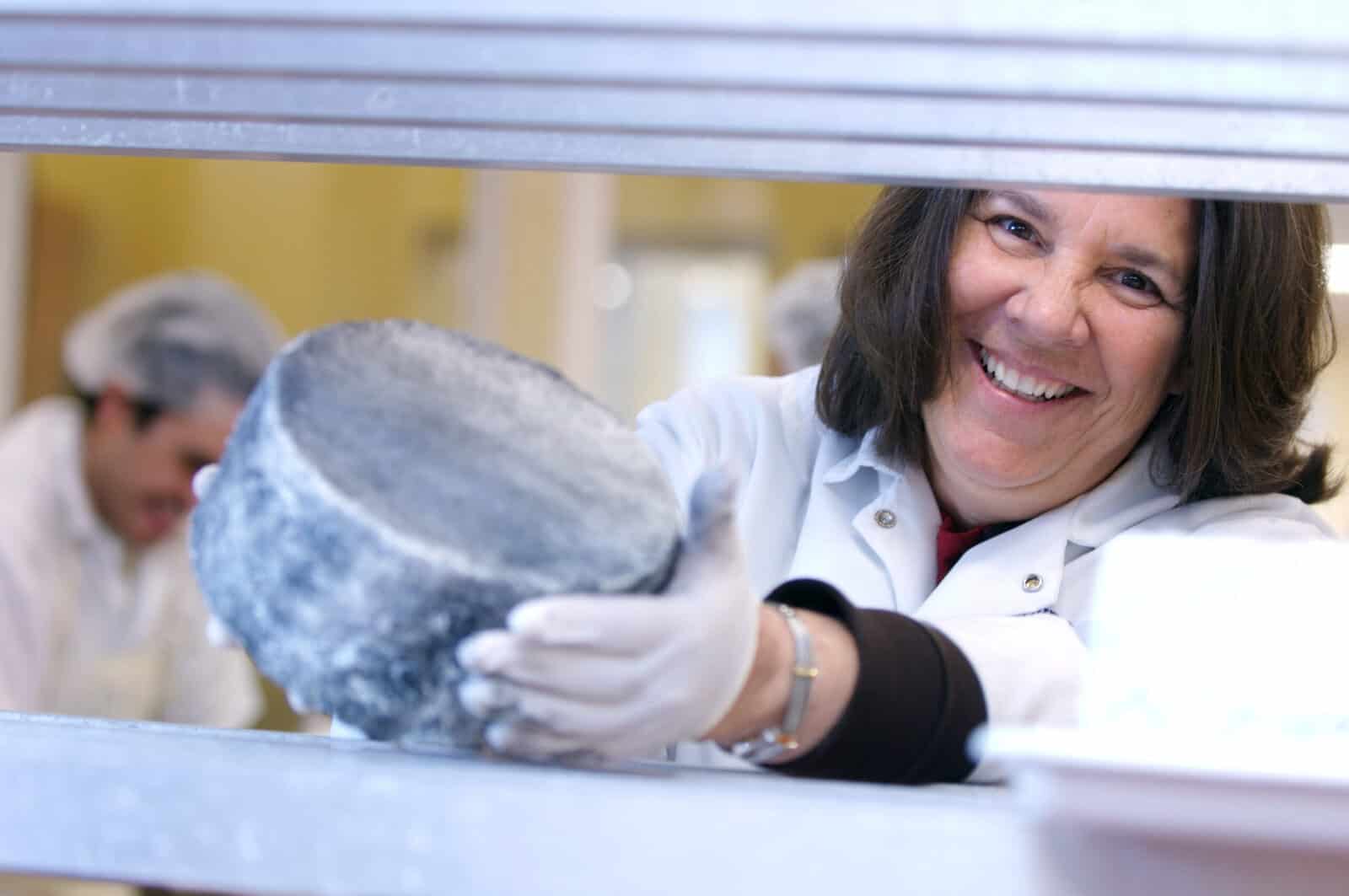
Farther up California’s coast, Mary Keehn was raising goats for family milk, driven by a homesteader’s desire for self-sufficiency. “In [the early ’70s], I really wanted to be as self-sufficient as possible, so that meant making soap and making cheese and having the goats and all of that,” she says. “Then we moved to town. A friend had a restaurant and another friend had a bagel shop, and we all decided we would work together, and I would make the cheese. I had to become a legal cheesemaker—there wasn’t any of the infrastructure that there is now.”
Keehn experimented extensively with chèvre. Some batches she didn’t like at all, but she kept going. In 1983, she launched Cypress Grove as a farmstead operation, producing cheese exclusively from the milk of the goats raised on her farm. Years of experimentation and persistence followed.
In 1992, Keehn’s creative instincts perfectly aligned with her surroundings. Inspired by the omnipresent fog that blankets Northern California—and by the French cow’s milk cheese Morbier, with its distinctive central ash line—she created Humboldt Fog. It would become one of the most widely distributed and recognizable American artisan cheeses in history. Real change was unmistakably underway.
Across the Country, Another Beginning
On the opposite coast, Allison Hooper was attending Connecticut College when she spent her junior year abroad in Paris. A summer and fall semester followed, and Hooper needed to find a way to support herself if she wanted to stay in France. “I wrote to the list of organic farmers in France and basically said, ‘Look, I am an American. I’ll help you with your farm or your chores in exchange for a place to live and if you’ll feed me,’” she says.
After finishing college in the States, she returned to France—this time to work with a small producer of Picodon, a PDO goat cheese that’s rarely exported. There, in a tiny village, Hooper learned the craft of cheesemaking and developed a deep appreciation for fine goat cheese in an idyllic, if not rustic, setting.
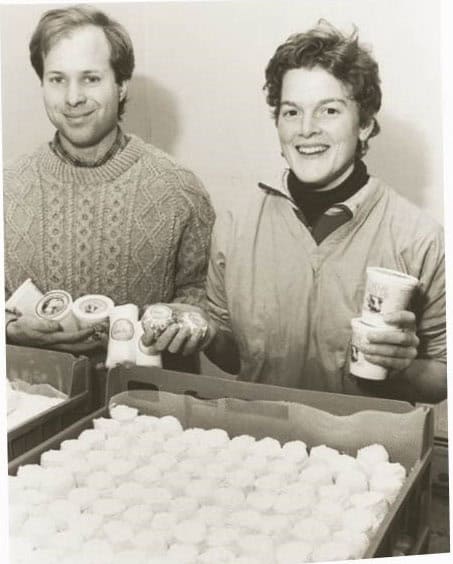
Back in the US, Hooper worked on a goat farm in New Jersey before moving to Vermont in search of a cheesemaking job. She wanted to work with goats, but there were no goat cheesemaking jobs to be found. Except one. A little goat dairy in Brookfield.
In the beginning, it was a communal effort. Like nearly everyone in the goat dairy business at the time, Hooper also held a paying job elsewhere and she milked goats when she could. During that period, she met Bob Reese, her future business partner.
Reese was the marketing director at the Vermont Agency of Agriculture and had recently earned his MBA. During a restaurateur event, he was approached by a chef who wanted a goat cheese made in Vermont for his menu. None existed. Knowing Hooper’s background—her time in France, experience milking goats, and understanding of cheesemaking—Reese asked if she could make some chèvre.
After a successful response and newfound demand for Hooper’s cheese, the duo decided to take the leap: They would try to build a goat cheese business from scratch.
Having already secured $4,000 from the United Church of Christ through a Vermont agricultural loan program, Hooper and Reese approached the bank for an additional $10,000. The banker was skeptical. The conversation sounded something like this:
“Is there a market for this?”
“Oh, no, there’s no market, but there’s going to be. People are going to love it. It’s so good.”
“What about the milk?”
“Oh, don’t worry about the milk. We’re going to get the farmers to convert to milking goats. It’s all fine.”
The rest, as they say, is history—but not the tidy, mythologized version. The real story includes years of pivots, setbacks, financial strain, moments of success (like breaking even), and the slow, hard work of turning youthful optimism into a sustainable business.
From Fringe to Foundation
In those earliest days, Chenel was making and selling 50 pounds of goat cheese at a time. Keehn was supplying a local bagel shop. Hooper was packing boxes of cheese into her car and driving them to restaurants and hotels in New York City.
Forty years later, the goat cheese industry generates billions of dollars annually. Chèvre has gone from “what is that?” to a staple—almost a commodity, even. Cypress Grove, Laura Chenel, Redwood Hill Farm, and Vermont Creamery have all since been sold to larger companies that have the distribution networks and capital required to scale.
It is the sign of a mature industry. “I worry, though, because the really small artisan cheese producers, we’ve been losing a lot of them,” Bice shares. “The whole thing of distribution in the United States and the food production system—it’s just so difficult to be small.”
The women who built the American goat cheese industry did not chase demand; they created it. They made a product no one knew they wanted and allowed the business to grow alongside their own learning curves. There were no pitch competitions, no growth hacks, no blitzscaling. None of these businesses were fueled by venture capital, either. Every piece of the industry had to be built from the ground up, right where they stood.
In an era when leaders in high-growth industries—technology, finance, investment—often seem locked in a competition to outdo one another in excess, these cheesemakers quietly modeled a different approach. They built slowly. They shared information. They prioritized craft over conquest. And in doing so, they transformed American food culture in ways that now feel inevitable, and were anything but.

Stephanie Skinner
Former publisher Stephanie Skinner founded culture along with her sister Lassa and cheese expert Kate Arding in 2008. Stephanie was intrigued when Lassa, then a cheesemonger, mentioned that there were no magazines filling the artisan cheese niche.